New Paragraph

Year 4
PE Day: Monday and Friday
Year 4 Class Blog:
WC 1st June 2026
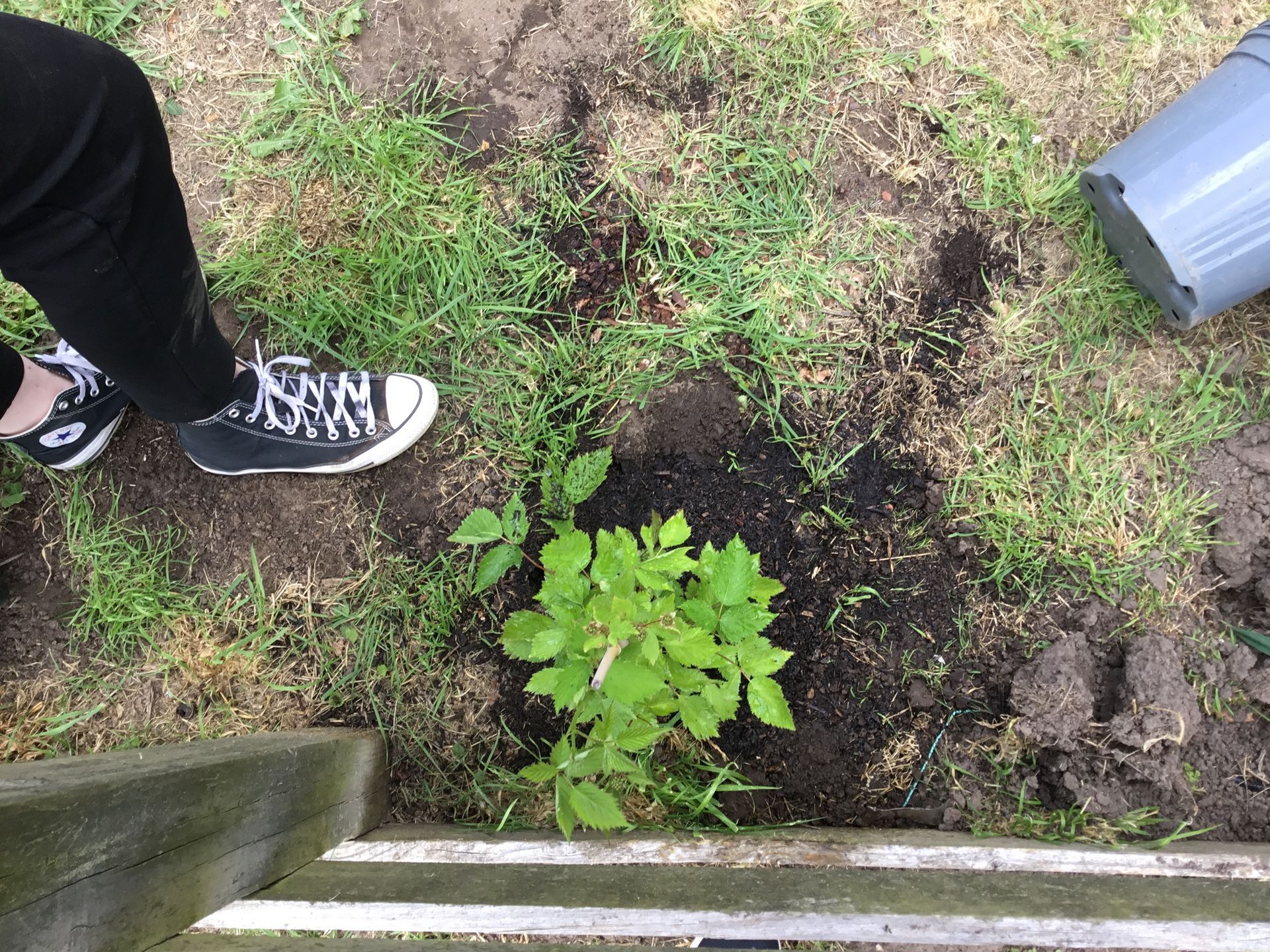
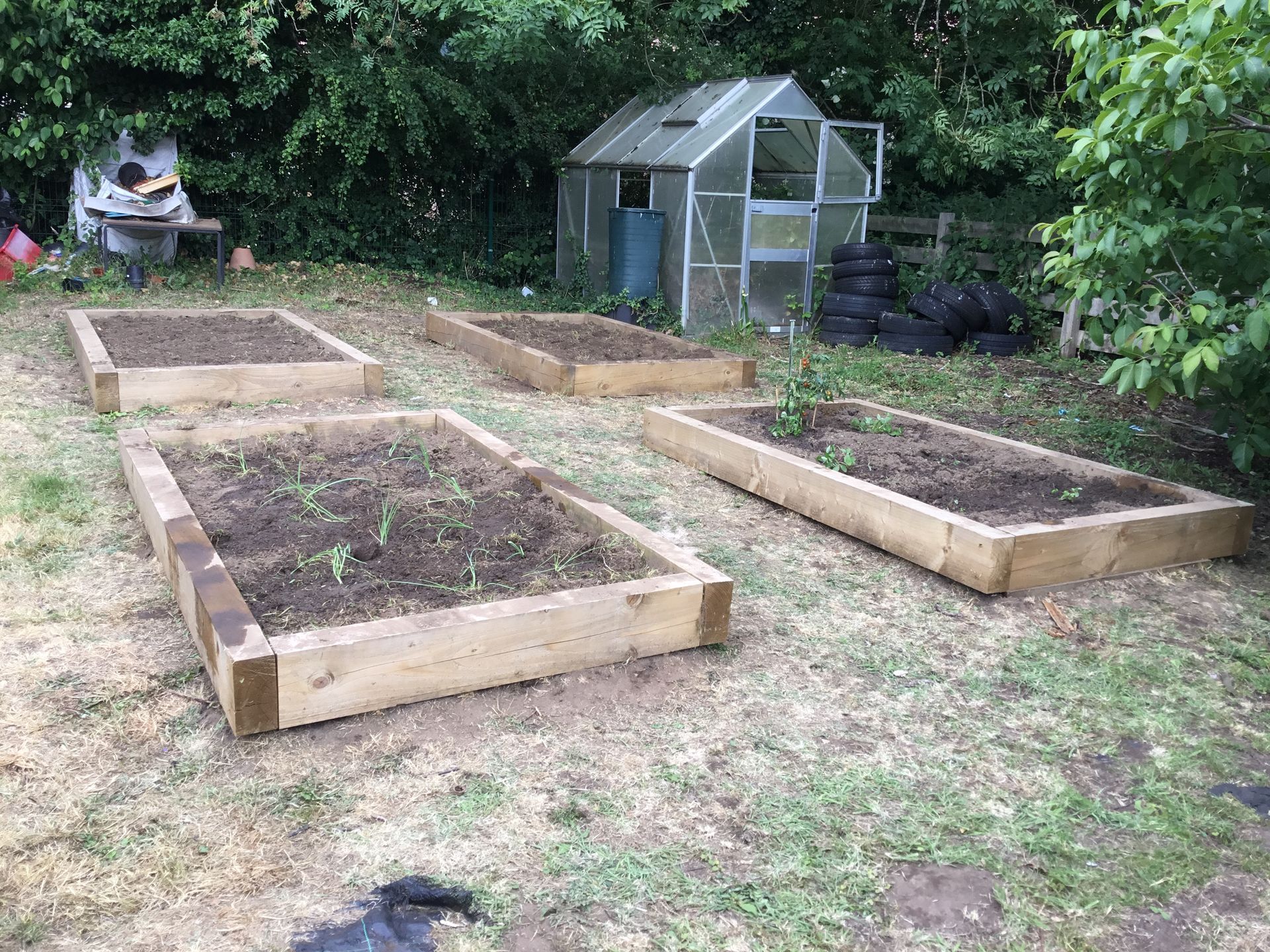
🌍 World Environment Day in Year 4
Today, Year 4 celebrated World Environment Day, and what an inspiring day it was. The children explored the importance of caring for their environment, discussing small but meaningful actions they can take every day to protect the planet.
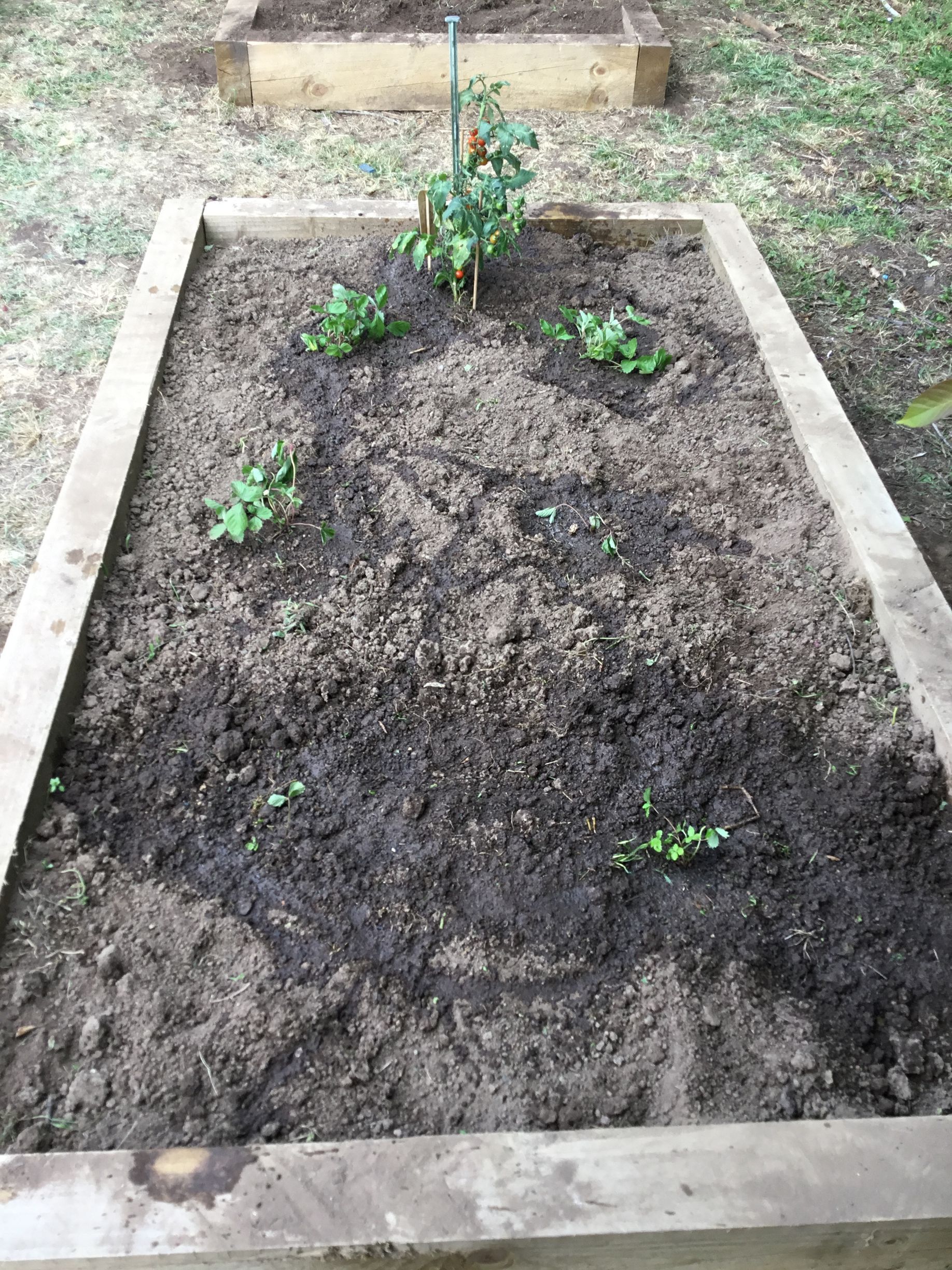
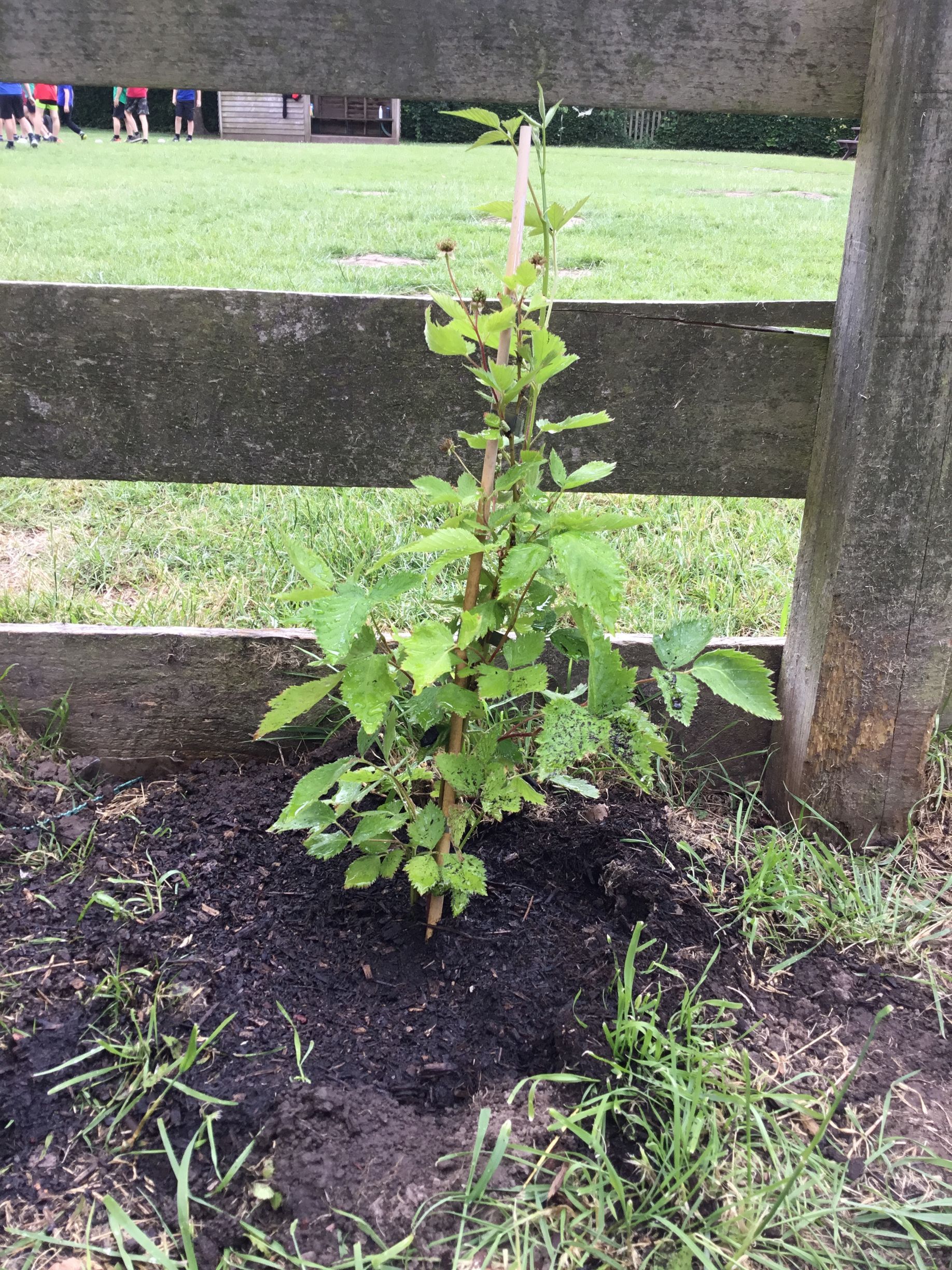
They were especially excited to get hands-on in our garden area. Working together, they planted herbs and tomatoes, learning how growing their own food supports a healthier environment. The class showed great teamwork, curiosity, and care as they prepared the soil, planted the seeds, and made sure everything was watered.
We’re all looking forward to watching their plants grow over the coming weeks. A wonderful day of learning, teamwork, and environmental stewardship.
WC 18th May 2026
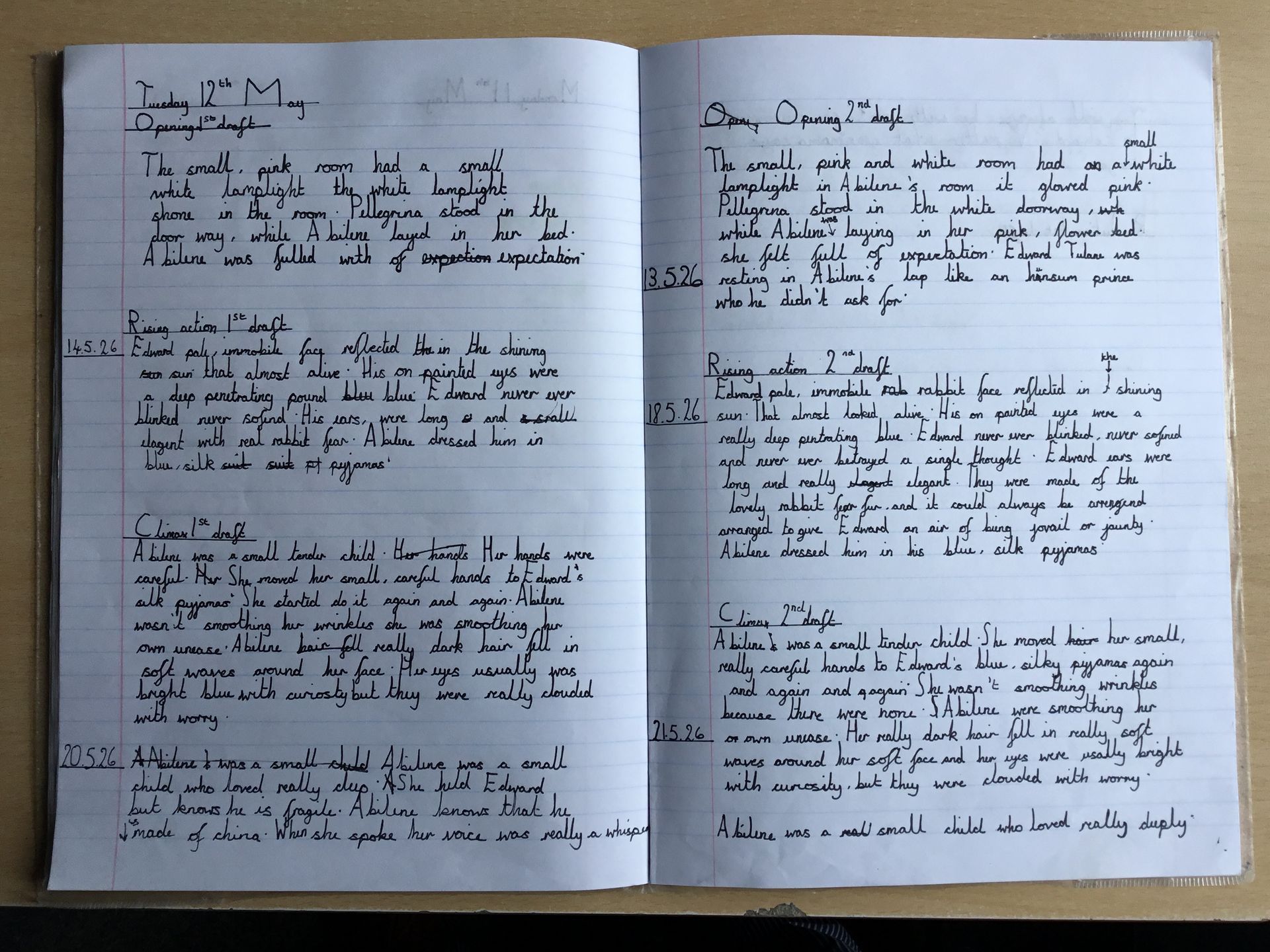
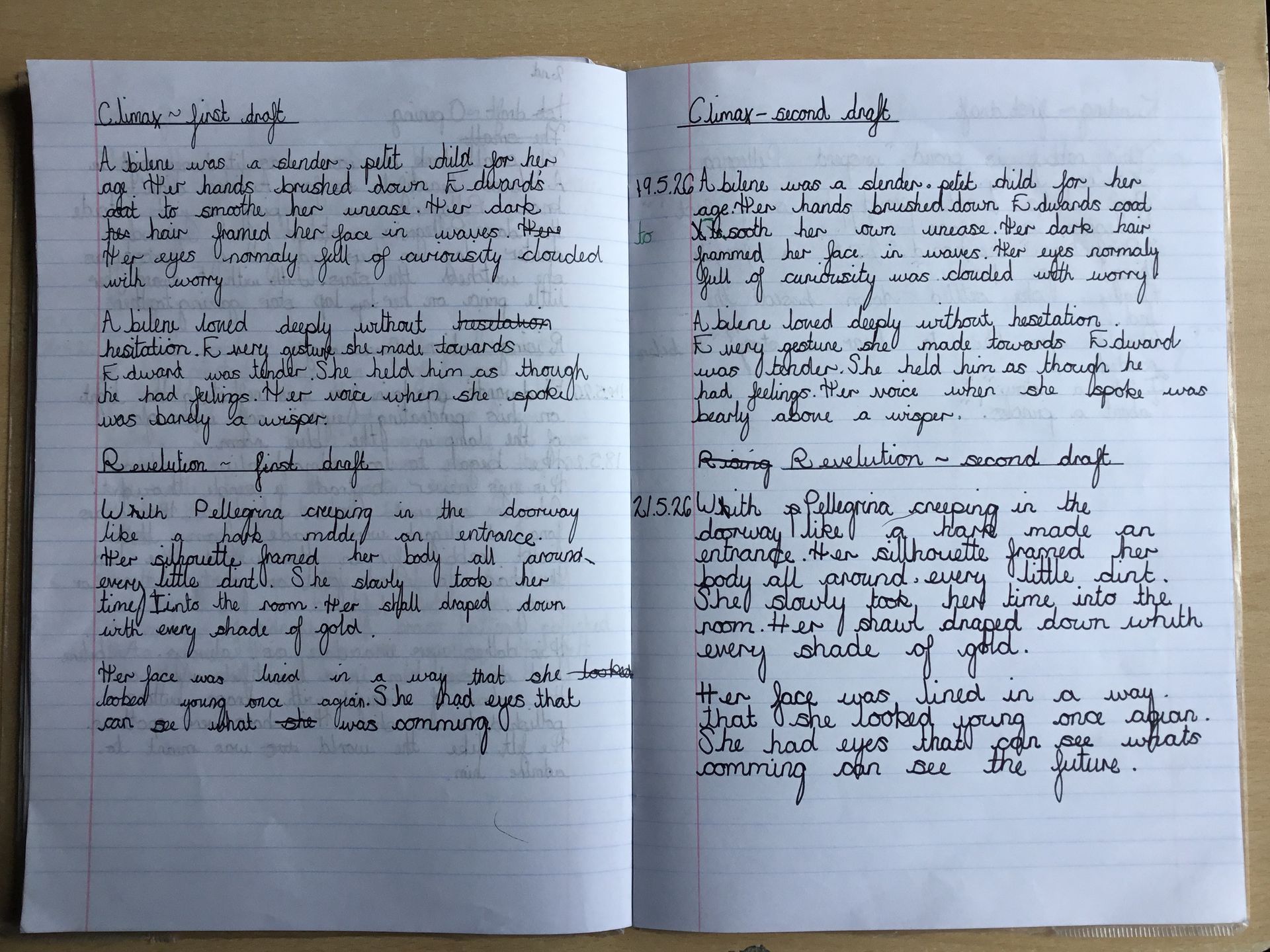
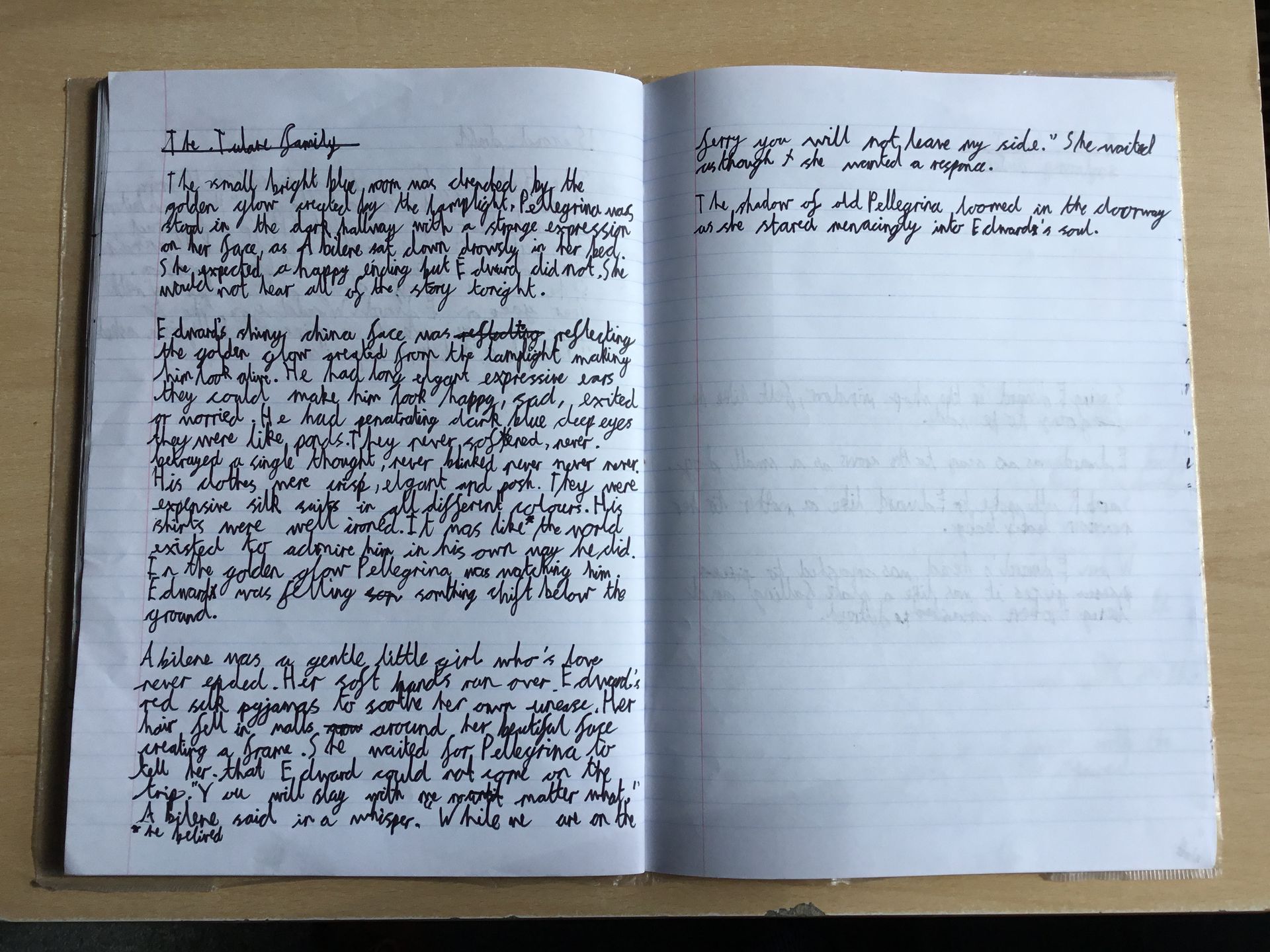
✏️ Year 4 End‑of‑Half‑Term Writing Blog
Year 4 have finished the half term with a
wonderful piece of creative writing linked to our whole‑class text, The Miraculous Journey of Edward Tulane.
For their assessment, the children wrote an extra
chapter to fit seamlessly into the story. Their chapter focused on Abilene preparing to hear Pellegrina’s tale about
the princess who was turned into a warthog, giving them the perfect
opportunity to explore character, mood, and tension.
To bring their writing to life, the
children crafted detailed character descriptions
of Abilene, Edward, and Pellegrina, thinking carefully about appearance,
personality, and the relationships between them. They drafted, redrafted,
edited, and improved their work with real determination. The effort they put
into refining vocabulary and structure was clear in every piece.
It was genuinely lovely to read their
finished chapters — full of imagination, emotion, and thoughtful
characterisation. A brilliant end to the half term.
WC 27th April 2026
🏀 Year 4 Blog: Basketball Fun on Friday Afternoon
Friday afternoon was full of energy and
excitement as Year 4 headed out for PE. We have been learning a range of basketball skills over the past few
weeks, and today we finally put them into action by playing our first proper
games. It was brilliant to see how confidently the children used their
dribbling, passing, and shooting skills in a real match situation.
What impressed me most was the excellent sportsmanship on display. Teams
encouraged one another, took turns fairly, and celebrated each other’s successes.
There was great teamwork,
thoughtful defending and attacking,
and plenty of careful listening to instructions. The children showed real
maturity and enthusiasm throughout the session.
It was a very successful lesson, and the
class should feel proud of how far they’ve come already. Over the next few
weeks, we’ll continue playing more games and learning the rules and strategies that make basketball
such a fast and exciting sport. Year 4 are well on their way to becoming
confident, skilful players.
WC 13th April 2026
🏛️ Our Ancient Rome Writing Celebration
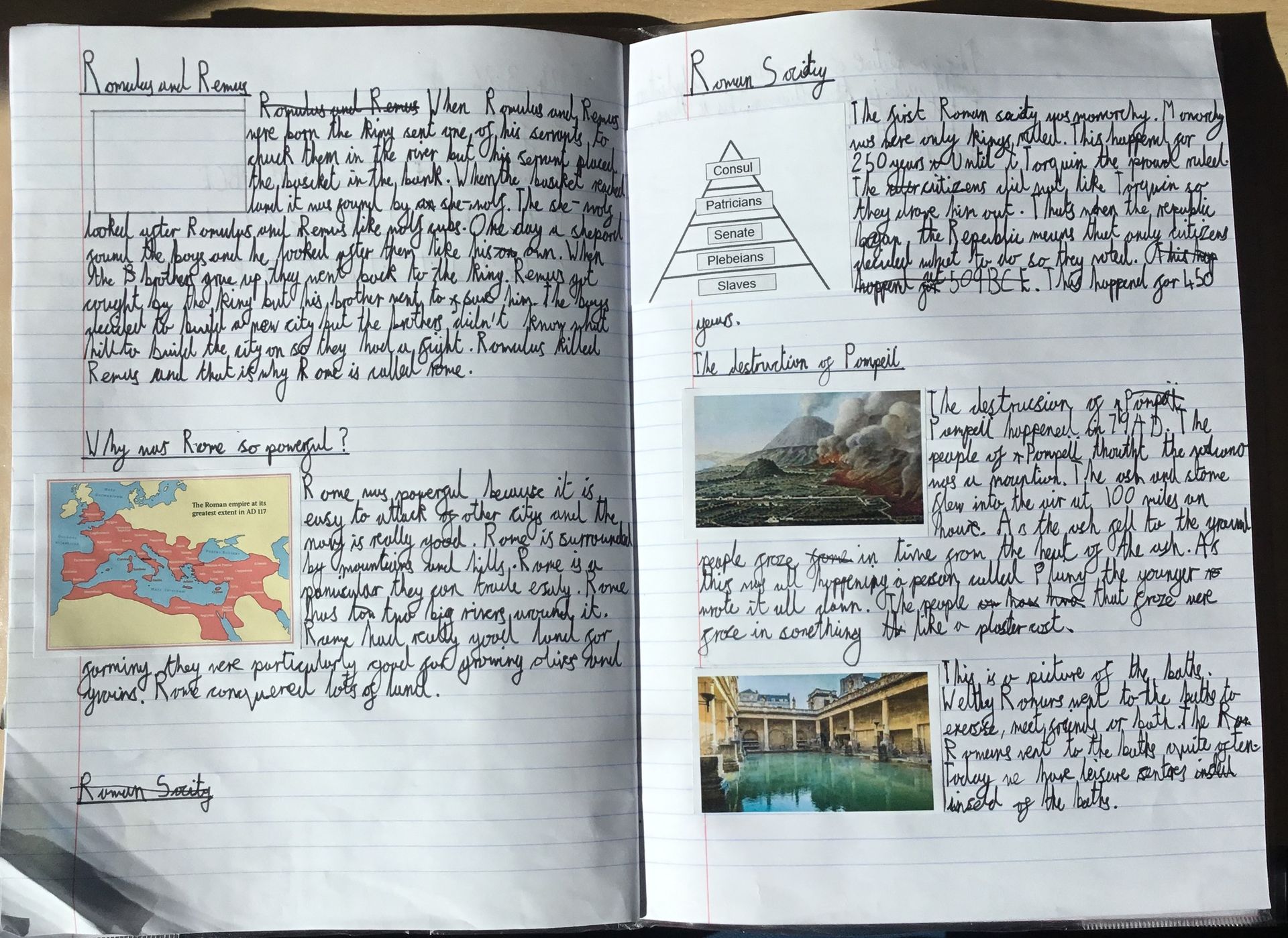
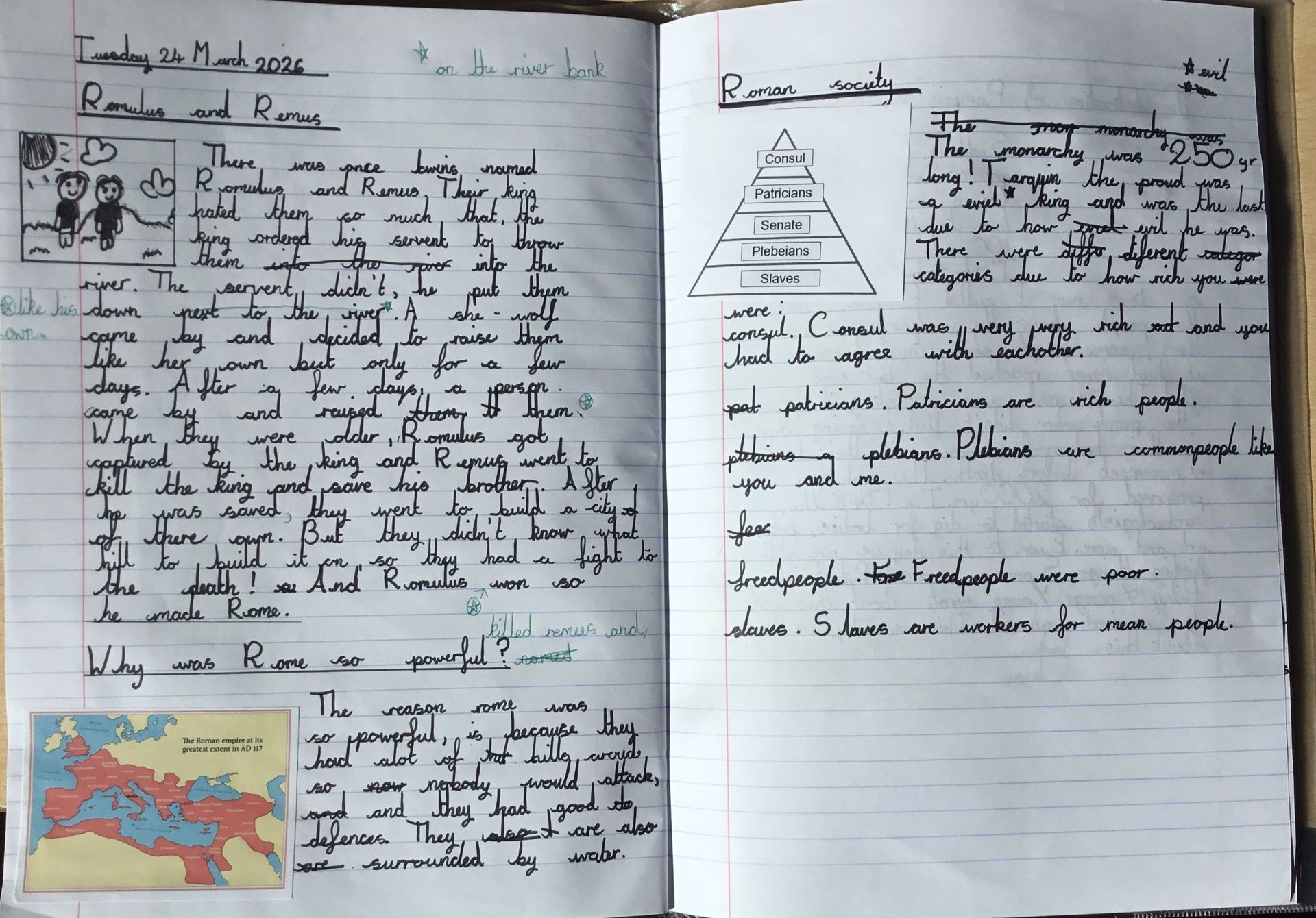
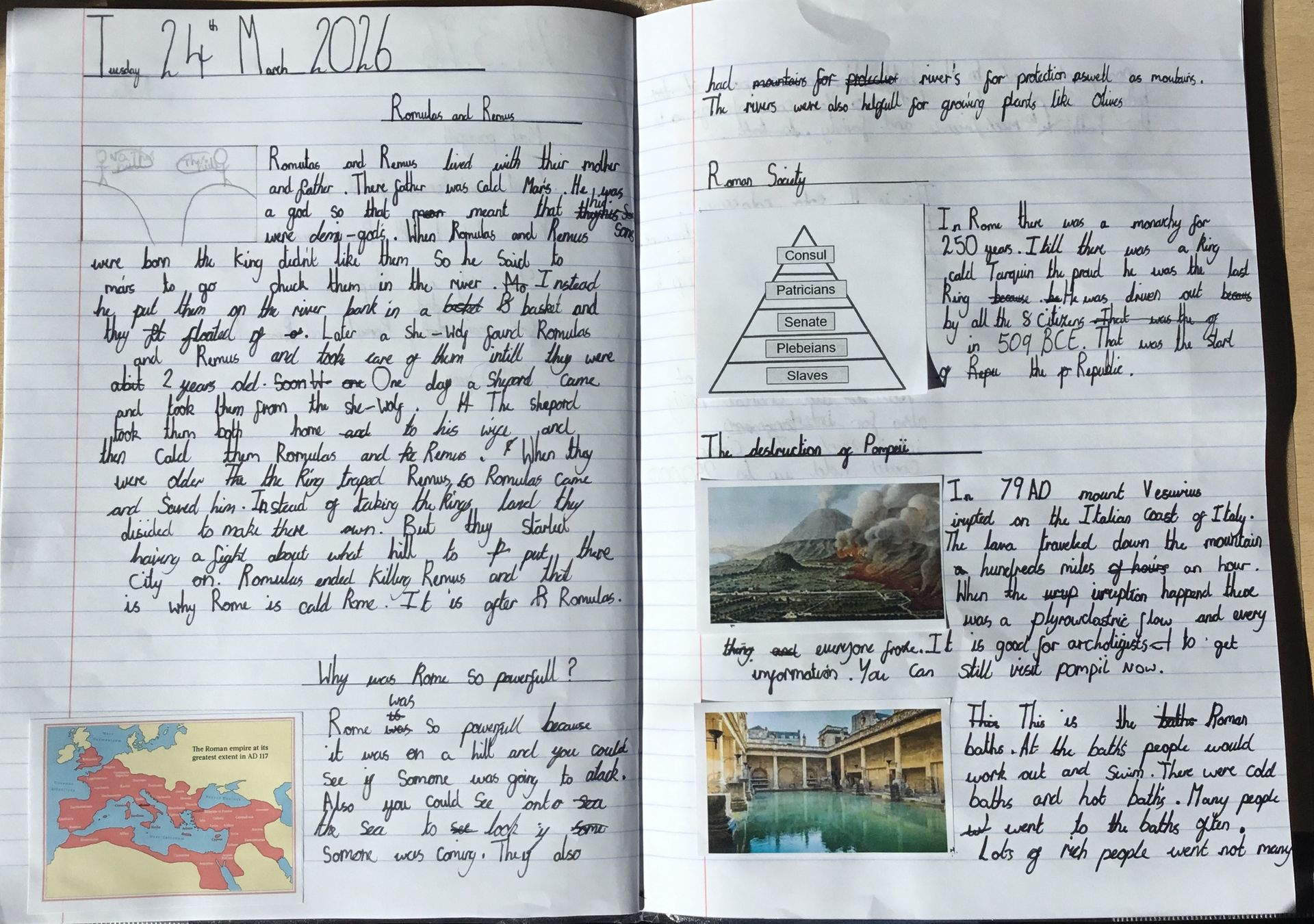
This week in Year 4 has been an exciting one, as we completed our writing assessment on life in Ancient Rome. The children worked incredibly hard to produce their own non‑chronological reports, and the results were truly impressive. What began as a simple double‑page spread quickly grew into something much bigger for many of our writers — their enthusiasm couldn’t be contained on just two pages.
Some wrote about gladiators and the fierce battles that took place in the Colosseum. Others focused on chariot racing, describing the speed, danger, and excitement of the Circus Maximus. What stood out most was the pride they took in their work. They carefully edited their sentences, added technical vocabulary, and used illustrations to make their reports look professional. It was clear how much knowledge they had gathered throughout our topic — and how much they enjoyed showing it off.
WC 23rd March 2026
🌟 What you’ve taken on this week
- Learning a brand‑new song for the Easter coffee morning — and doing it with enthusiasm.
- Practising for the Easter service, showing focus and care even when you’re tired.
- Pride of Elm Day, a fabulous end to an exhausting term.
- Continuing your classroom learning, from crafting imaginative stories about Odysseus’ adventures to beginning history reports.
That’s a huge amount of creativity, discipline, and resilience in just a few days. It shows how capable you are when you commit yourselves and support one another.
🌱 Why this matters
You’re proving that success isn’t just about one big moment on stage — it’s about showing up again the next day, ready to learn, ready to try, and ready to grow. That’s what makes a strong class and a strong community.
WC 16th March 2026
The children should feel incredibly proud of what they achieved this week with their show. Each person brought energy, focus, and heart to the performance. Whether they had speaking parts, or were singing in the chorus, they helped create something truly memorable.
Many of the teaching staff who had taught the children in previous years commented on the confidence and growth they noticed by all the children on and off the stage.
Congratulations to all the children for all their hard work.
WC 9th March 2026
What an exciting week it’s been in Year 4! The children have been working incredibly hard rehearsing for their upcoming play, Hoodwinked. Their enthusiasm and teamwork have been fantastic to see, and the production is really starting to take shape. Lines are being learned, songs are coming together, and the momentum is building! We can’t wait to share all their hard work with you soon.
WC 2nd March 2026
🎨 Year 4 Art Blog – Expressionism Comes to Life!
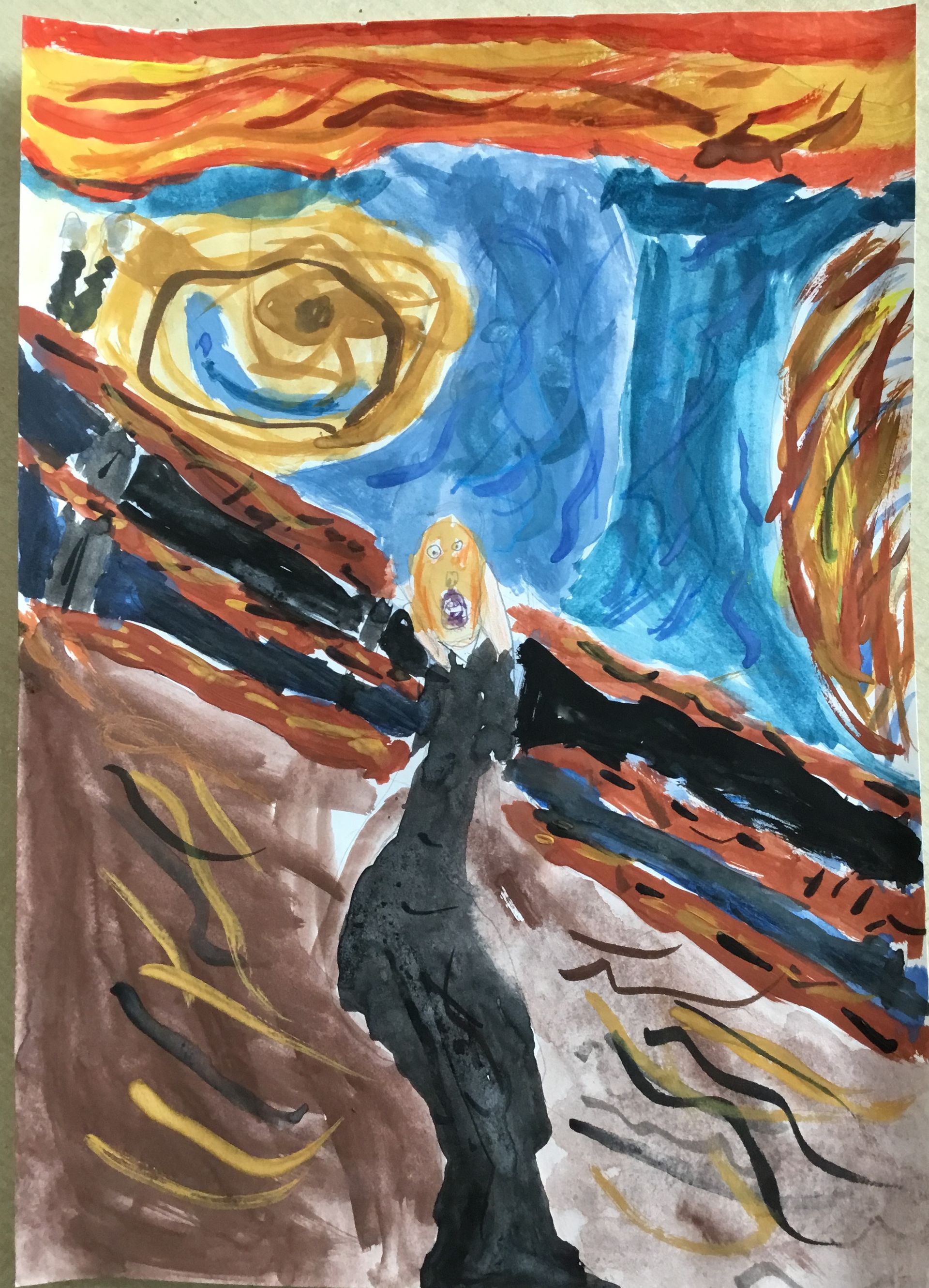
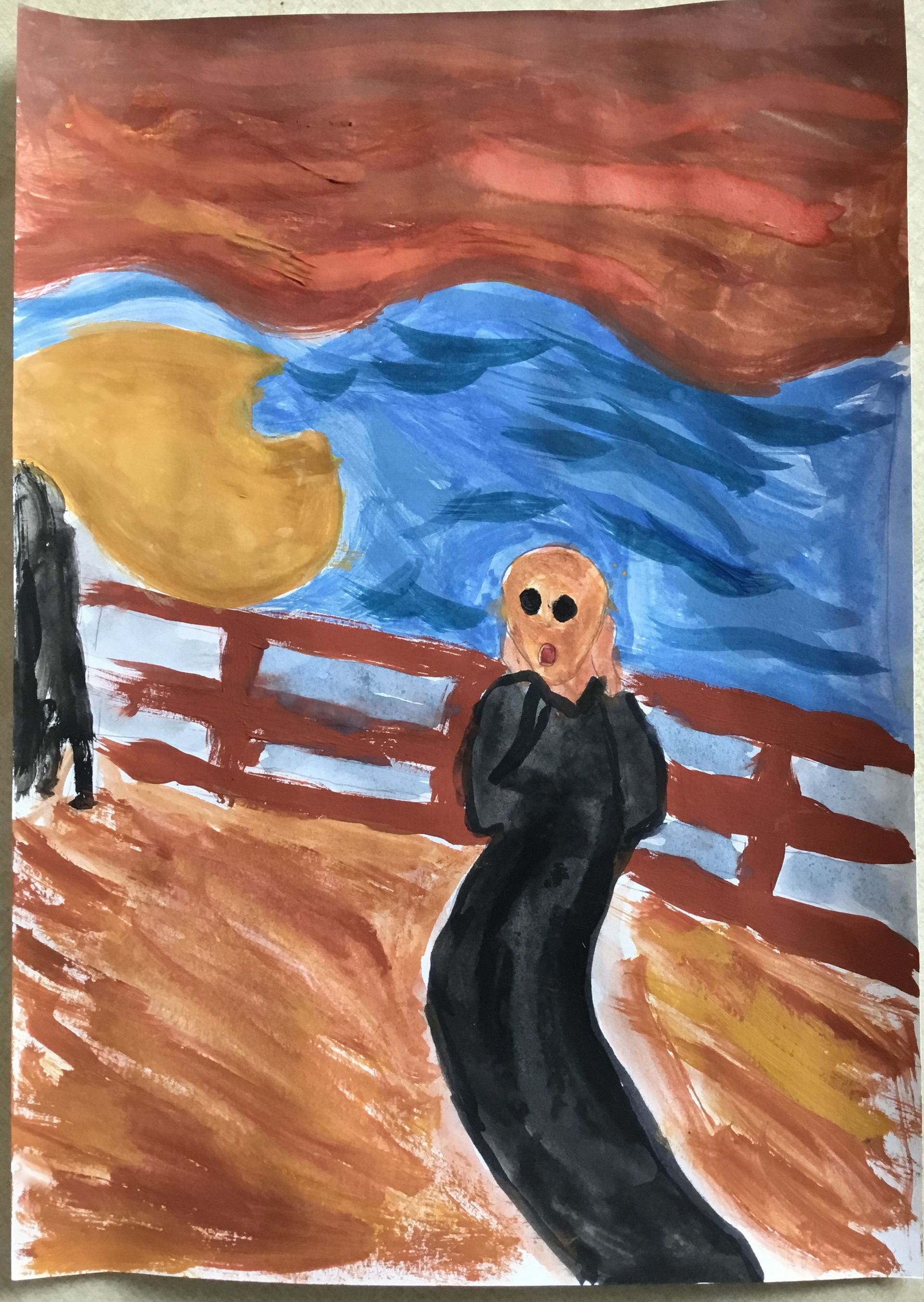
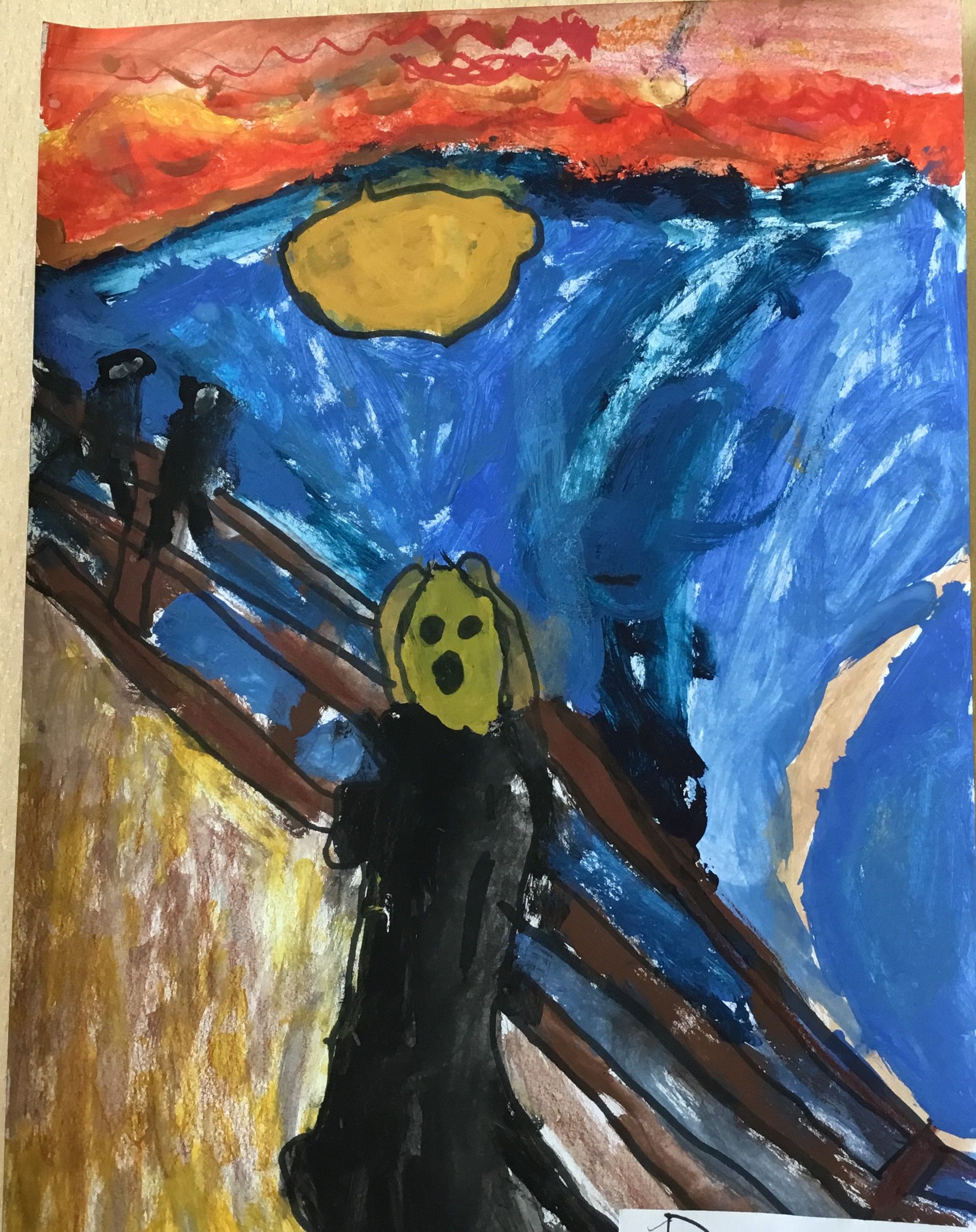
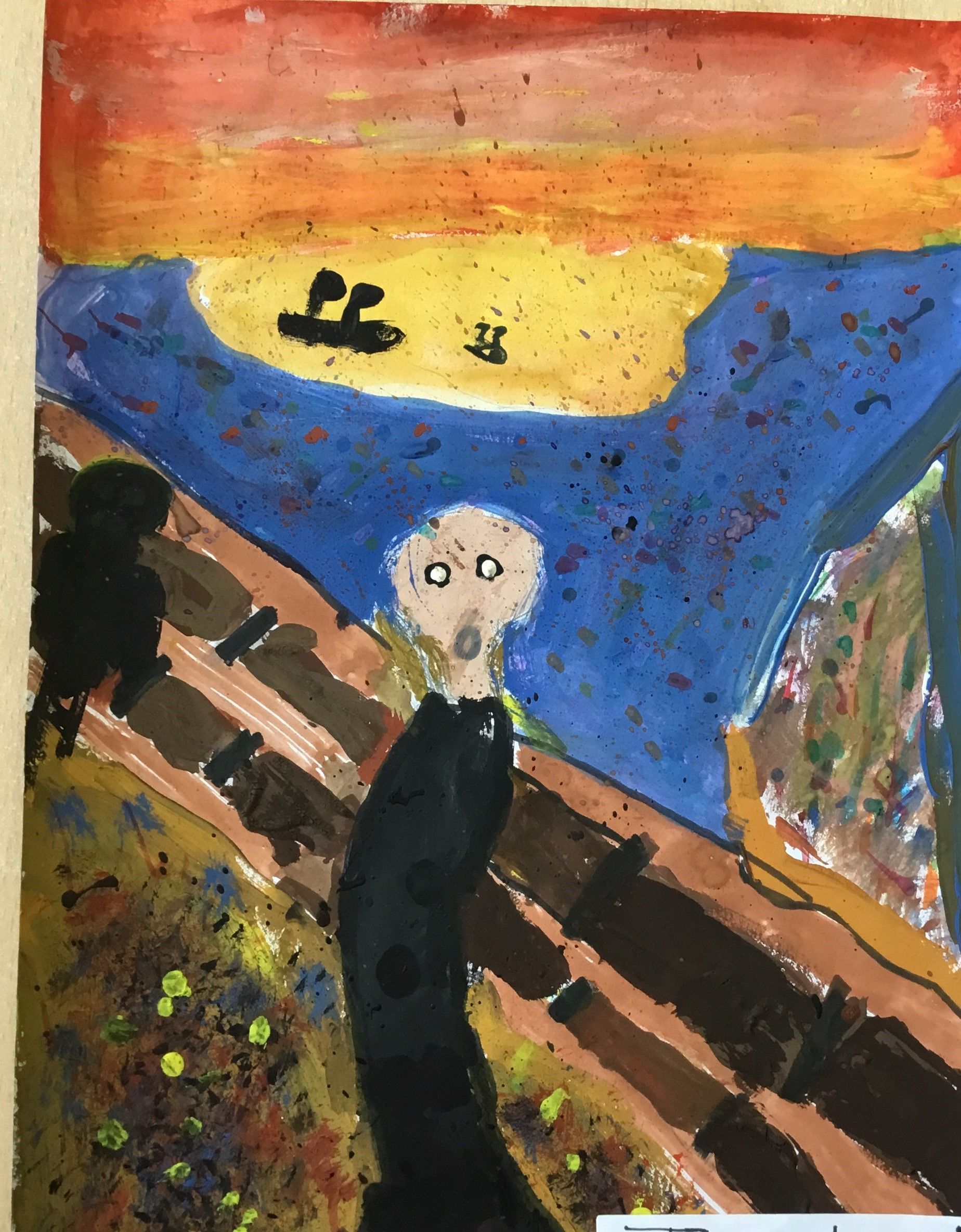
This week in Year 4, we proudly finished our paintings inspired by the famous expressionist artist Edvard Munch. Using his iconic artwork The Scream as our starting point, we created our own expressive versions, each with a unique twist that showed our feelings, ideas, and creativity.
The main part of our artwork was painted using watercolours, which helped us blend bold, dramatic colours just like Munch did. Once the backgrounds were complete, we added extra details using pencil, felt pens, and coloured pencils to bring our characters and landscapes to life.
Every painting turned out different — some mysterious, some dramatic, some full of movement — but all of them captured the expressive style we’ve been learning about. We’re really proud of how much emotion and imagination we managed to show through colour and line.
WC 23rd February 2026
🌿 This Week in Year 4: Exploring Data and Big Ideas
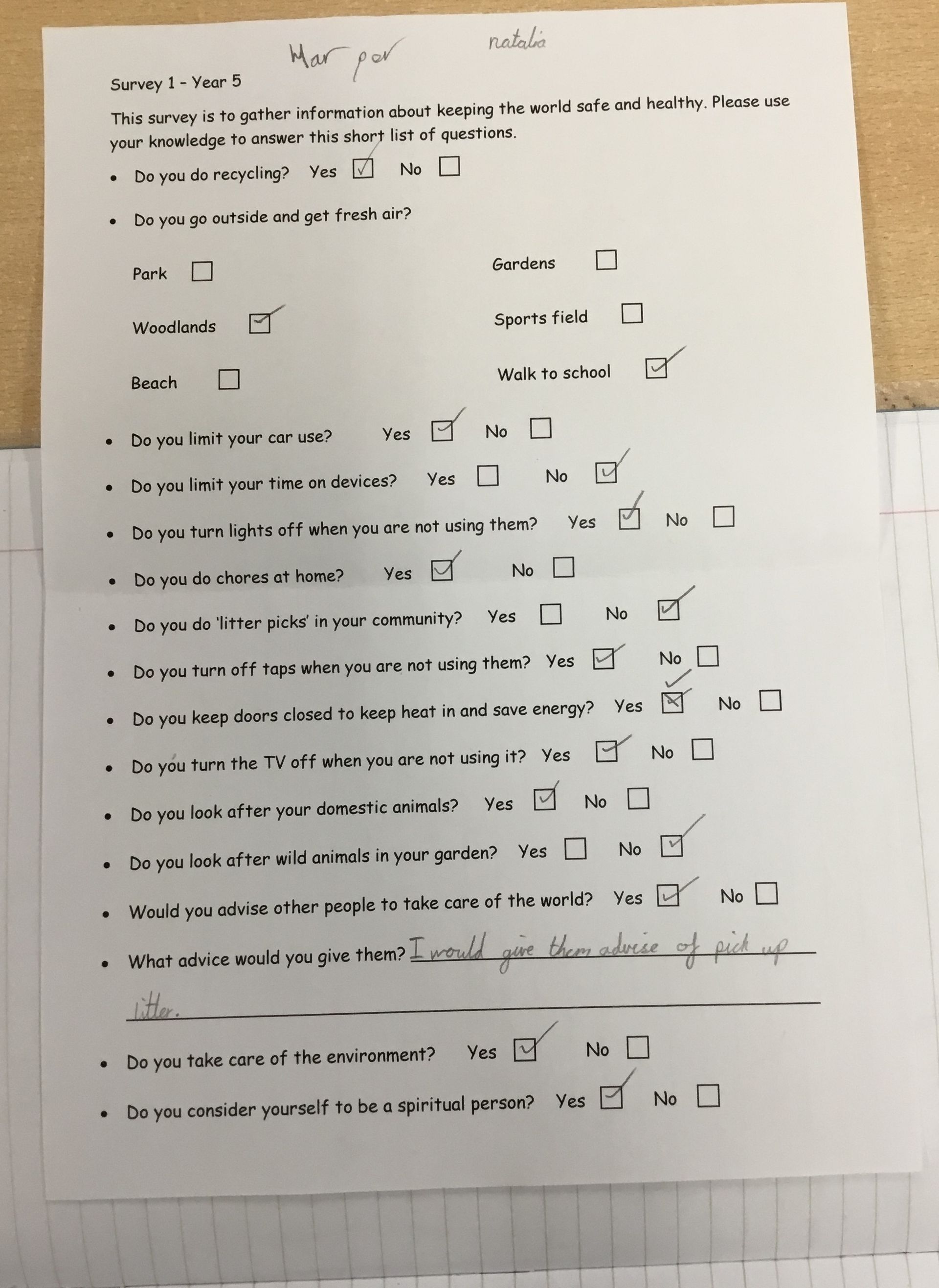
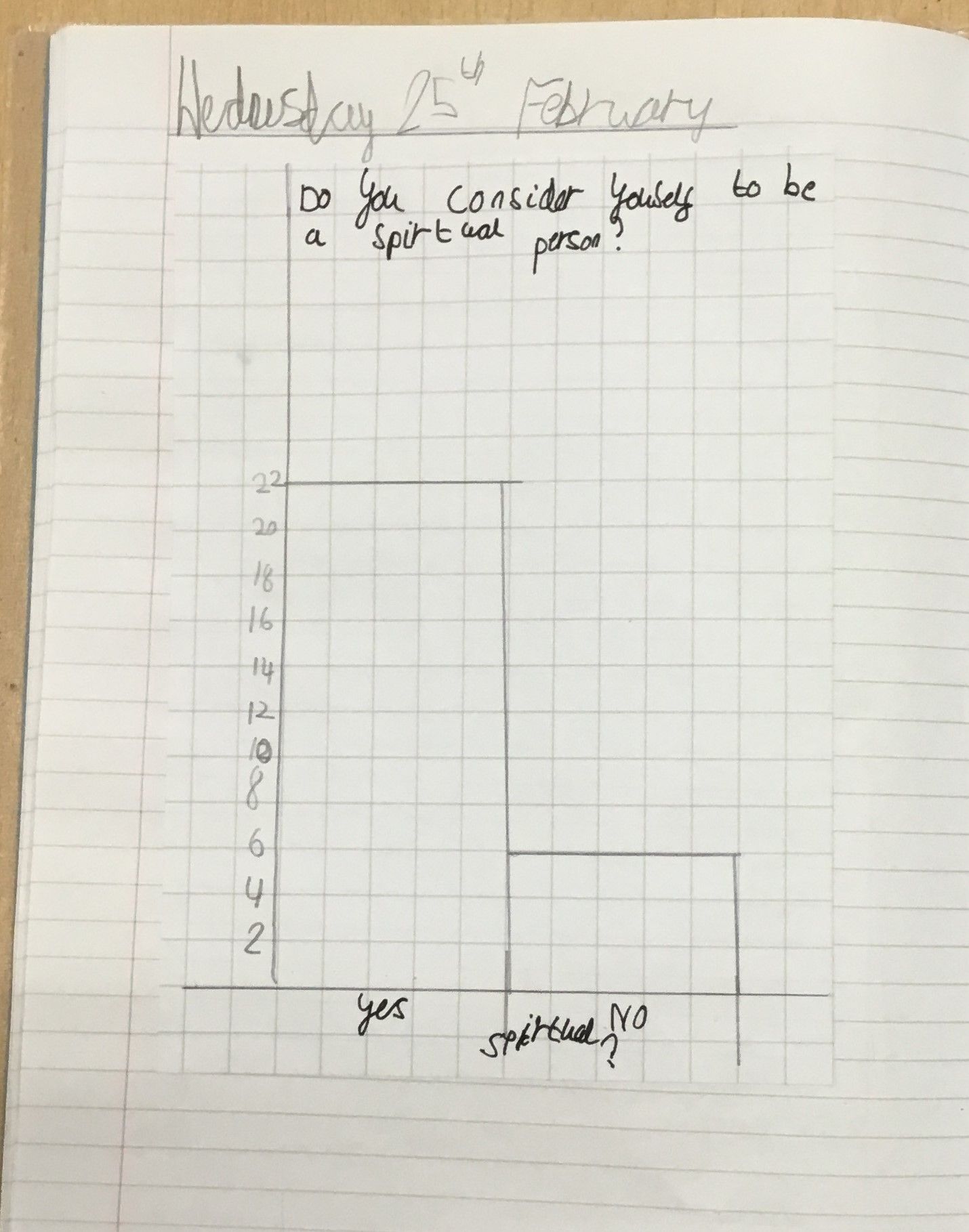
This week, Year 4 took on a challenging but fascinating project that combined maths, research skills, and thoughtful discussion. We explored the connection between caring for the environment and being a spiritual person, and the children approached the task with real maturity.
To begin, the class designed a survey and worked with Year 5 pupils to collect data. They asked questions about environmental habits, personal values, and how people think about the world around them. Everyone showed confidence and respect while carrying out the survey, which made the data collection run smoothly.
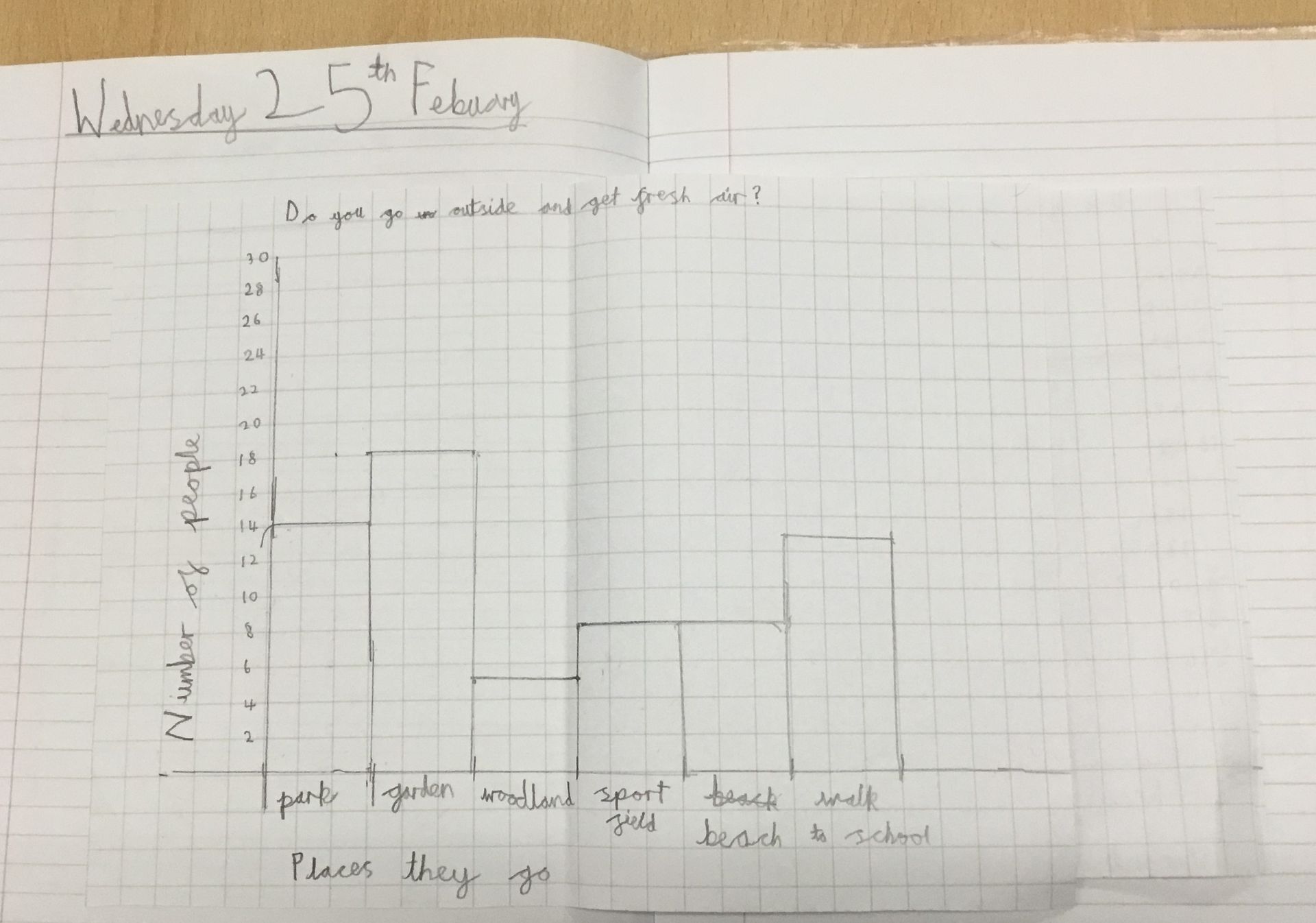
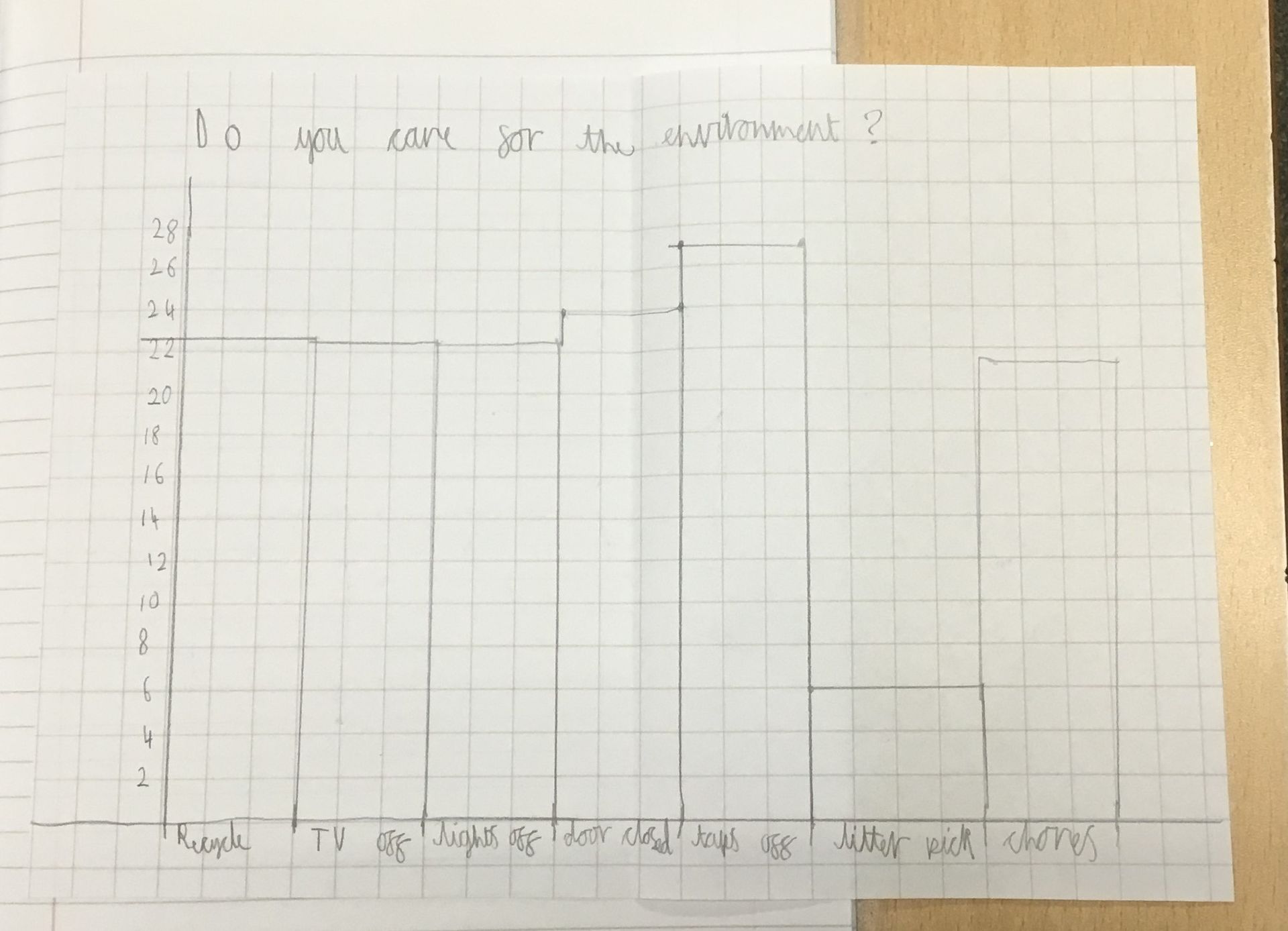
Once all the information was gathered, we moved on to the tricky part: presenting the data. The children worked hard to organise the results and display them using bar graphs. This involved choosing the right graph, labelling axes, and making sure the information was clear and accurate. It was a demanding task, but the class showed excellent perseverance.
They produced a thoughtful and well-presented set of graphs. I am proud of how the children turned raw information into something meaningful, and it sparked some great conversations about how our beliefs and actions connect.
WC 2nd February 2026
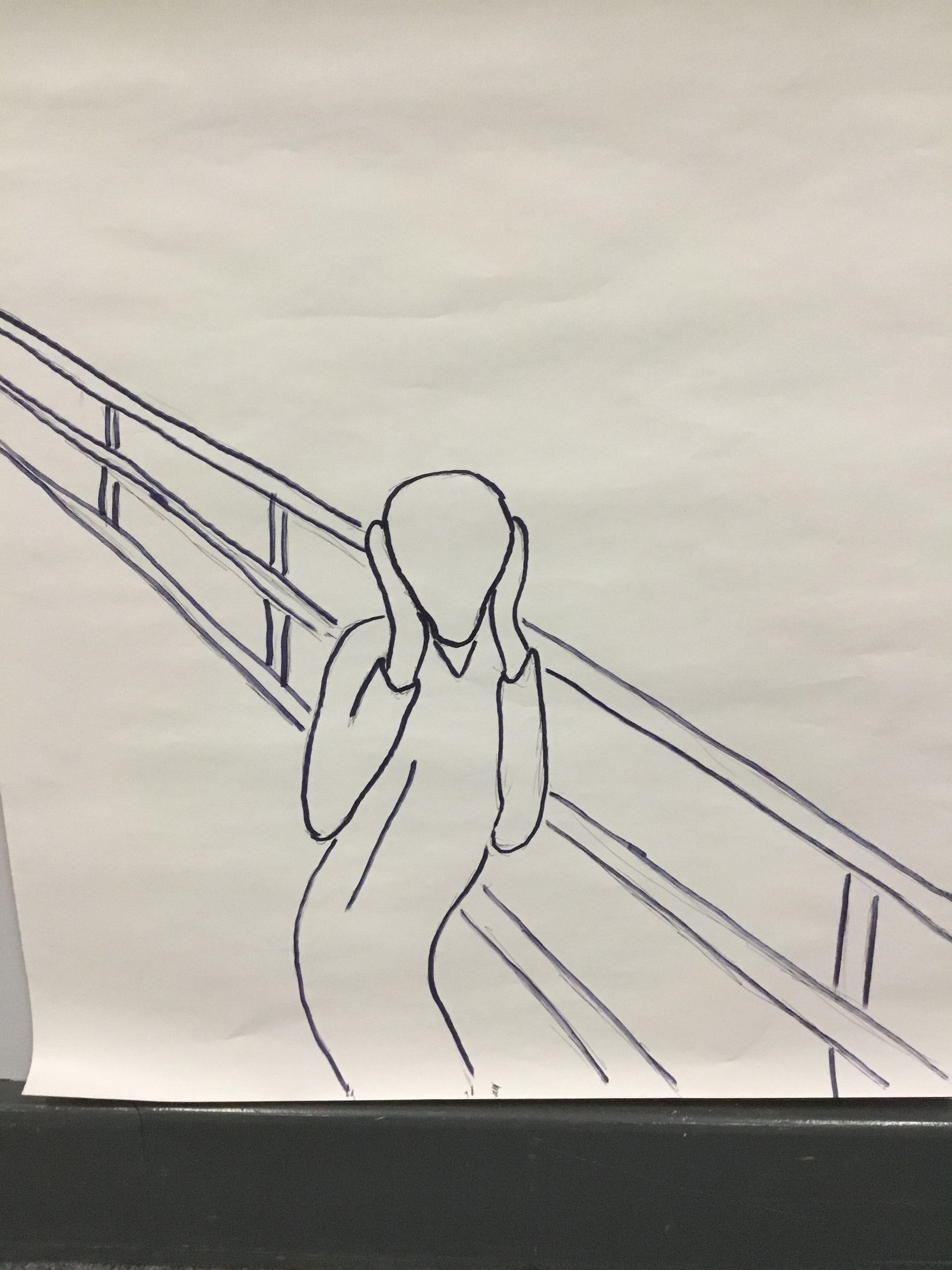
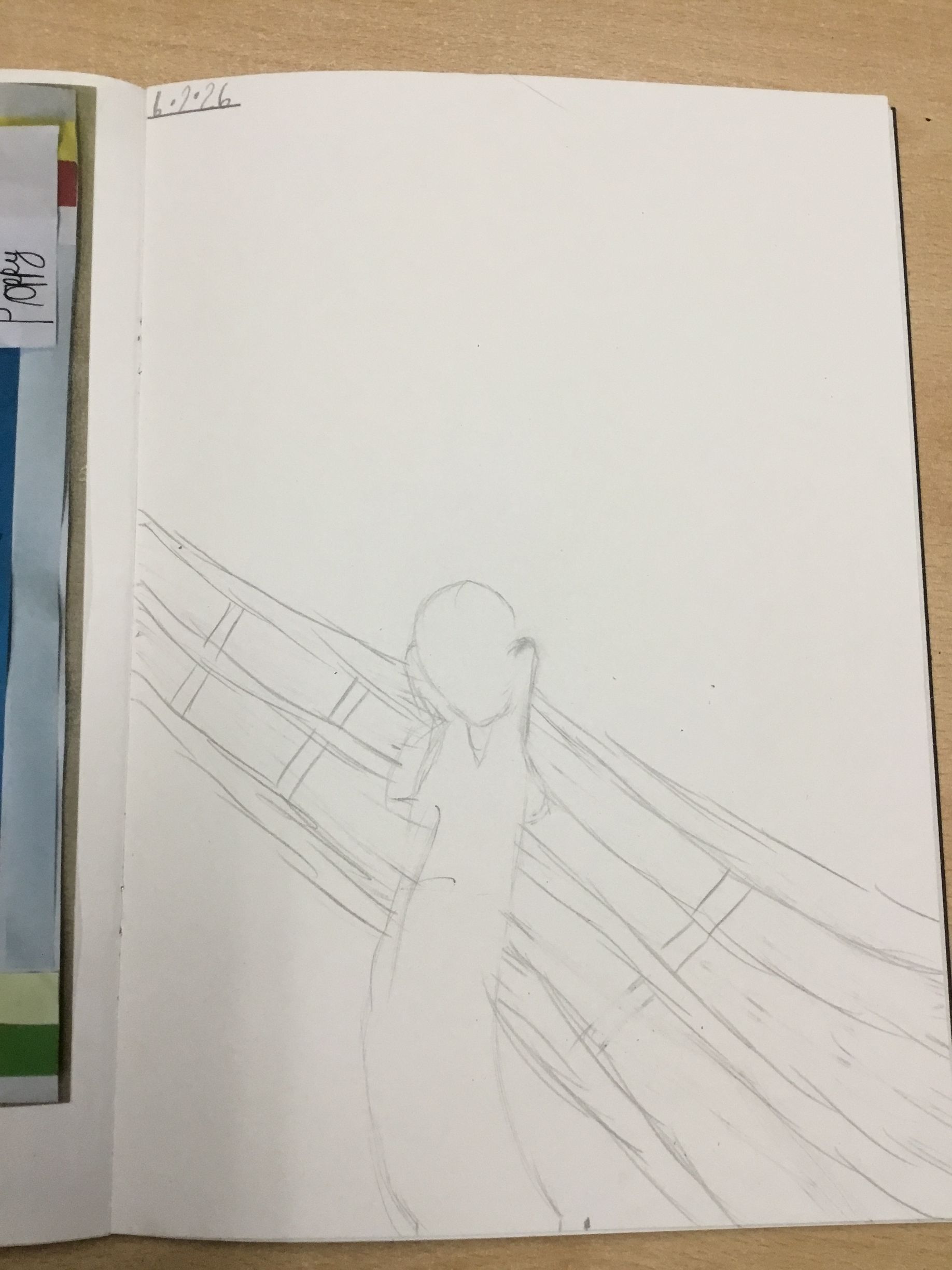
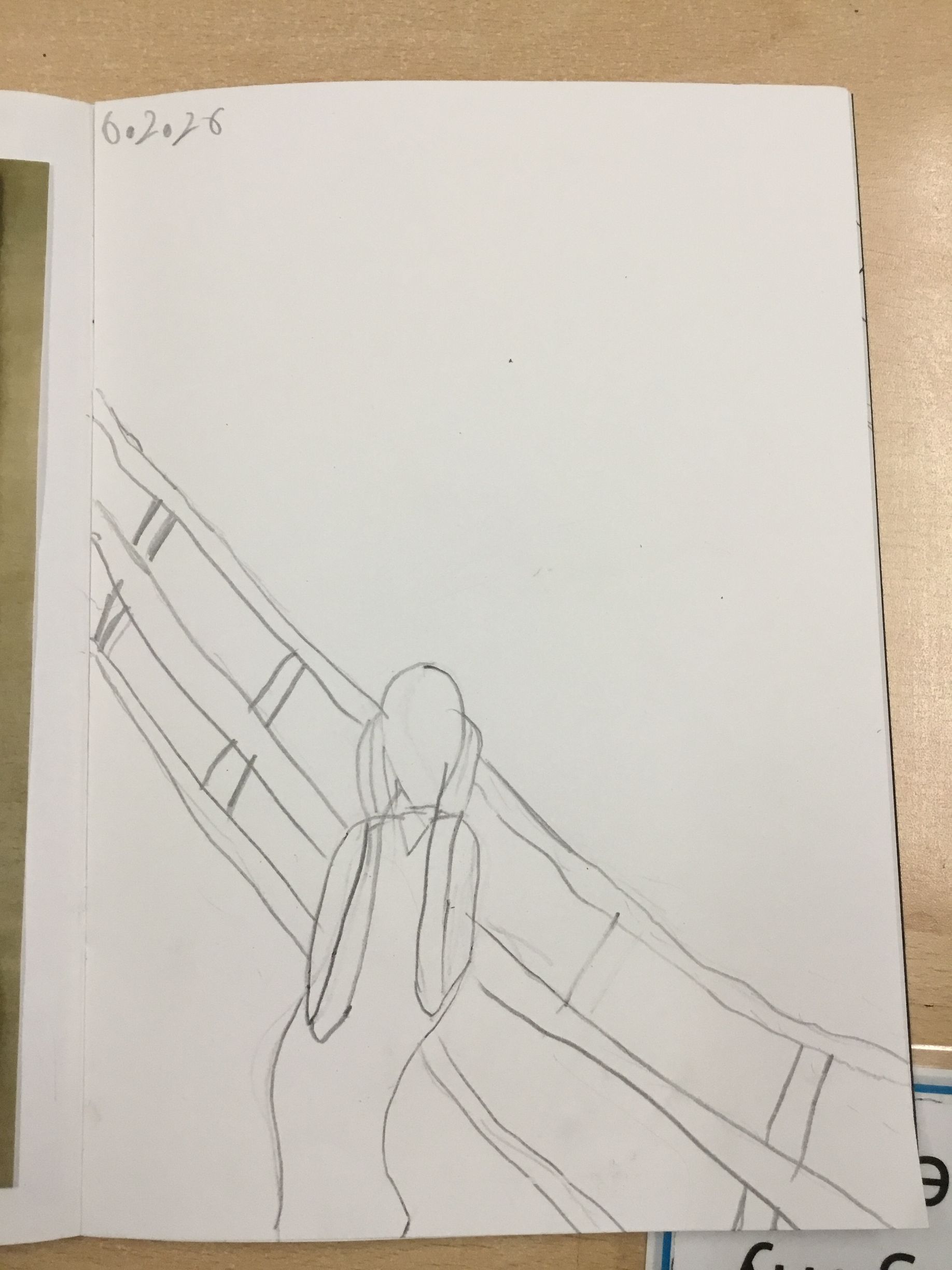
Art – Exploring Edvard Munch
In preparation for our new art unit, we’ve been studying the work of Edvard Munch. The children looked closely at the lines, shapes and spaces in his famous painting The Scream. Everyone had a go at sketching the outline, and the first attempts have been impressive. The class showed real focus as they talked about the dramatic curves and swirling background that make the artwork so iconic.
History – Life in Roman Times
Our Roman topic has continued with a deep dive into entertainment in ancient Rome. The children have been learning about:
- The Forum and its importance as the centre of Roman public life
- Gladiatorial games and what happened inside the amphitheatre
- The excitement and danger of chariot racing
- The Roman baths and why they were such an important part of daily routine
They’ve been writing about these different aspects and are beginning to build a vivid picture of what life was like in Roman society.
WC 26th January 2026
Our Learning This Week:
Humanist Spiritual Beliefs
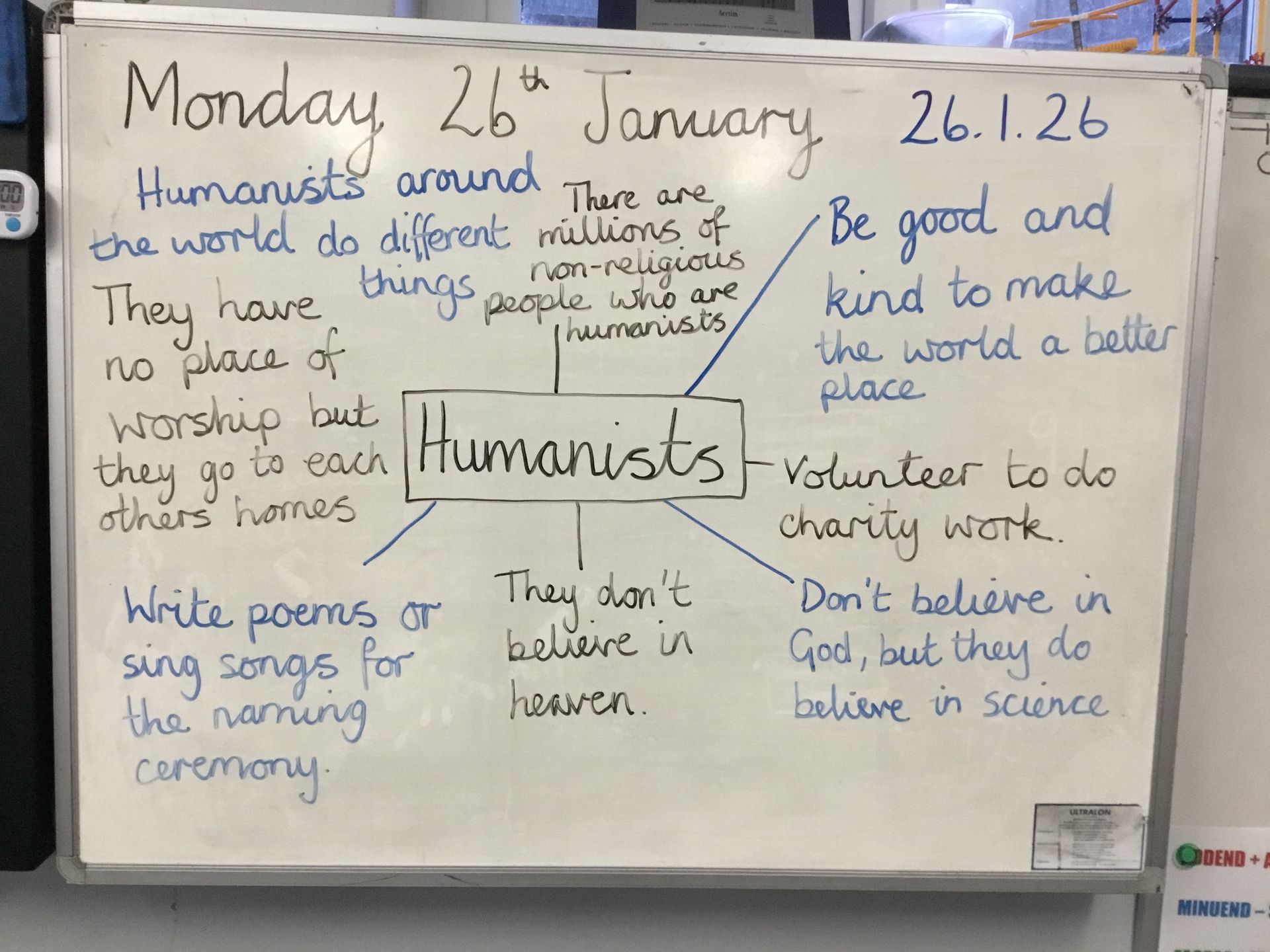
This week in Year 4 we have been learning all about Humanism and what Humanists believe. It has been really interesting to explore a worldview that is different from many religions but still has ideas about how to live a good and meaningful life.
What Humanists Believe
We found out that Humanists:
- Believe we only have one life, so we should make it the best it can be.
- Think we can be kind, fair, and good without needing a god or a holy book.
- Use science, reason, and evidence to understand the world.
- Believe that humans are responsible for caring for each other and the planet.
What Humanists Don’t Believe
We also learned that Humanists:
- Do not believe in gods or the supernatural.
- Don’t follow religious rules or sacred texts.
- Don’t believe in an afterlife.
How Humanists Show Their Beliefs
Humanists show their values by:
- Helping others and trying to make the world a better place.
- Celebrating important life events—like weddings or naming ceremonies—with Humanist celebrants instead of religious leaders.
- Making choices based on kindness, fairness, and what will help people live well.
How Many Humanists Are There?
We discovered that:
- There are millions of Humanists around the world.
- In the UK, many people share Humanist values even if they don’t call themselves Humanists.
- Humanism is growing as more people choose non‑religious ways of understanding life.
Our Art Learning:
Inspired by Henri Matisse
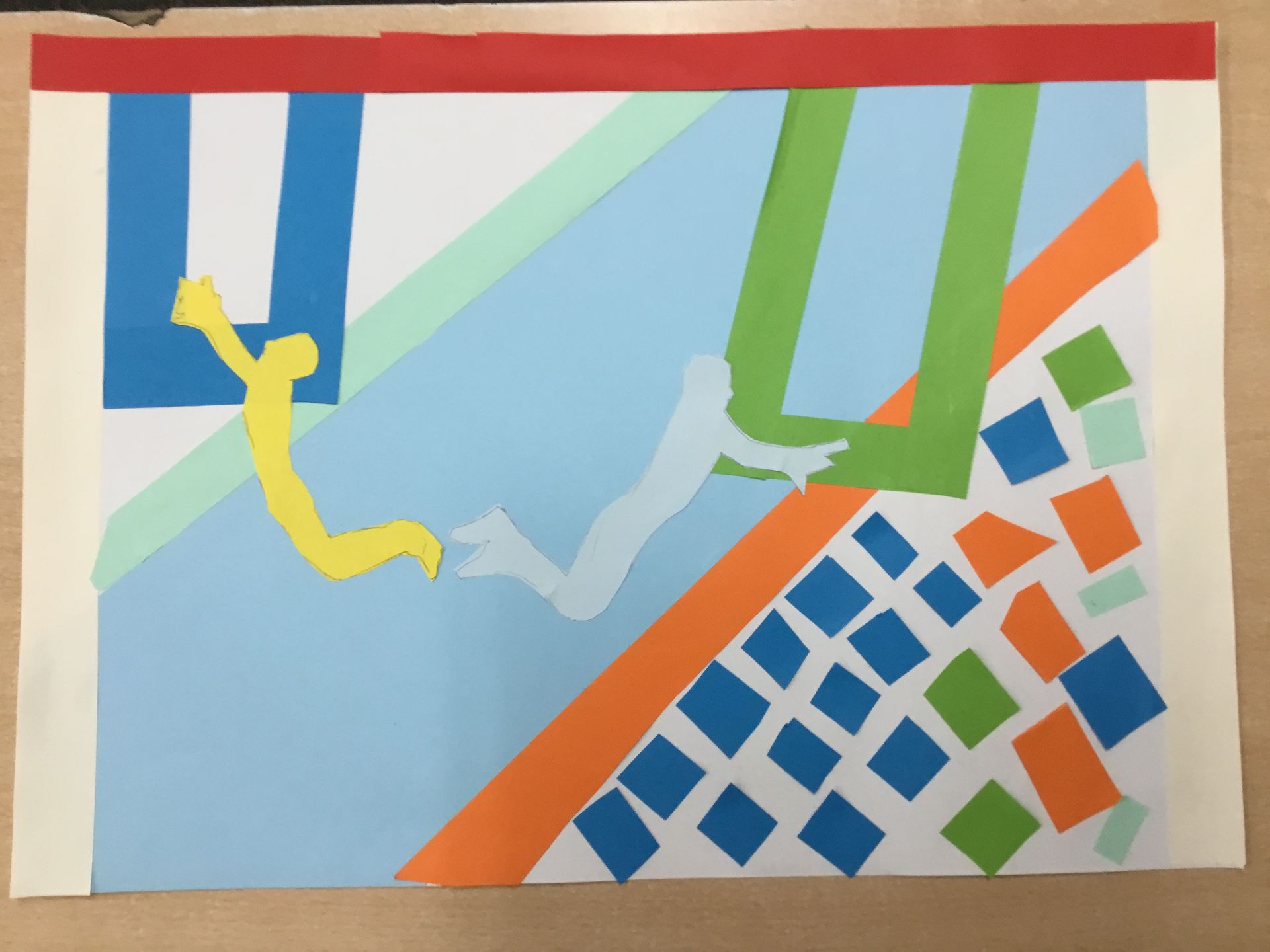
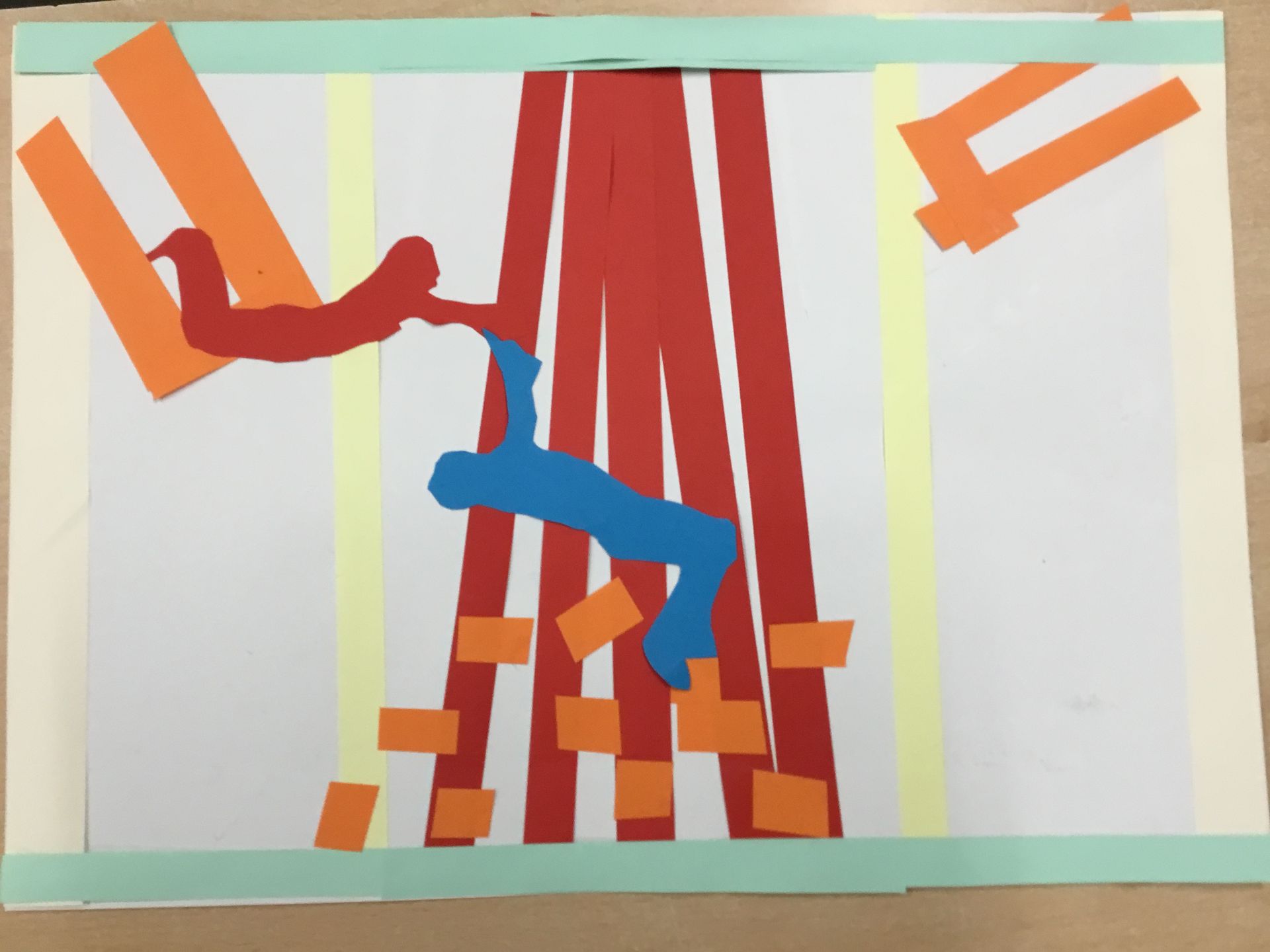
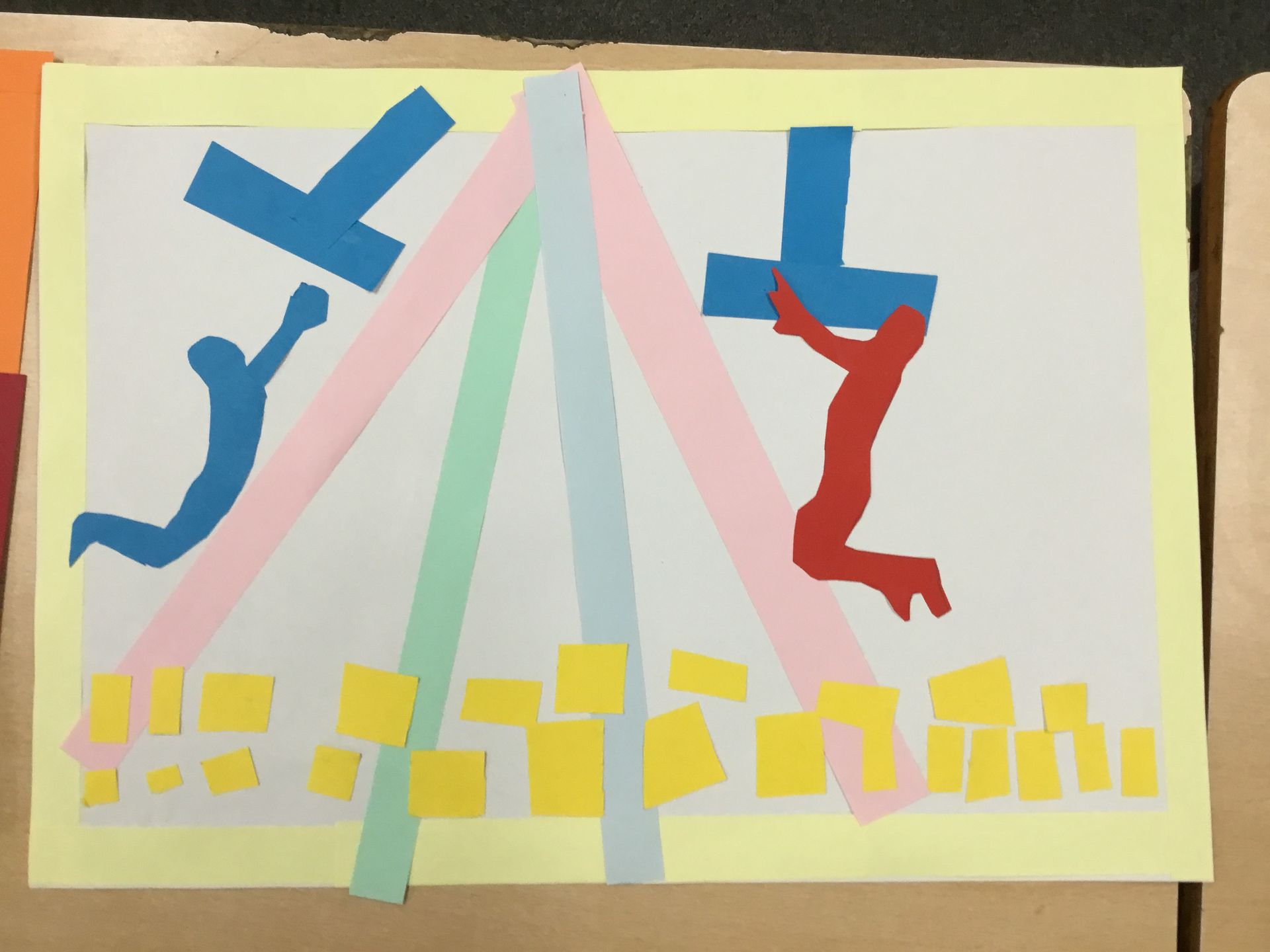
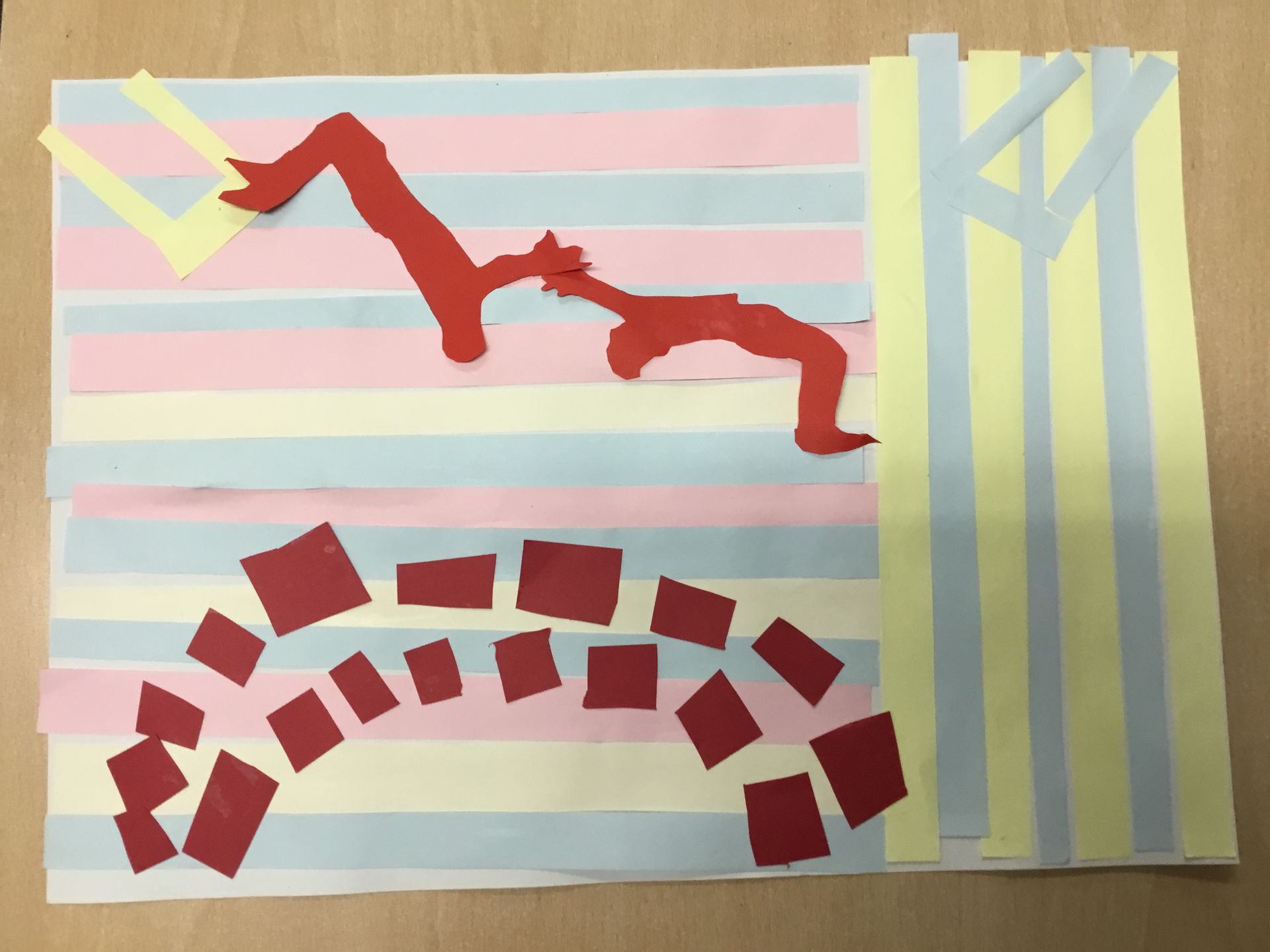
In art this week we have been exploring the work of Henri Matisse, a famous French artist. We discovered that when Matisse was younger, he painted in a realistic style, carefully showing what things looked like in real life. However, as he grew older, his style changed and he became well known for his colourful collages, which he called “cut‑outs.”
Learning From Matisse
We looked closely at Matisse’s artwork, especially his piece inspired by trapeze artists. We talked about:
- How he used bold shapes and bright colours
- How he created movement using simple cut‑out forms
- How different his collage style is from his early realistic paintings
Creating Our Own Collages
Using Matisse’s trapeze artists as our stimulus, we created our own collages. The children worked incredibly hard, experimenting with shape, colour, and composition. They showed great creativity and focus, and the results were stunning. Each piece of art was unique and full of energy—just like Matisse’s work.
WC 19th January 2026
📘 Year 4 Blog – Whole Class Reading & Writing
It’s been an exciting week in Year 4 as
we began exploring our new whole‑class reading text, Iliad and Odyssey by Gillian Cross. The children were
fascinated to learn that these famous stories were originally told thousands of
years ago by the ancient Greek poet Homer,
and that Gillian Cross has rewritten them in a way that modern readers can
enjoy and understand.
📚 Whole Class Reading
We have spent time discussing:
· Who Homer was and why his stories are so important
· How Gillian Cross has adapted the tales for today’s audience
· The characters, settings, and themes we will encounter as we read further
✍️ Writing – Biography of Gillian Cross
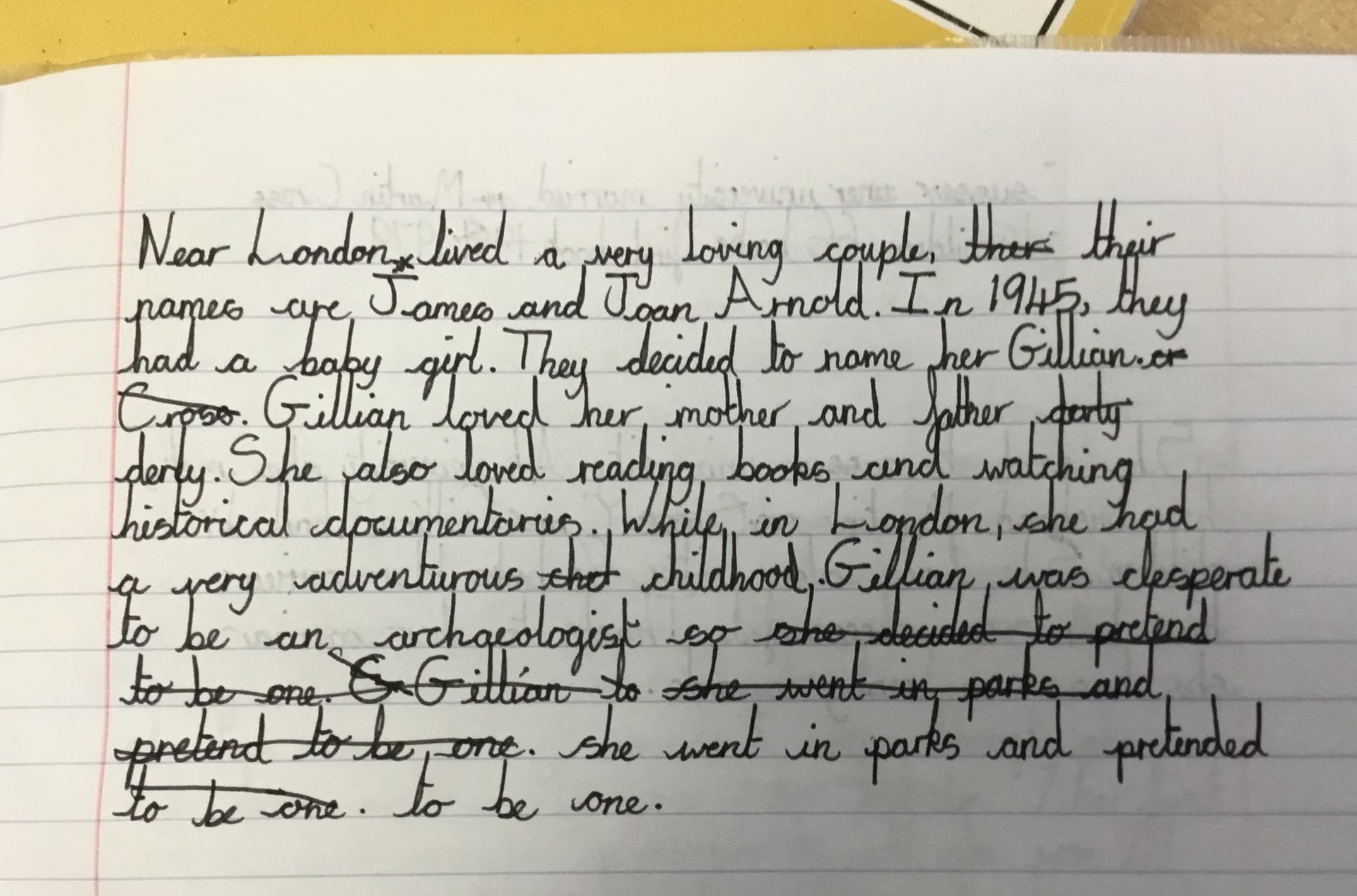
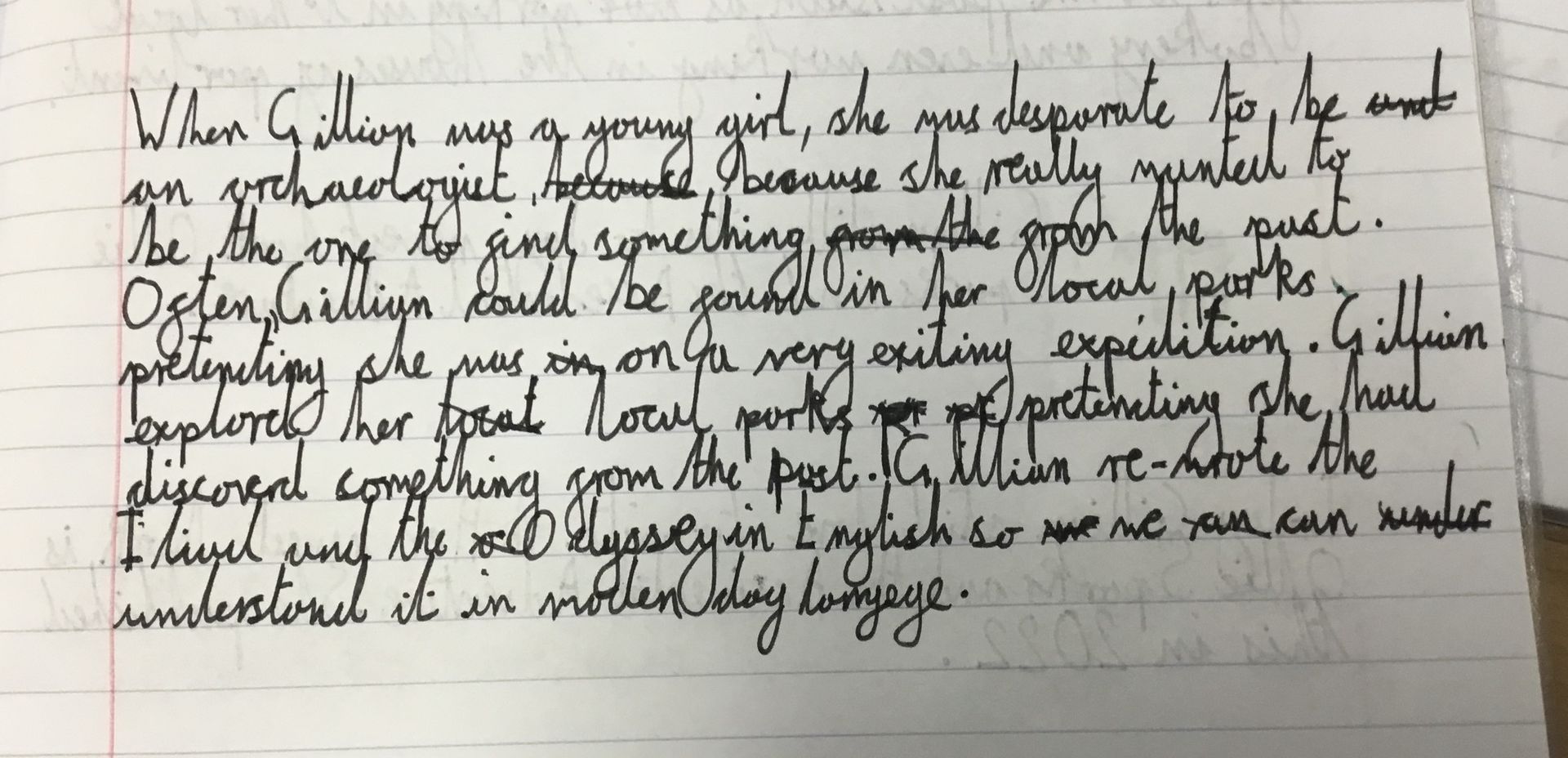
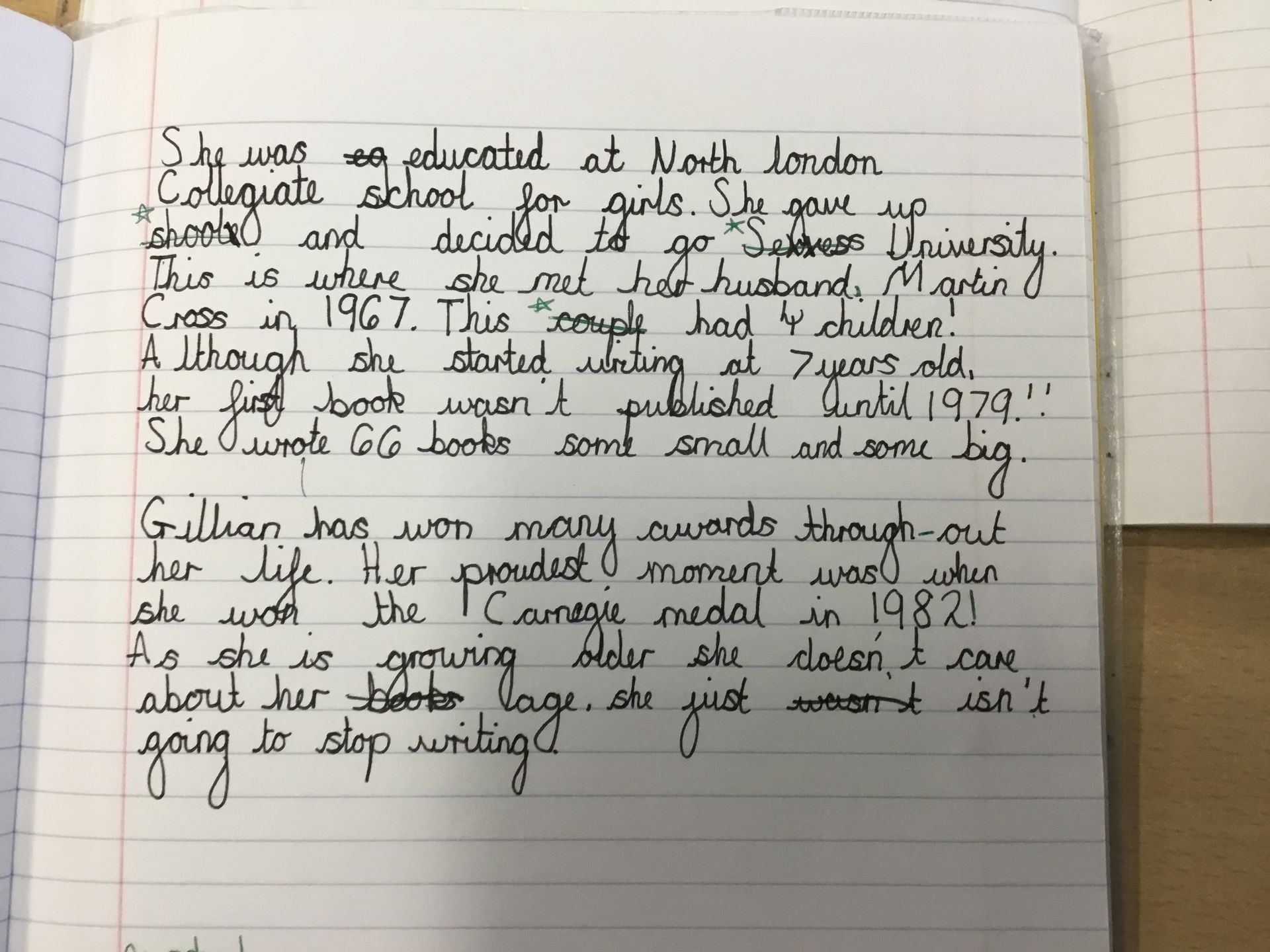
In our writing lessons, we have been learning all about Gillian Cross herself. After researching her life and achievements, the children planned and wrote their own biographies.
Our writing process included:
· Planning key facts and organising them into sections
· Writing a first draft to get ideas down
· Editing and improving in a second draft, focusing on the features of high‑quality writing
We have been working hard to include:
· Compound sentences
· Complex sentences
· Fronted adverbials
· And, of course, accurate factual information
The children have shown real effort and pride in their work, and their biographies look impressive.
WC 12th January
🎨 Year 4 Blog – Art and RE Highlights This Week
It’s been an inspiring week in Year 4 as we began a brand‑new project in art and continued our thoughtful discussions in religious education.
🖼️ Art – Exploring Design Through Matisse
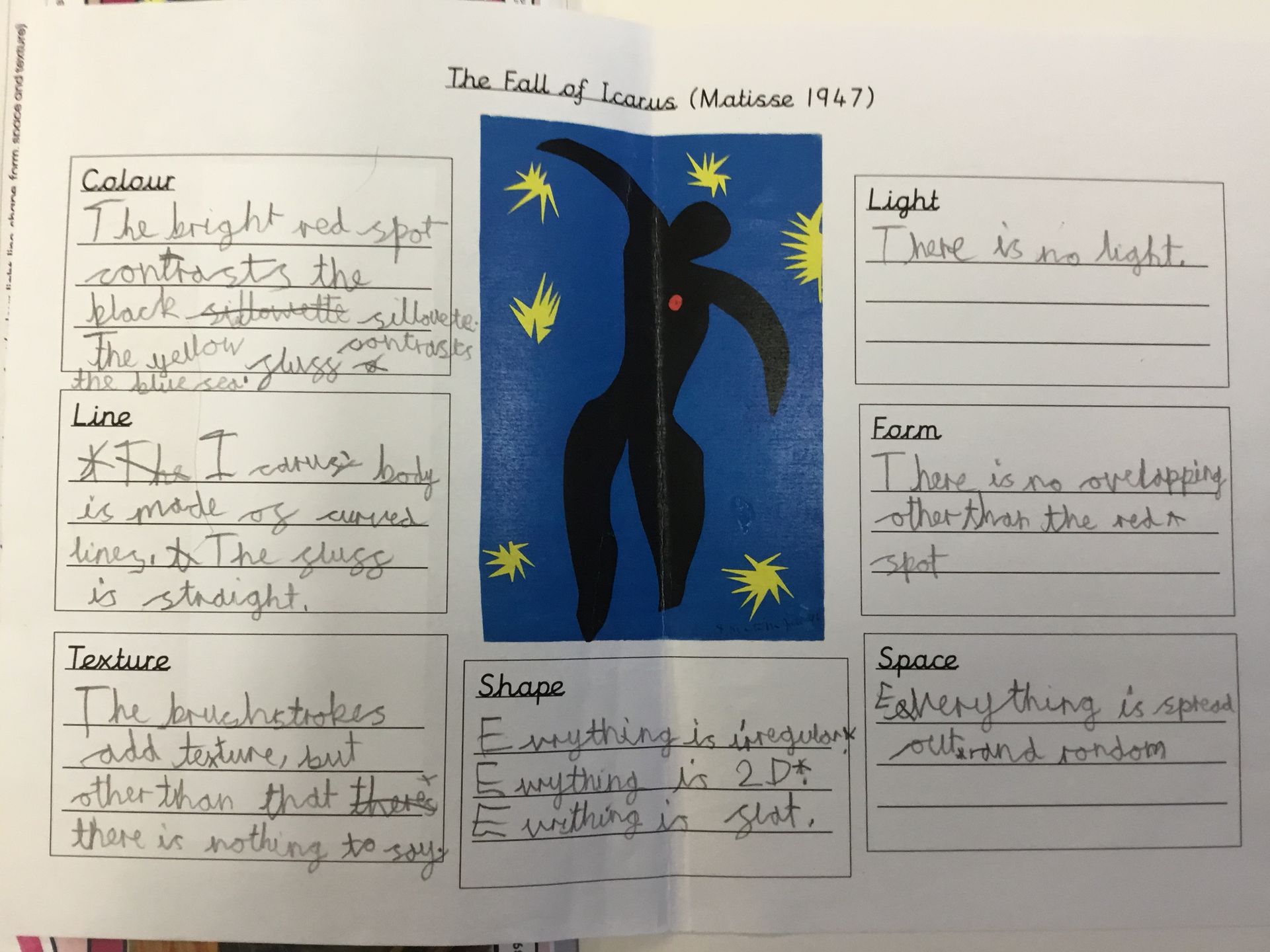
We have started learning about design in art, focusing on the work of Henri Matisse. The children were fascinated to discover that Matisse began his career creating realistic paintings, but later in life developed a completely different style using bold collages, which he called cut‑outs.
This week, we explored:
- Matisse’s early realism
- How his style changed as he grew older
- His famous cut‑out piece “The Fall of Icarus”
Because we had already read the story of Icarus during whole‑class reading, the children were able to make strong connections between the myth and Matisse’s artistic choices. They discussed colour, shape, and emotion, and how design can help tell a story without using words.
🌿 Religious Education – Spirituality and Nature
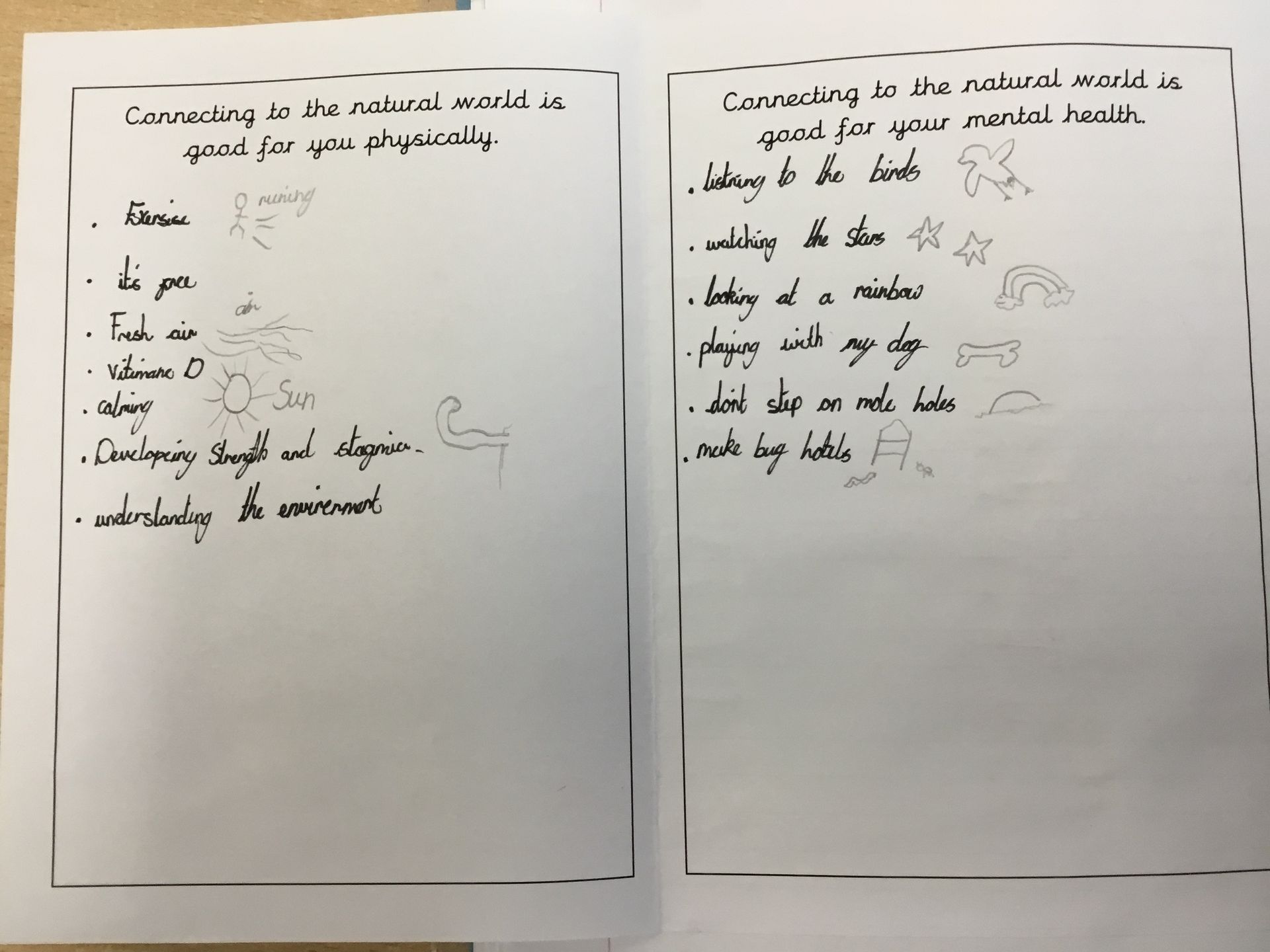
In RE, we have continued thinking about spirituality and what it means to feel connected to something bigger than ourselves. This week’s focus was on how spending time in the natural world can support both our mental and physical health.
The children shared thoughtful ideas about:
- How nature helps us feel calm and grounded
- Why fresh air, green spaces, and quiet moments are important
- Ways we can look after our wellbeing by connecting with the world around us
Their reflections showed real maturity and awareness of how to care for themselves and others.
WC 6th January 2026
🌟 Year 4 Blog – First Week Back!
It’s been a brilliant first week back in Year 4. The children have settled in quickly and jumped straight into our new learning with enthusiasm.
🏺 History – The Romans
We’ve begun our brand‑new history project for the term: The Romans. It’s clear that the children have remembered a great deal from previous years, and they were eager to share what they already knew.
This week, we explored:
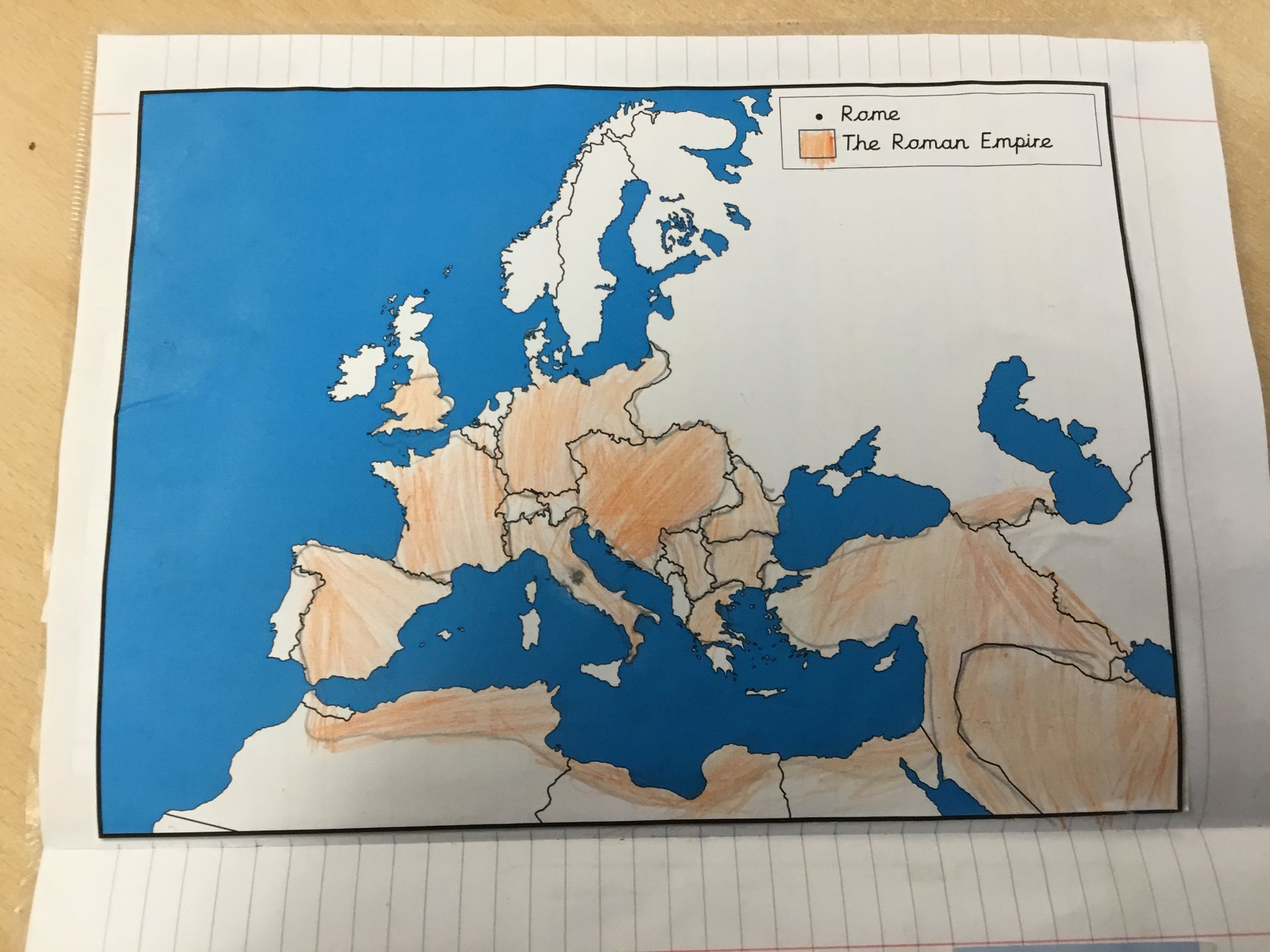
- Where Rome is located and why its position was so important
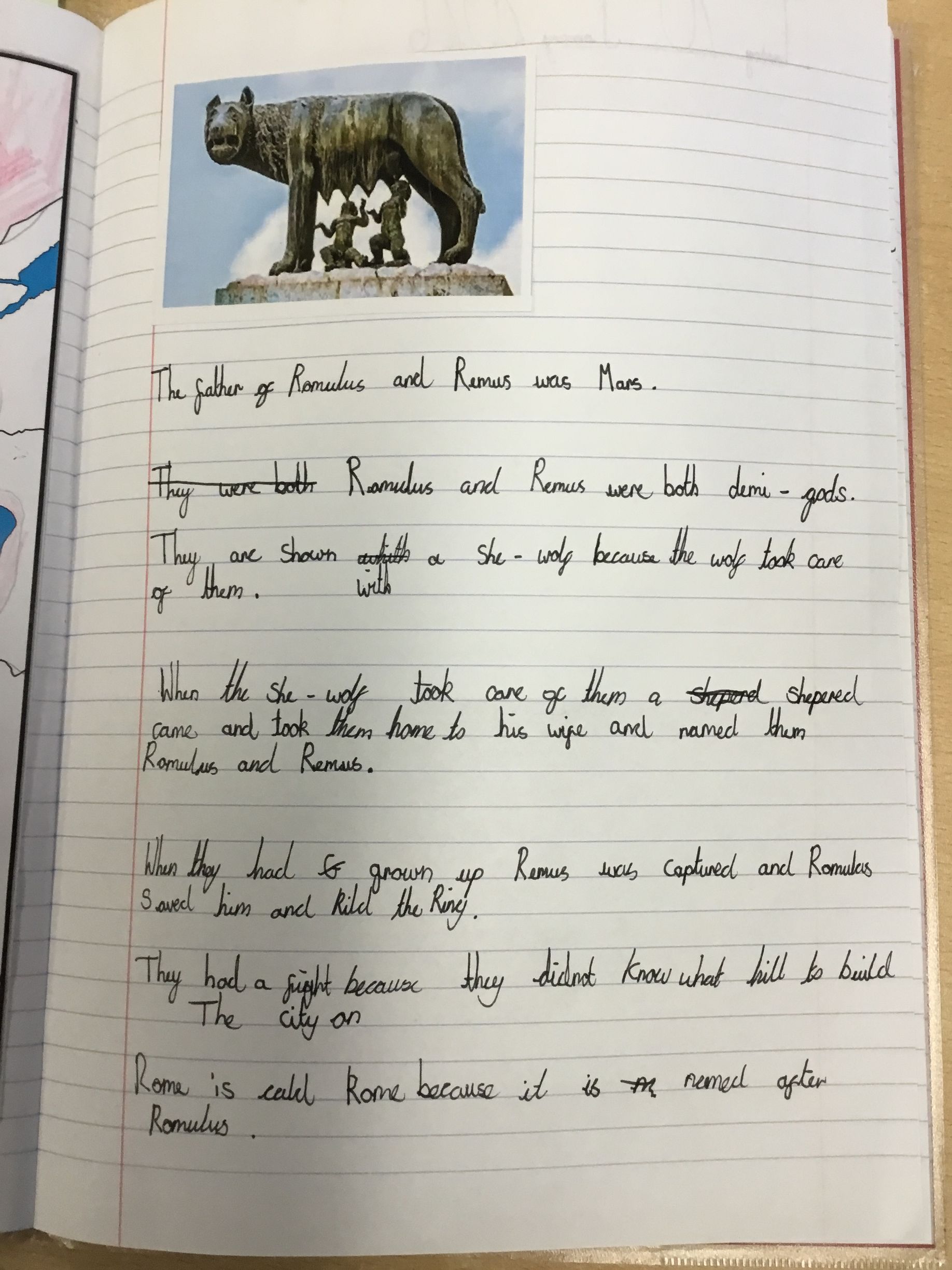
- The myth of Rome’s founding, including the story of Romulus and Remus
- Early ideas about how Rome grew from a small settlement into a powerful civilisation
The class asked thoughtful questions and showed real curiosity about how the Romans lived, ruled, and influenced the world.
WC 15th December 2025
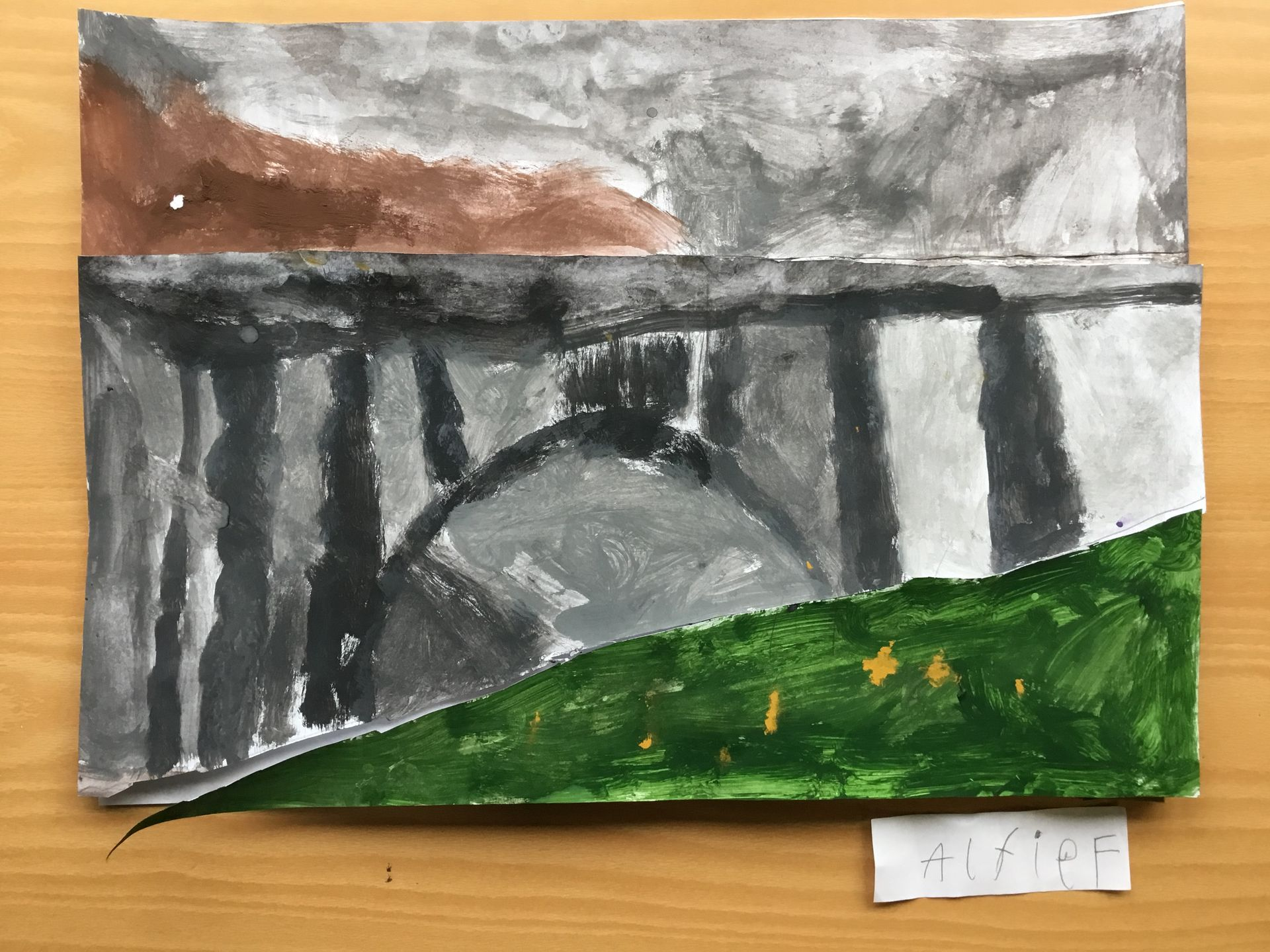
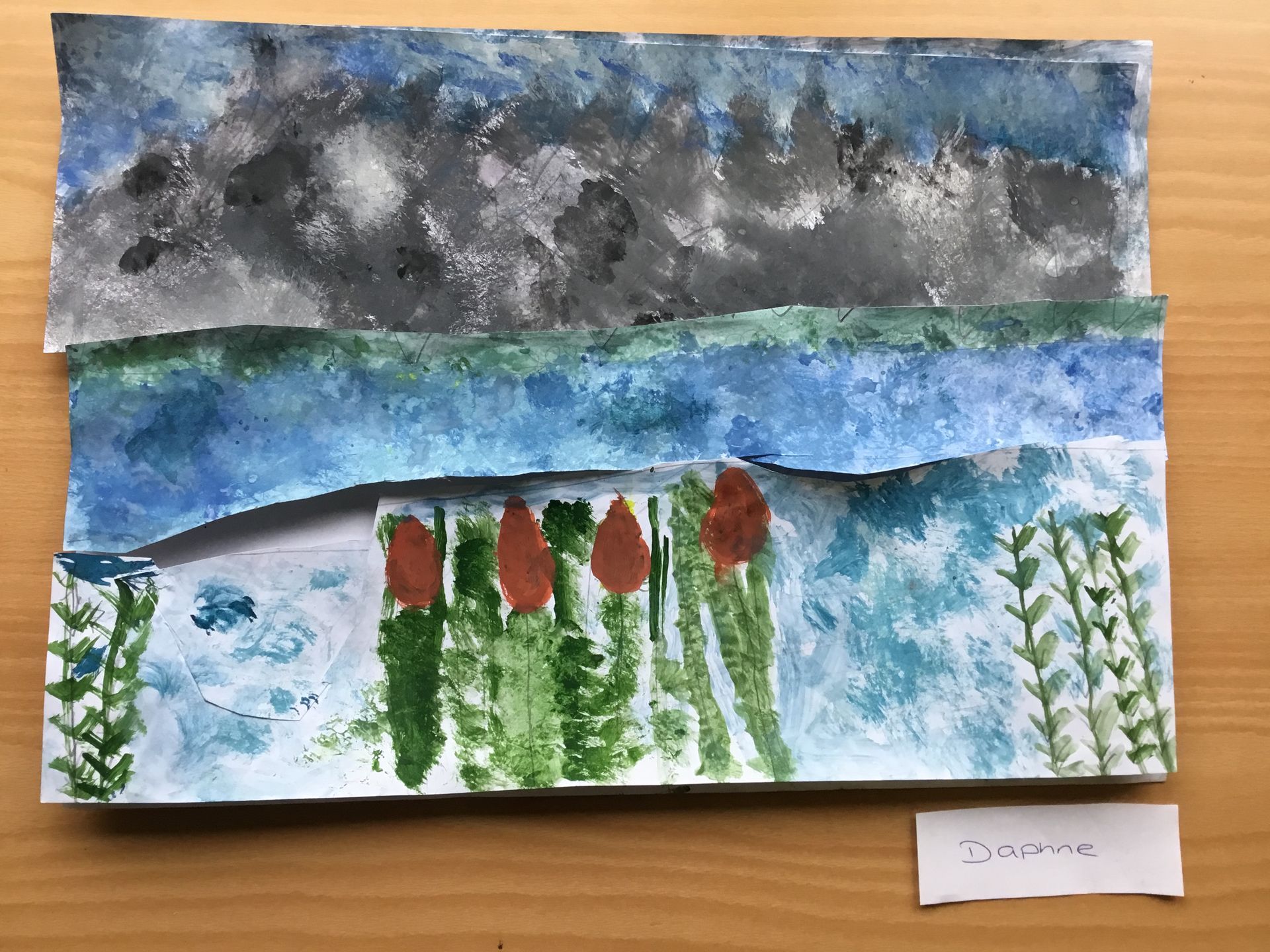
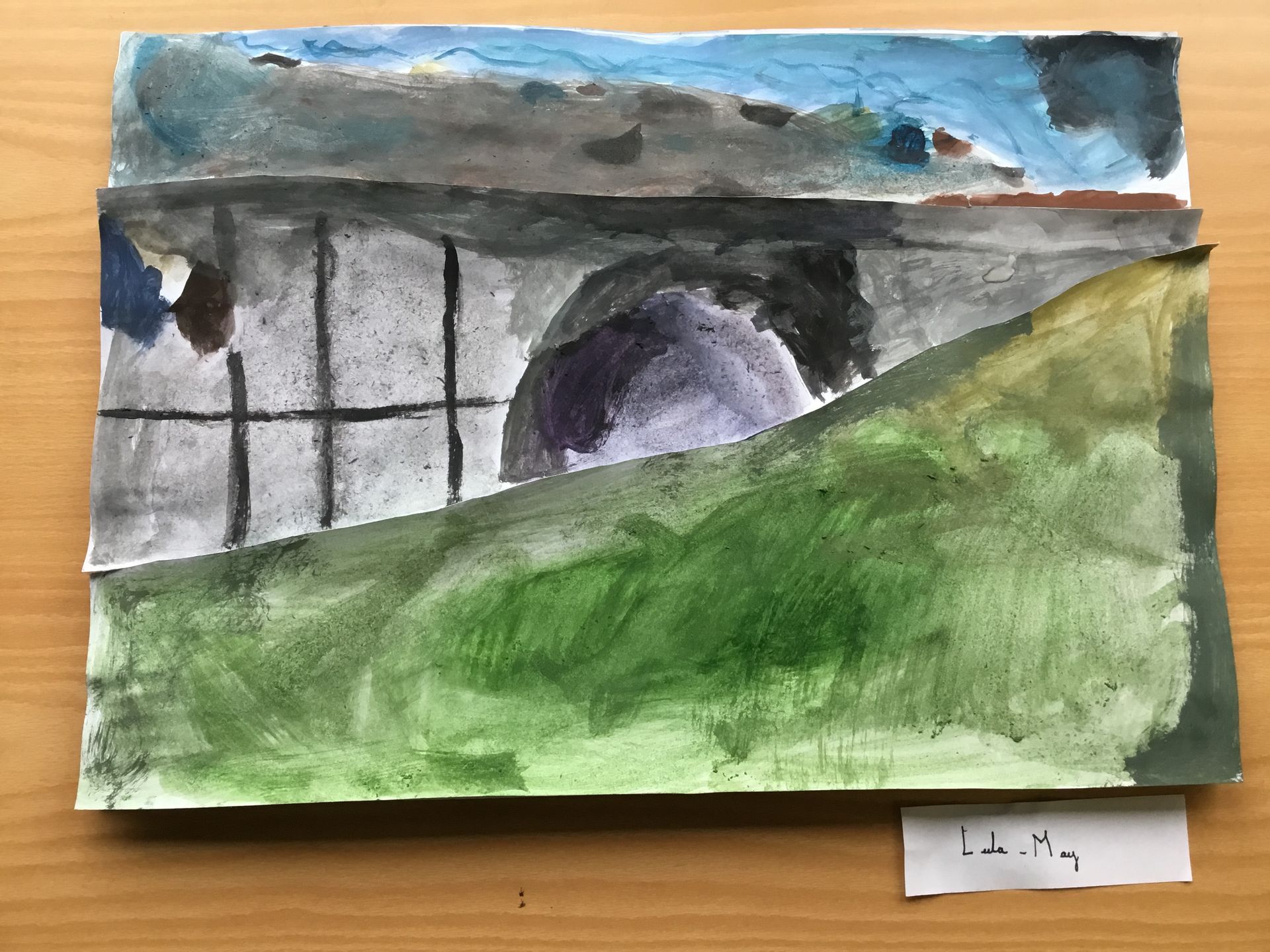
Here is the finished art work we began four weeks ago. Some have been taken home already, so you will see in reality they are 3-D images. I think you can see quite clearly the different personalities of the children.
We have also had a great deal of fun this week, with making cards, carol services, nativity plays and watching Oliver the Musical.
Merry Christmas!

WC 24th November 2025
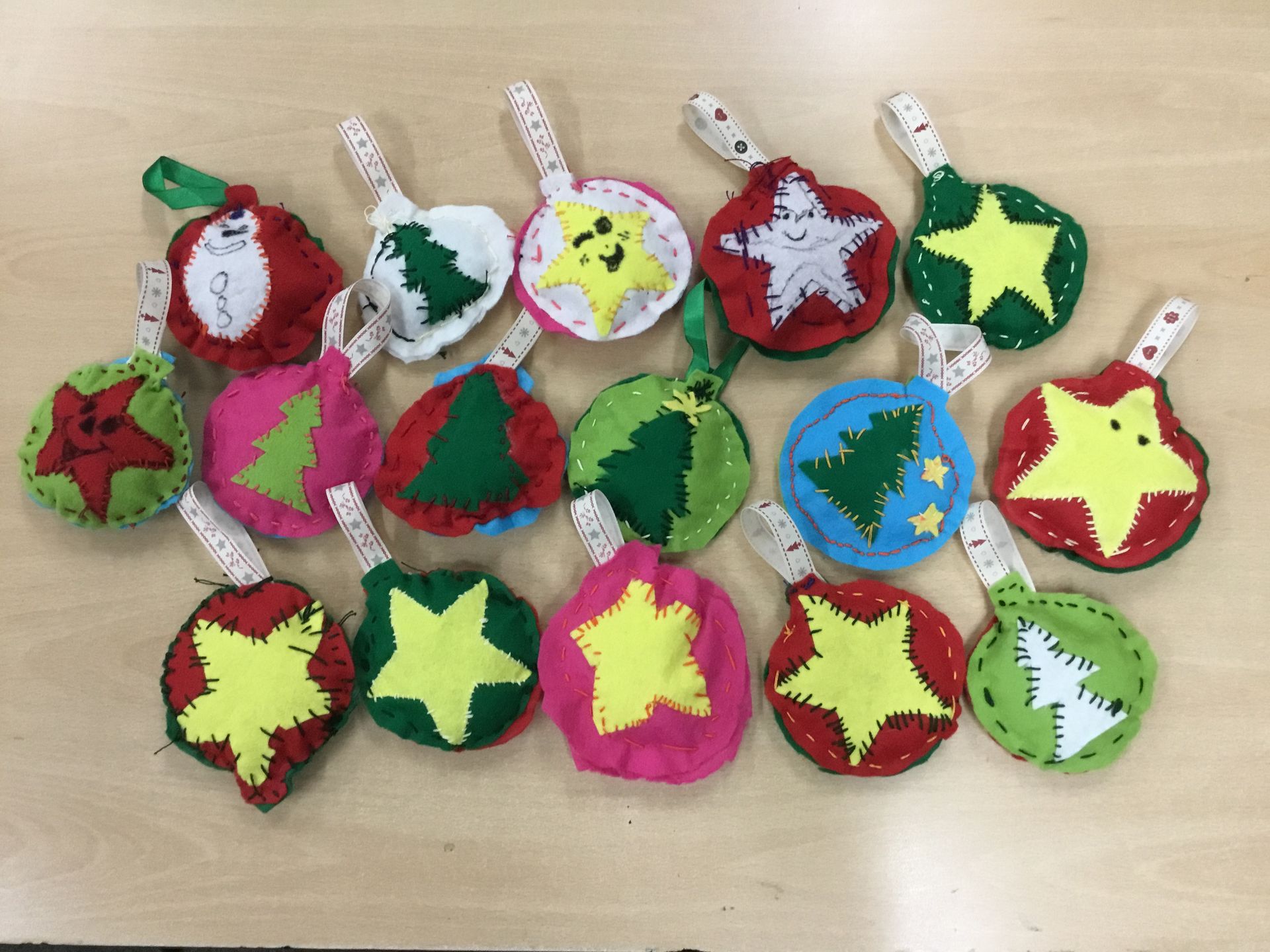
We had fun this week doing our design and technology project. I am sure the children have told you all about it.
I was so impressed by their patience and determination to succeed. This was quite difficult, but everyone gave it their best shot - even when I unpicked their work because they had made mistakes. It did take us longer than all the other classes, but I think you will agree - it was worth it. They have produced some excellent Christmas Tree Decorations and have learned some new skills.
WC 17th November 2025
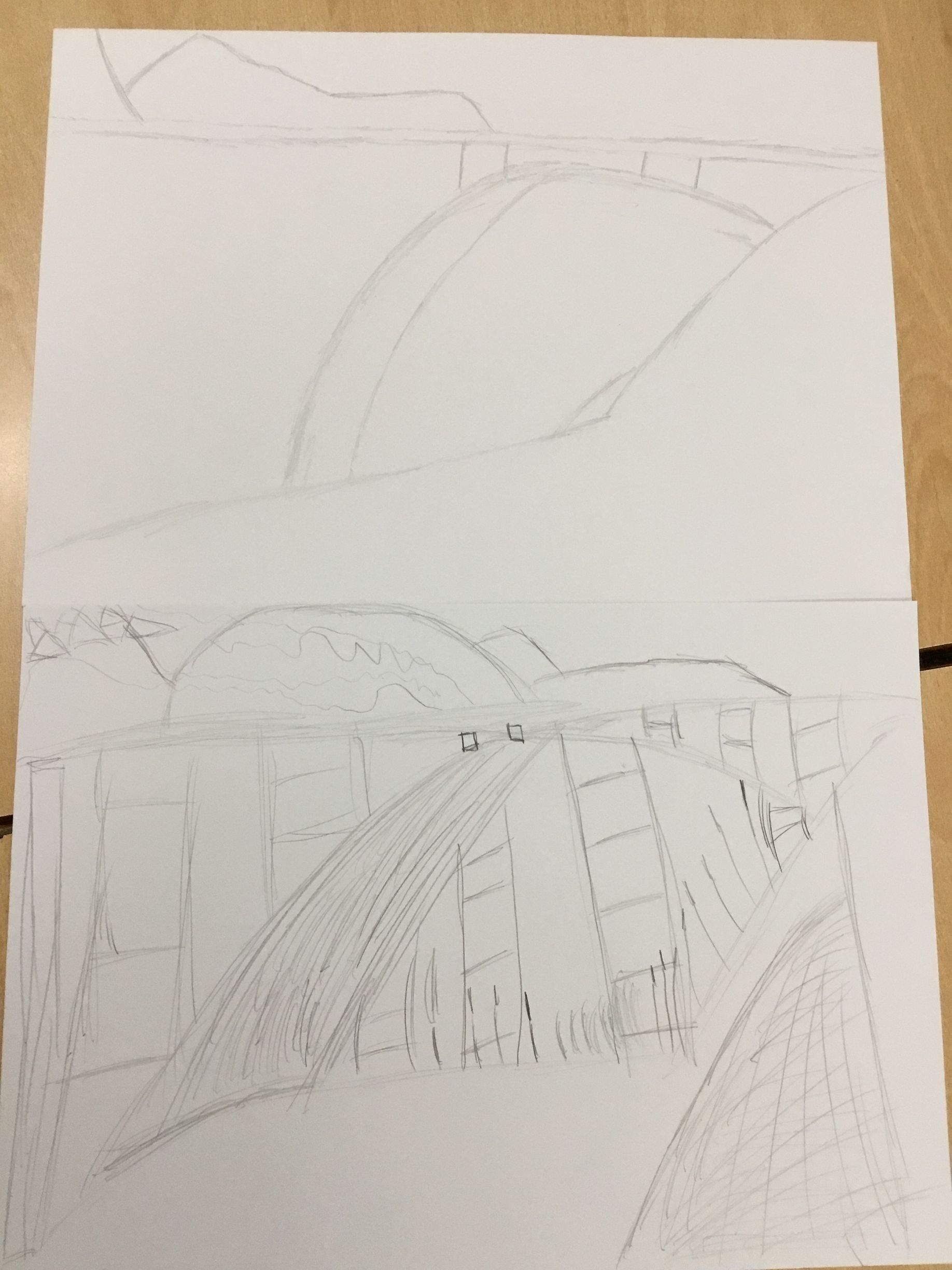
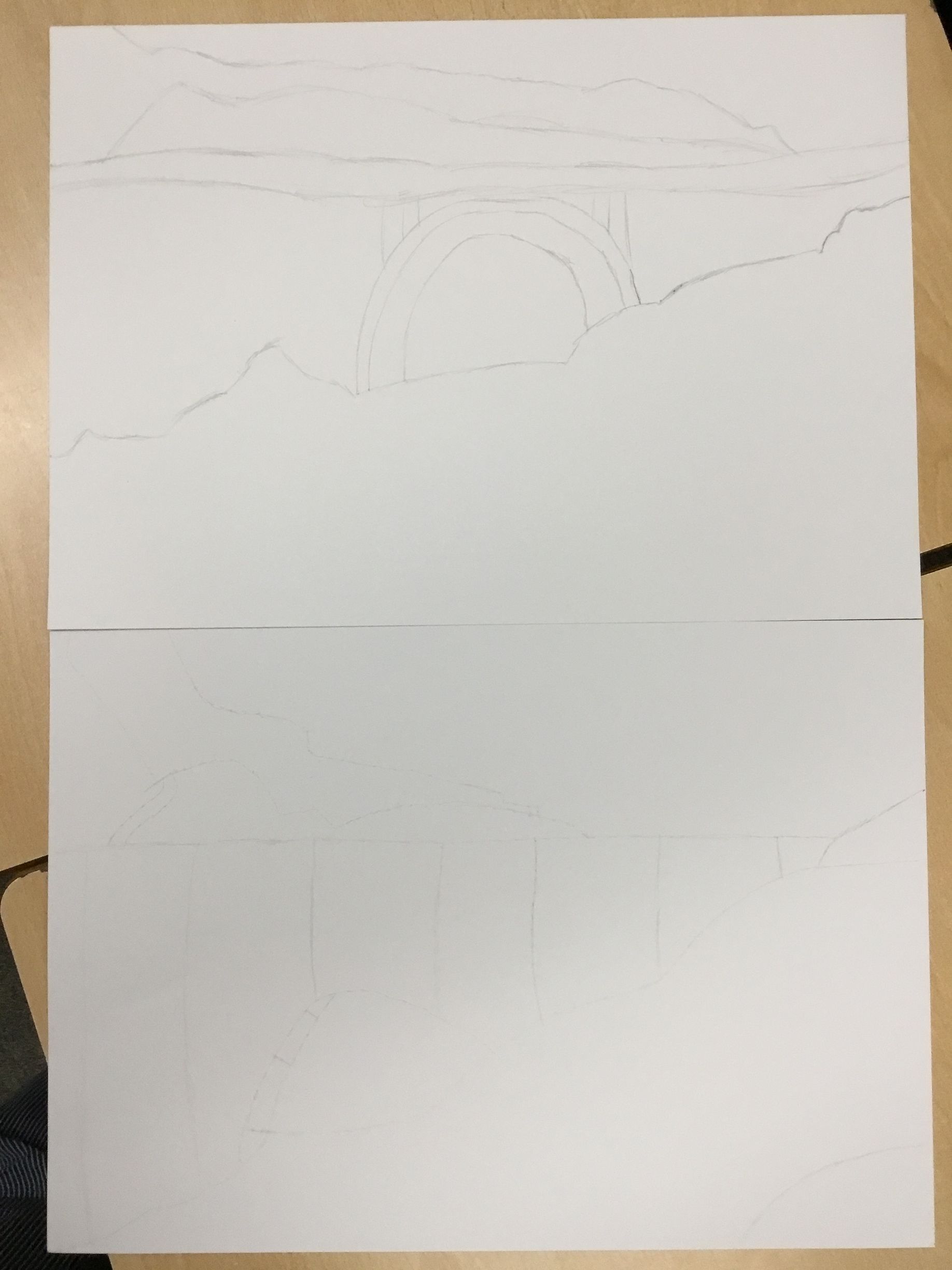
In Art, we have started a big project. Step one is to do an outline drawing of a photograph that shows a foreground, a middle ground and a background. This will then be cut into the three sections, painted and reconstructed as a three dimensional picture. Keep watching this space to see it develop.
WC 10th November 2025
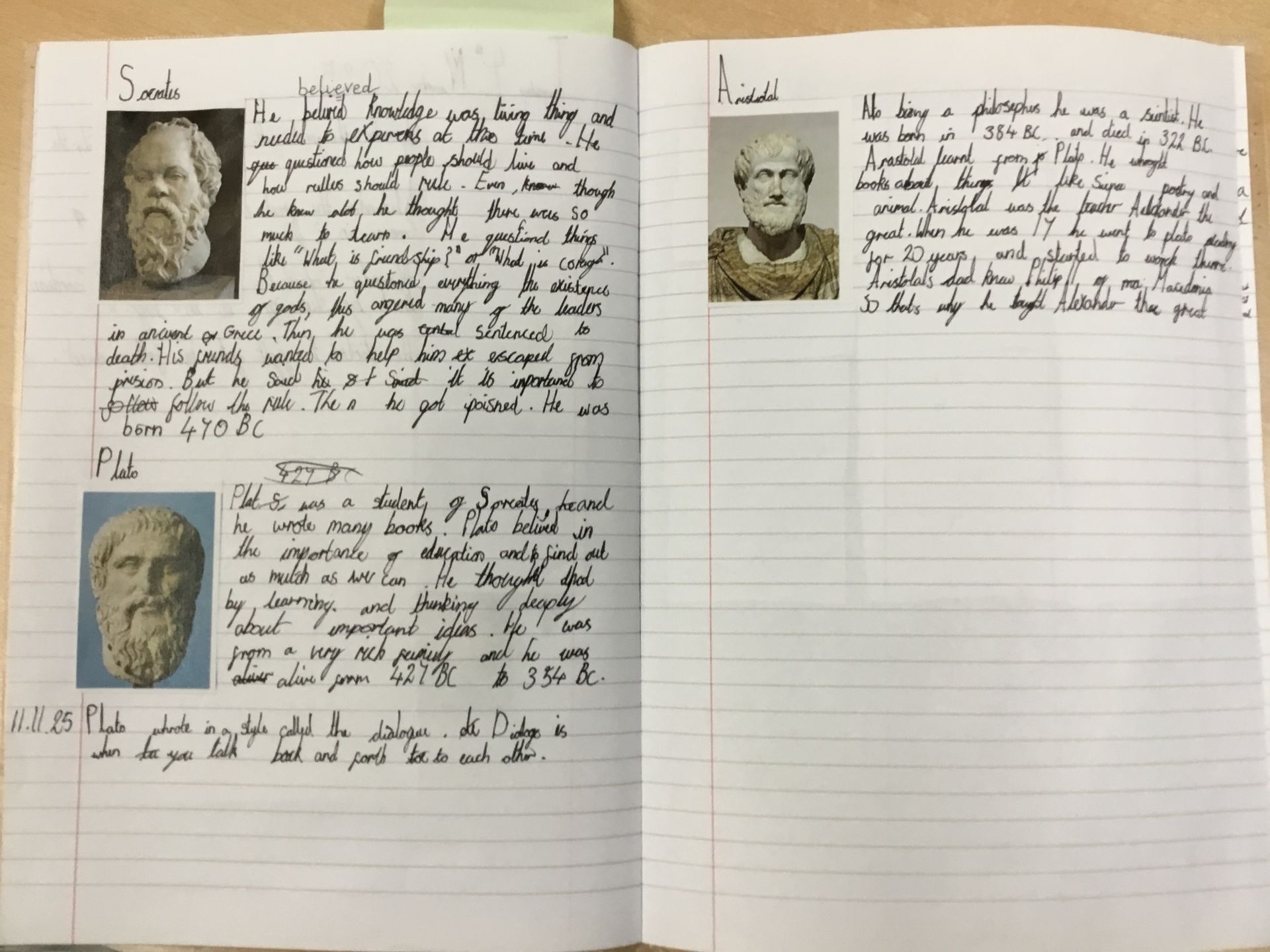
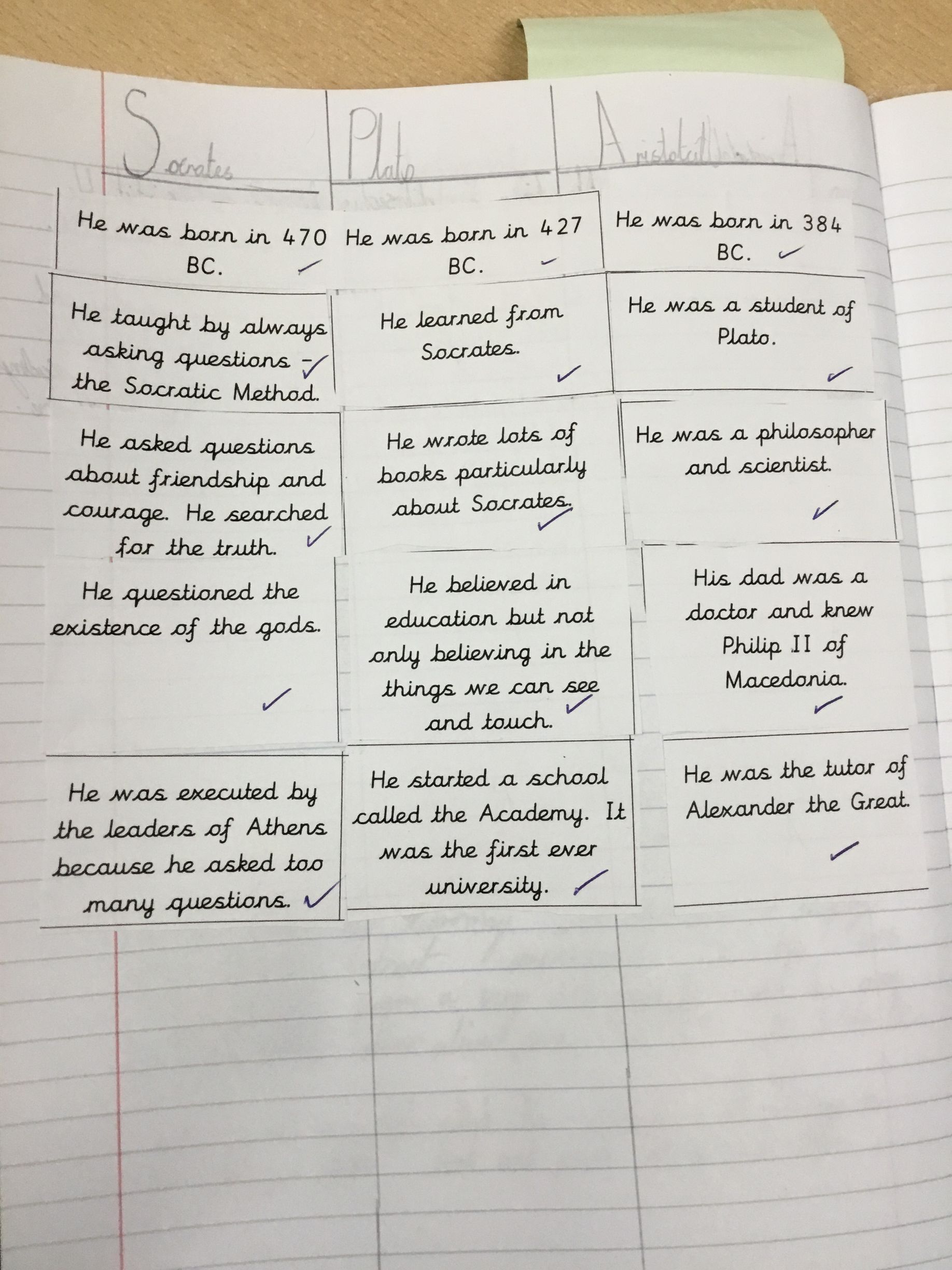
In history, we have been learning about the great Greek Philosophers, Socrates, Plato and Aristotle. We gathered information about them and took notes to be able to complete the task. We then used our notes to sort information about the philosophers. We have been thinking about how the philosophers thought in other lessons, using the Socratic method to ask lots of why questions to help us to think deeper.
Nature's Symphony
WC 20th October 2025
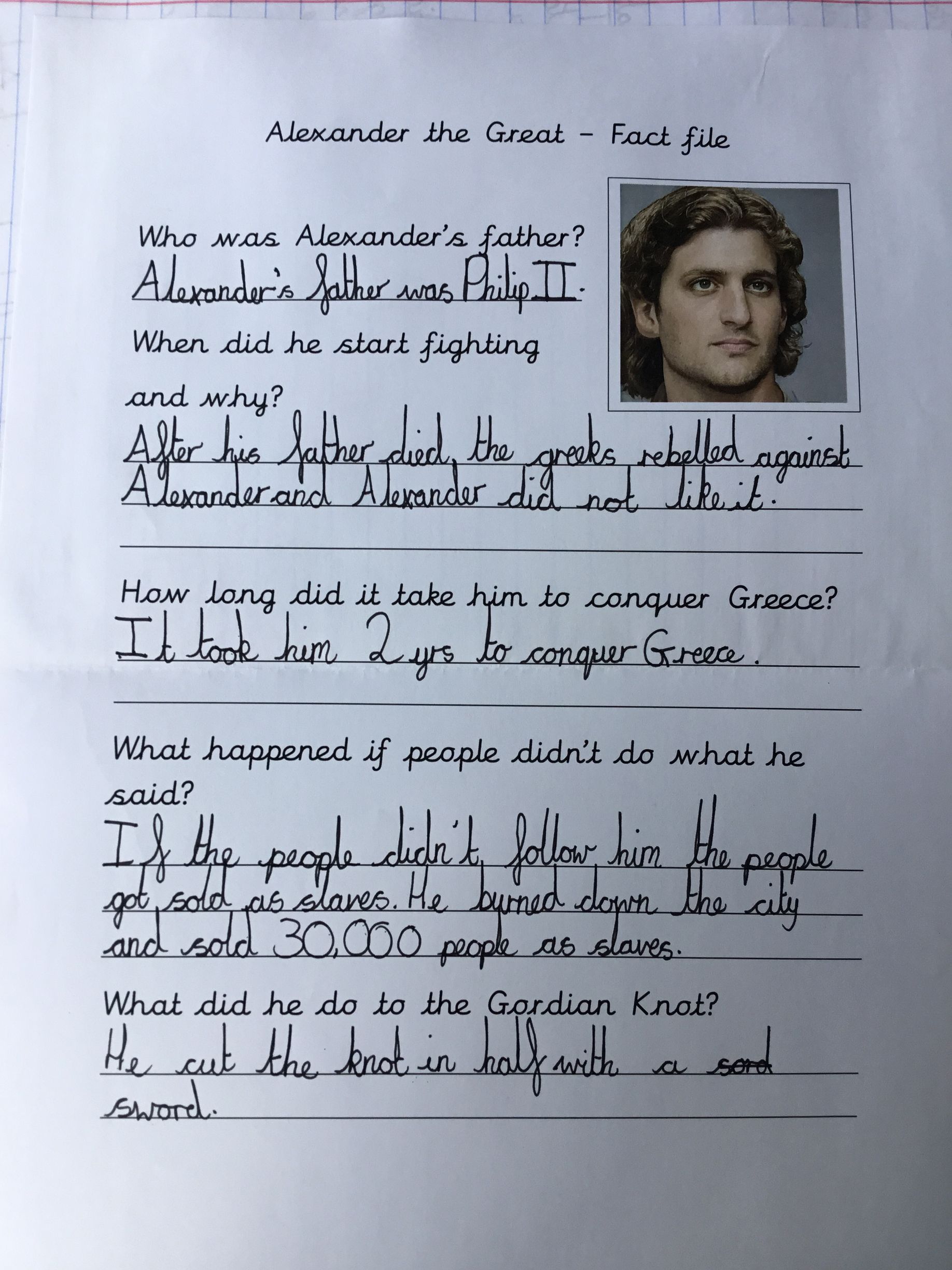
In history, we have been learning about the Persia Wars, where the Greeks fought against the Persians. Alexander the Great was a Macedonian who wanted to unite the Greek city-states and defeat the Persians. We learned about how when some Greeks refused to join him, he burned down their city and sold them to slavery. We also learned about the myth of the Gordian Knot, which foretold of great power being bestowed onto the person who could untangle it. Alexander the Great simply drew his sword and sliced it in half, showing his intelligence and ruthlessness.
In English, we have finished the first part of our narrative writing. The children have reproduced their own version of the famous scene from Oliver Twist where he asks for more. They have shown excellent examples of how they can use speech, expanded noun phrases for a deeper level of description and a variety of sentence structures to make their writing more varied.
-
![]()
Nature's Symphony
Breathtaking colors of our planetButton
WC 13th October 2025
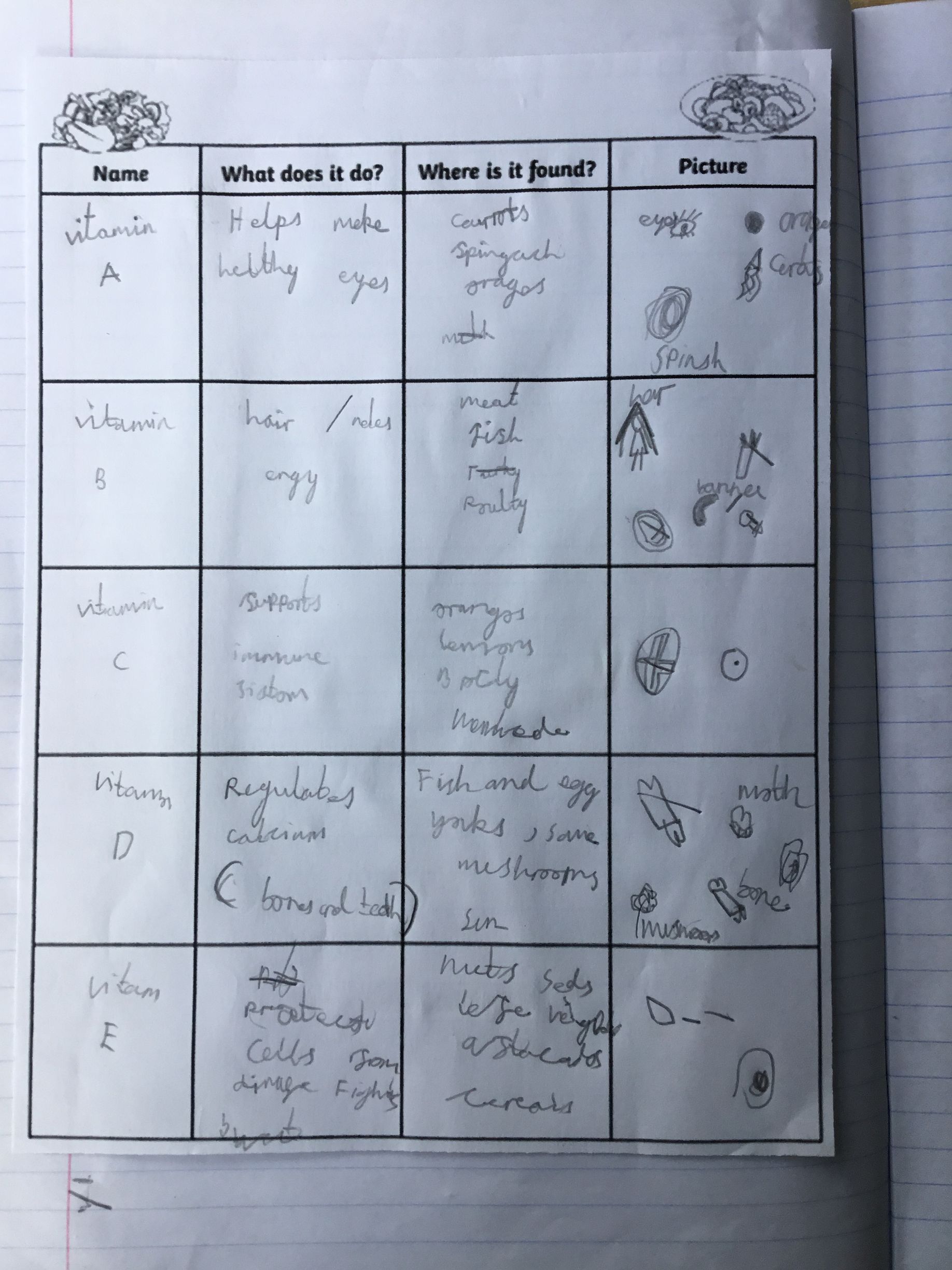
In science, Year 4 have been learning about vitamins and why they are necessary for a healthy body. They have thought about what foods will provide the vitamins and minerals that their body will need, and they have started to understand why their bodies need a balance diet.
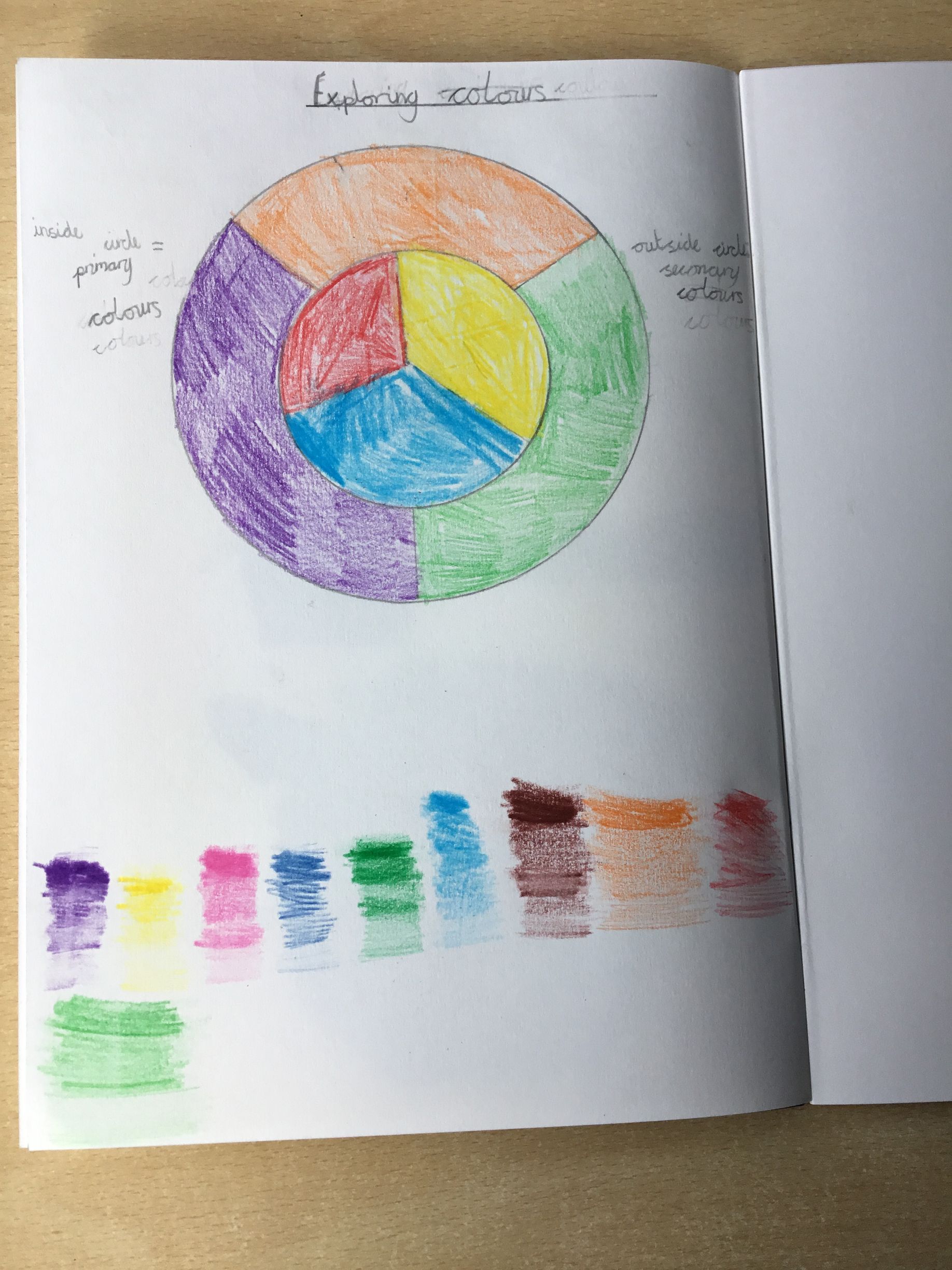
In art, we have been exploring colour. We understand from previous learning that red, yellow and blue are primary colours. We could all remember that the secondary colours are made by mixing the primary colours, for example, we mix yellow and blue to make green. We also thought about how we could achieve tonal changes by building up layers of colour.
Nature's Symphony
WC 6th October 2025
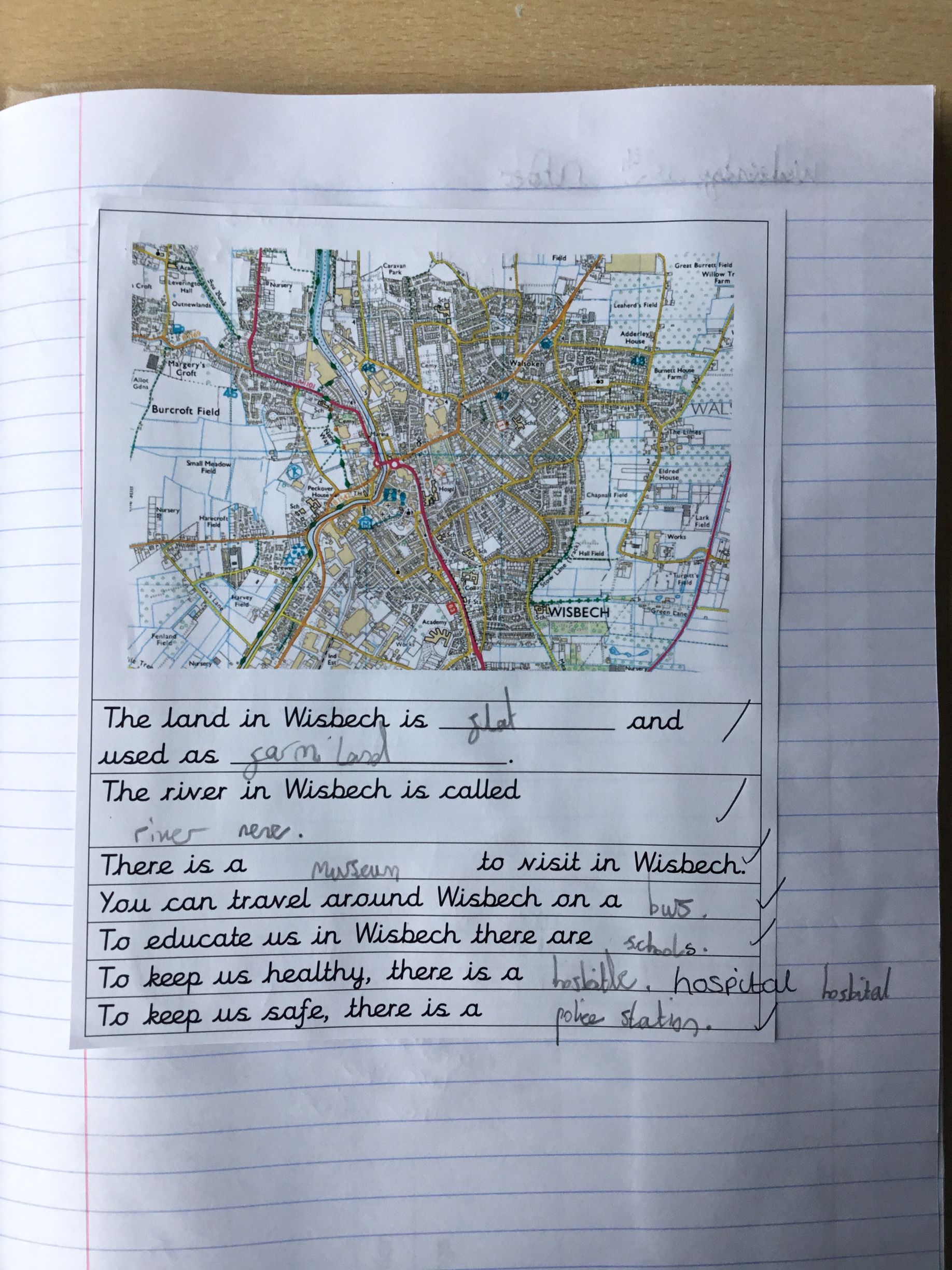
In geography, the children have been learning about their local area. They have recognised key features in and around Wisbech. They have looked at maps in previous weeks and have applied what they know to the local area.
Nature's Symphony
WC 29th September 2025
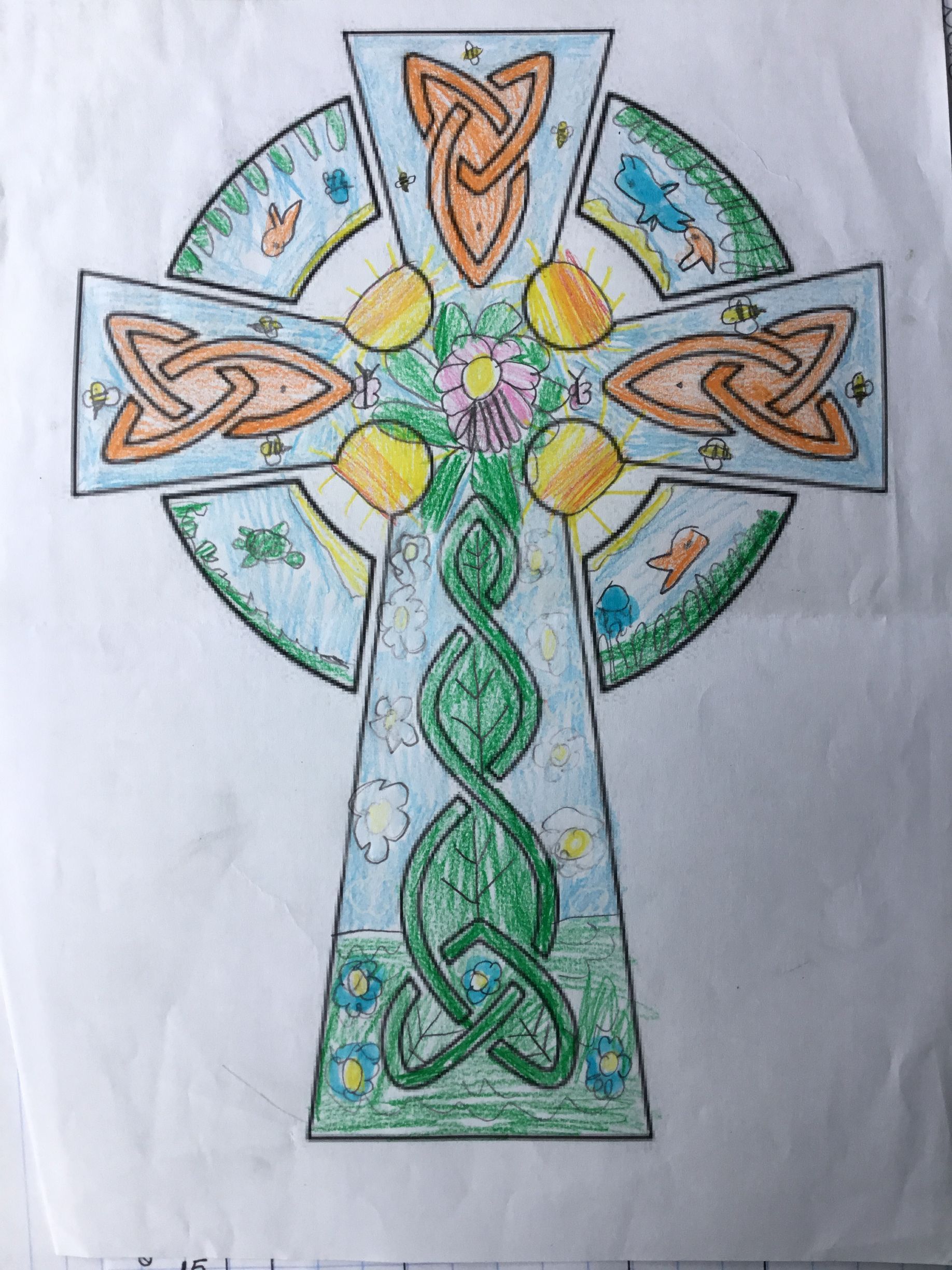
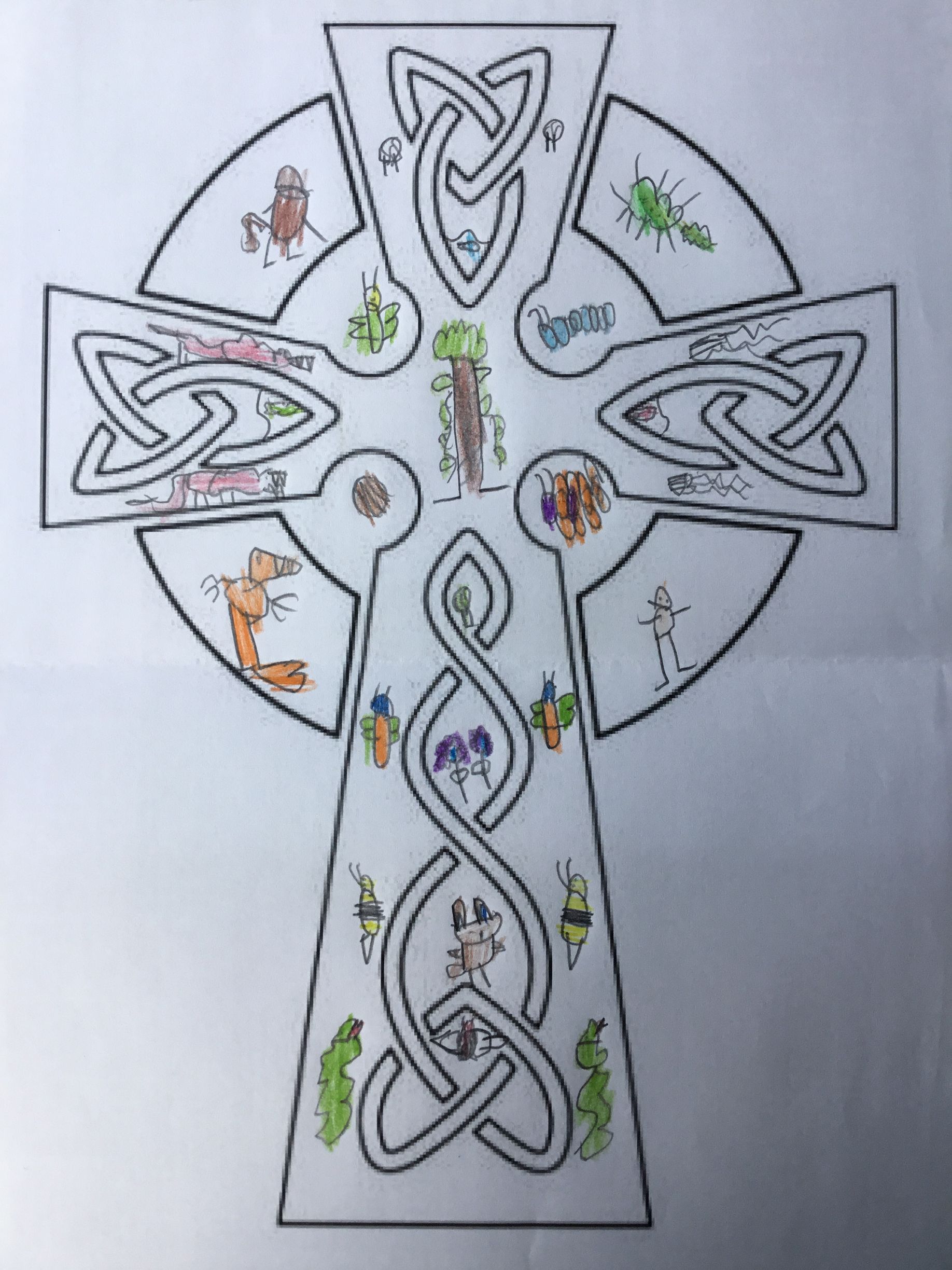
The unit title for our religious education this term is - what is religion? Up to now we have considered what it is that makes a religion and if spirituality is a type of religion. We have thought about our own worldviews and if everyone's worldviews are the same. We have found out that they are not, and that this is OK.
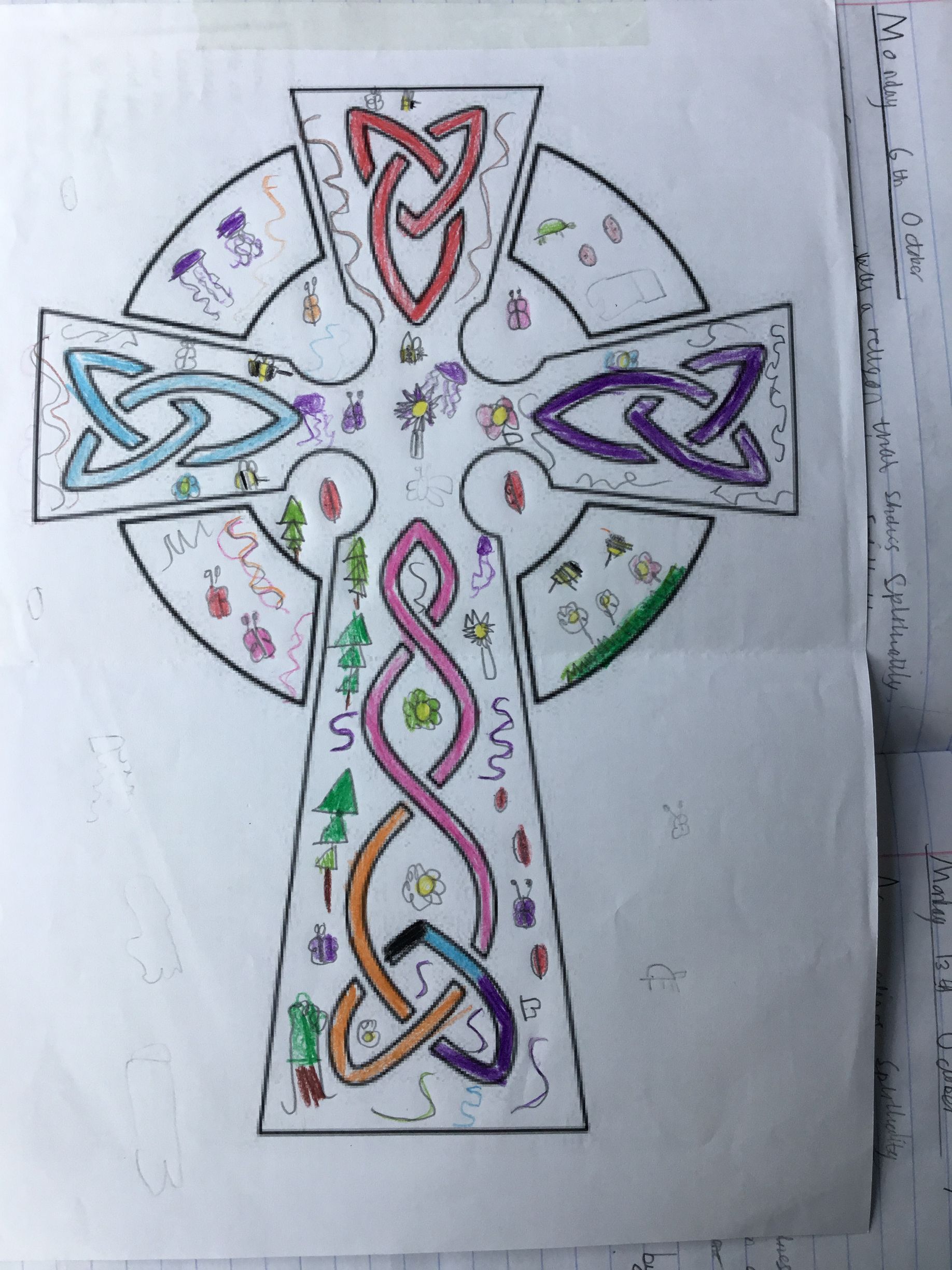
This week we have specifically thought about Celtic Christianity. This religion has combined Christian beliefs with influences of spirituality from the natural world. The art work from our lesson shows the combination of the Celtic Cross with images of animals and plants, fusing these two belief systems.
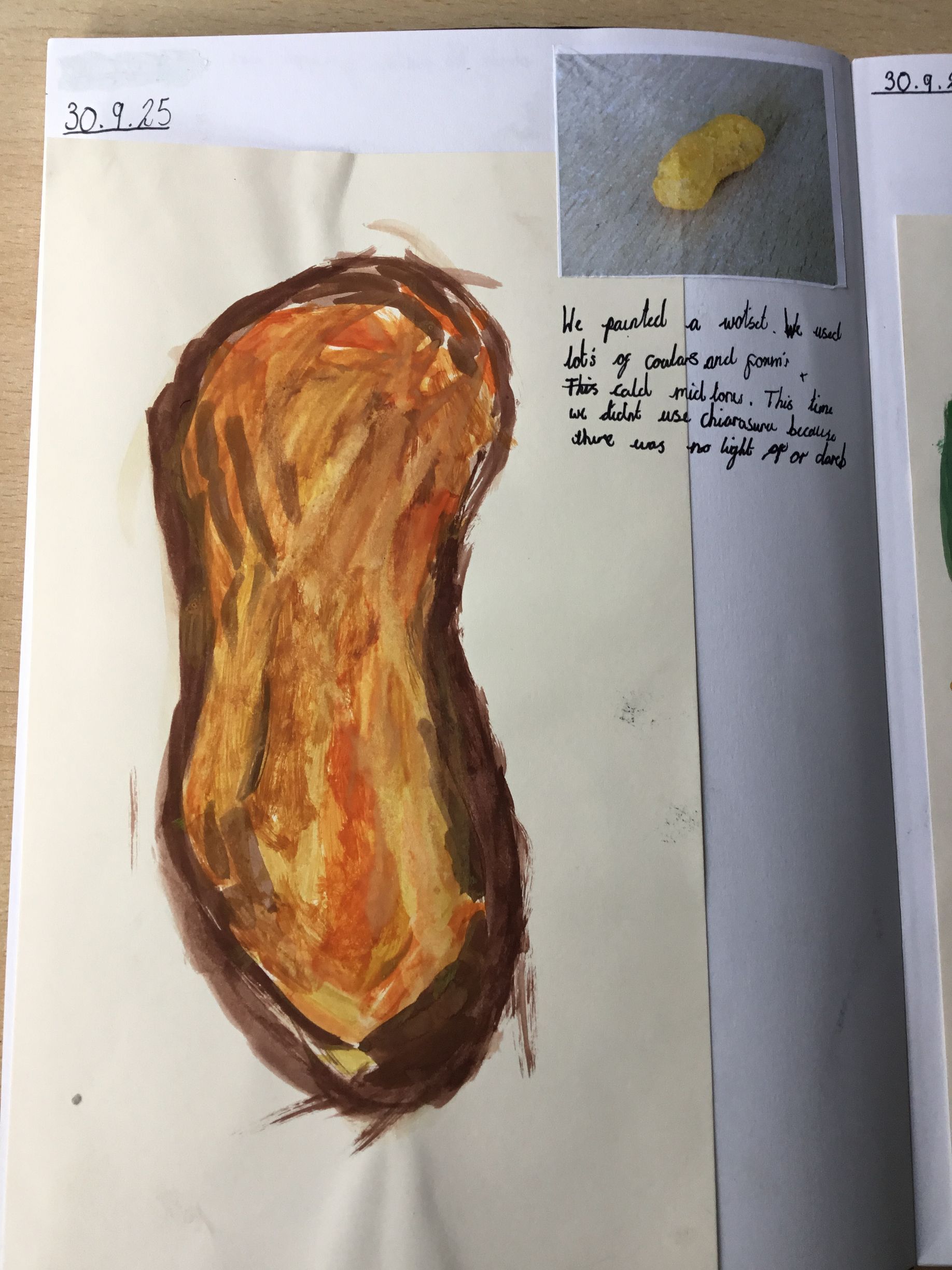
In art, we used paint to explore mid-tones. We used a cheese puff crisp as our subject, so that we mixed our paint only from a limited palette.
Nature's Symphony
WC 22nd September 2025
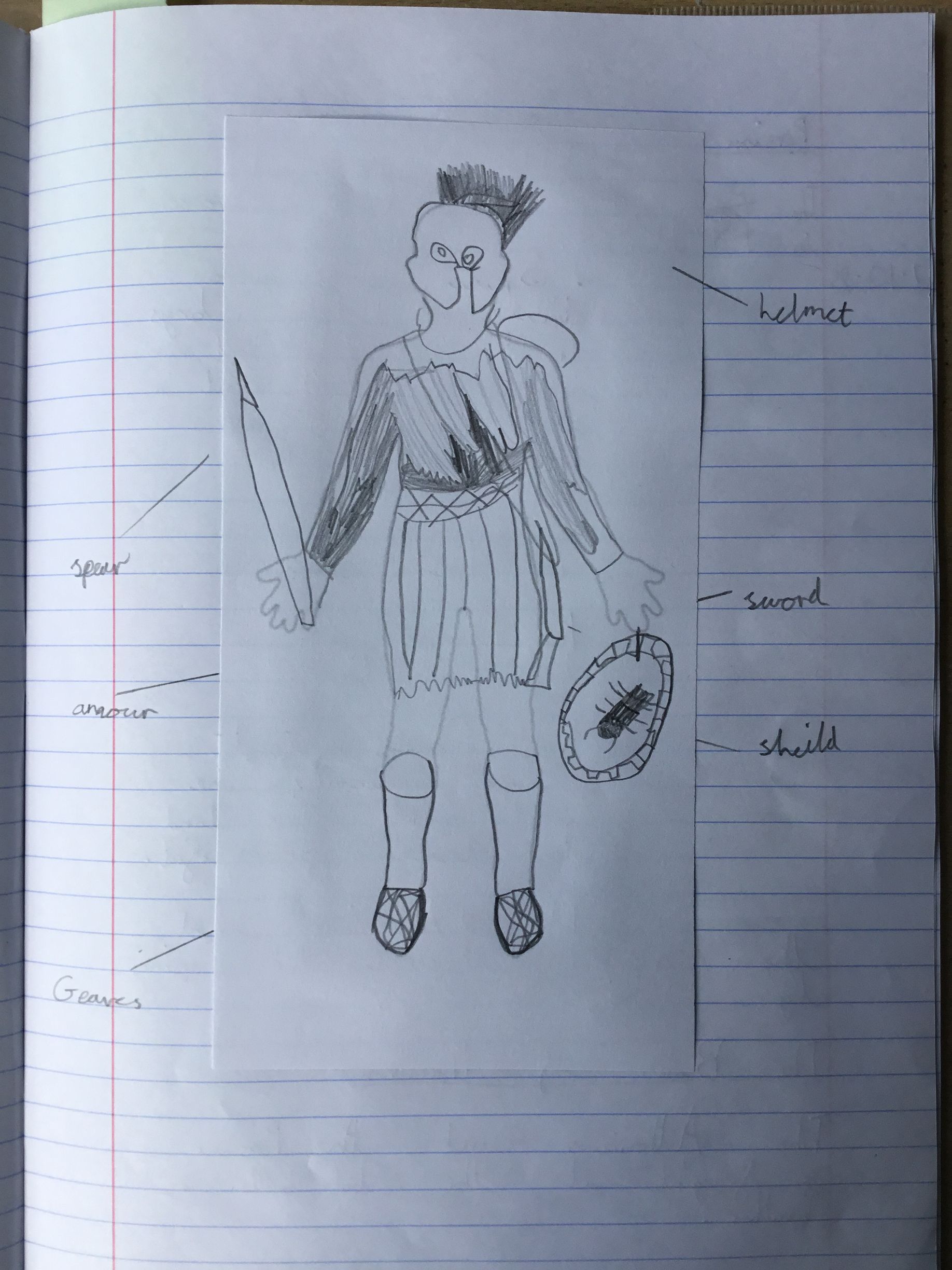
In history, we have been learning about the Spartans as part of our unit on Ancient Greeks. We have learned how they began their training at 7 years old. They were treated quite cruelly in order to toughen them up. They were taught how to fight, and steal, and survive in terrible conditions. They were the greatest warriors of the Greek world because of their brutal training.
Nature's Symphony
WC 15th September 2025
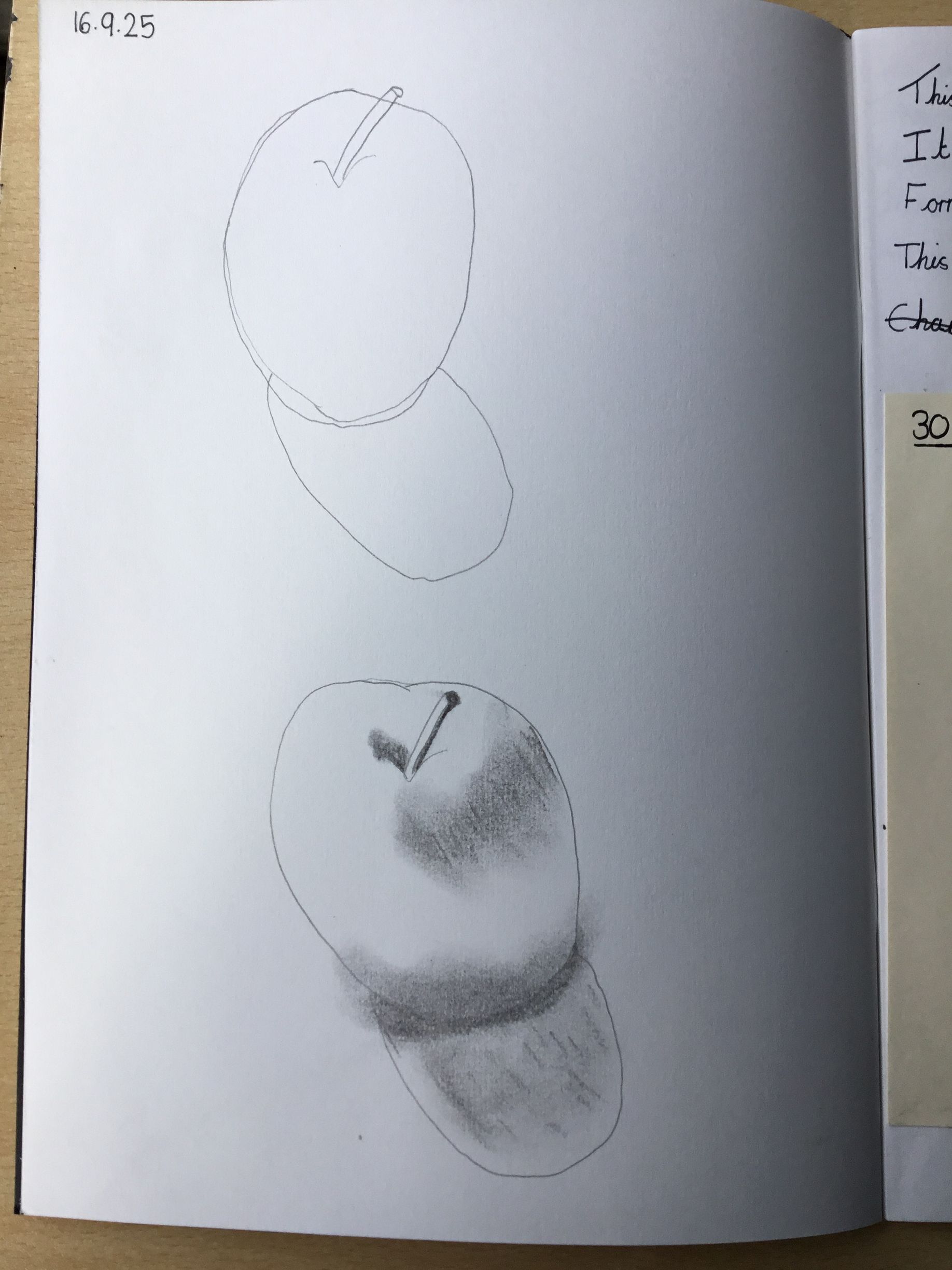
In art, we are going to be thinking about light and shadow, the effectiveness of chiaroscuro and tonal changes in our work. We began by thinking about the form of the object which we were drawing, without any shading. We reproduced the form for a second time, but then we added shading with charcoal and highlighting with chalk. We considered the direction of the light source and how this would create a shadow.
In English, we have started to write a biography of Charles Dickens. This will help us to understand the themes in the novel Oliver Twist.
Nature's Symphony
WC 8th September 2025
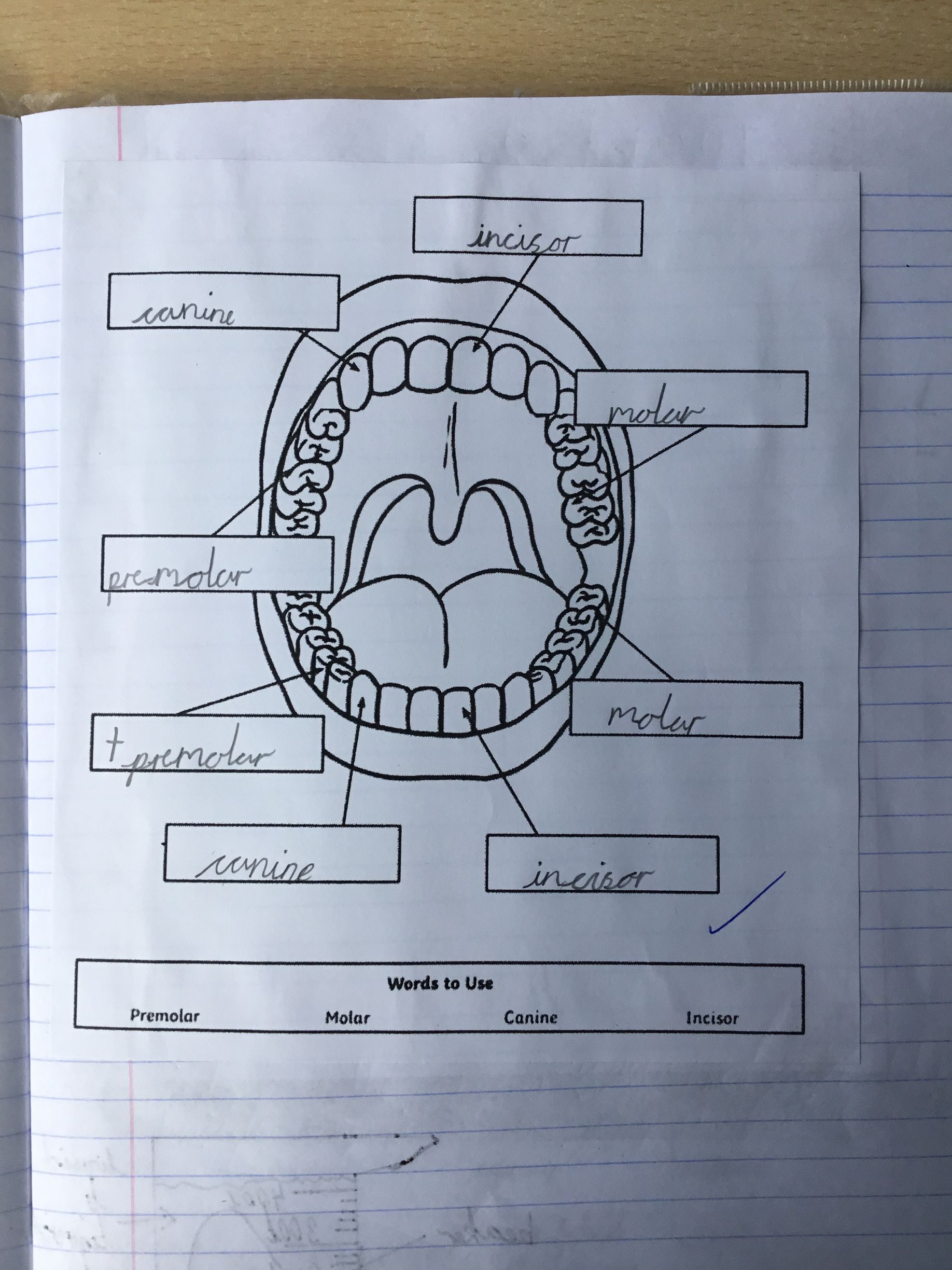
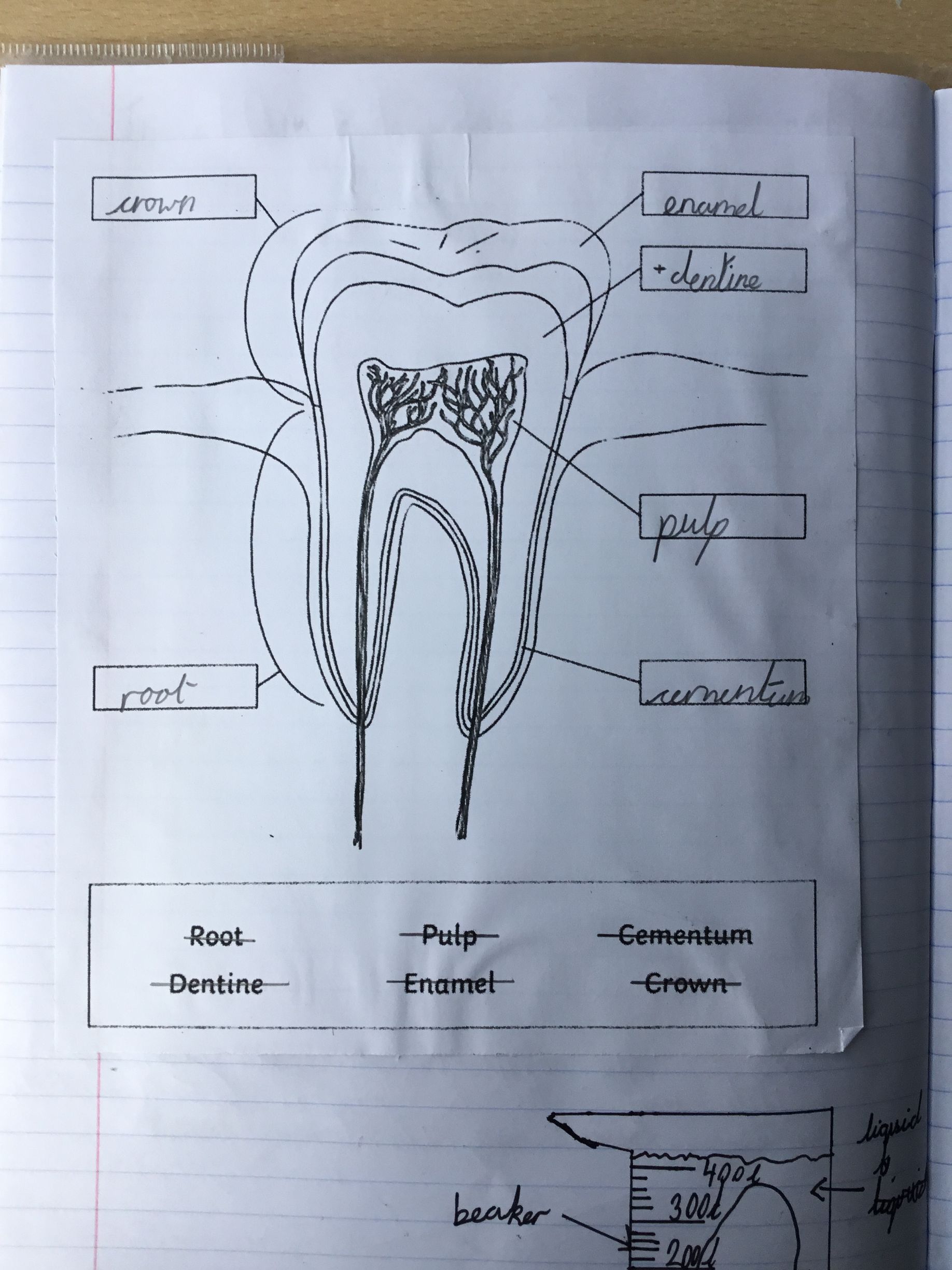
In science, Year 4 started the term by recapping their knowledge of teeth which they had learned in Year 3. They then extended their knowledge by looking at the structure of a tooth.
In English, we started reading and learning about Charles Dickens, who is the author that we will be studying this term through his novel Oliver Twist.
Our whole class reading is also connected to this, as we learn about the Victorian era, the workhouse, what Victorian schools were like and Queen Victoria.
Nature's Symphony
Curriculum visits and enrichment activities:
Coming Soon
Coming Soon
Coming Soon
Coming Soon