Year 6
Our class blog
Week commencing: 04th May 2026
Ready, Set, SATs! ✏️🌟
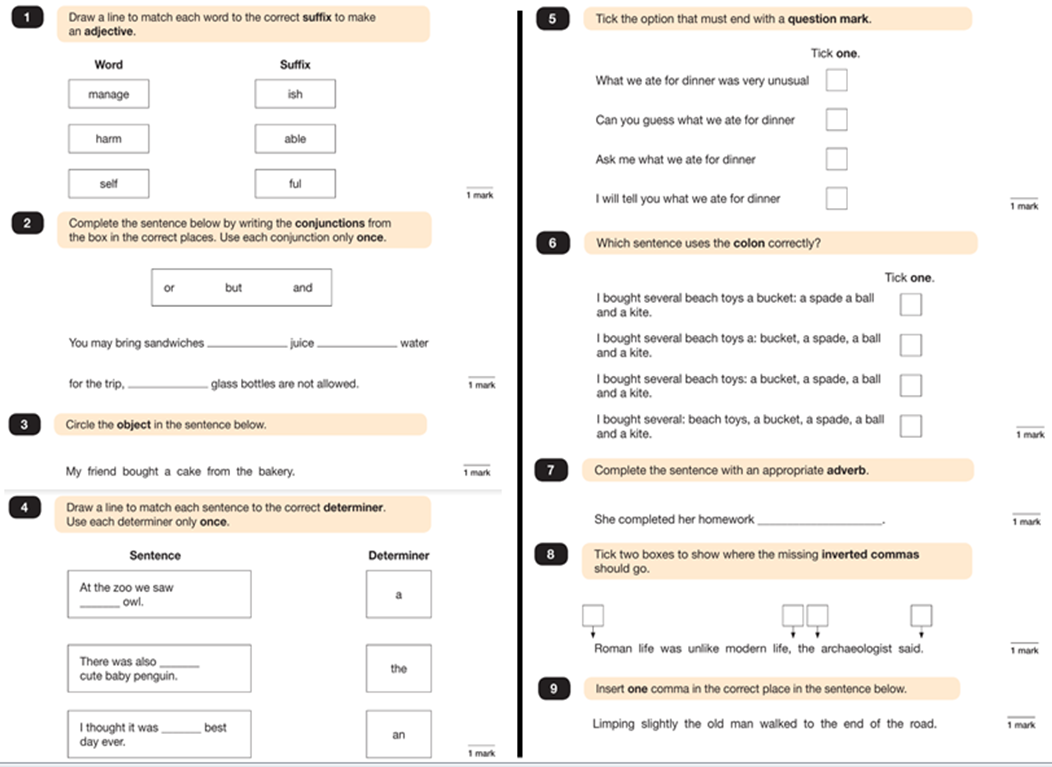
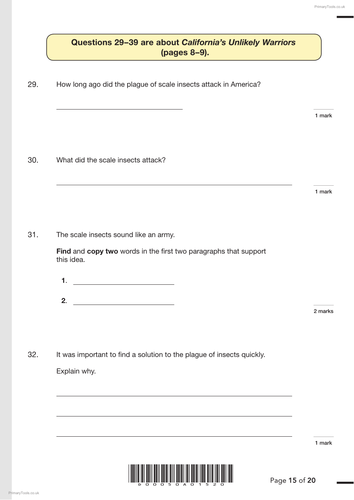
This week, Year 6 have been busy preparing for their SATs, putting in a fantastic final push with their revision. 💪📚
They’ve approached every task with focus and determination, building confidence and strengthening their skills ready for next week.
We are so proud of all their hard work — they are more than ready to shine! 🌟✨
Week commencing: 27th April 2026
We’re Mean-ing Business in Maths 📊😄
Year 6 have been working incredibly hard in Maths this week, with a strong focus on Statistics. 📈
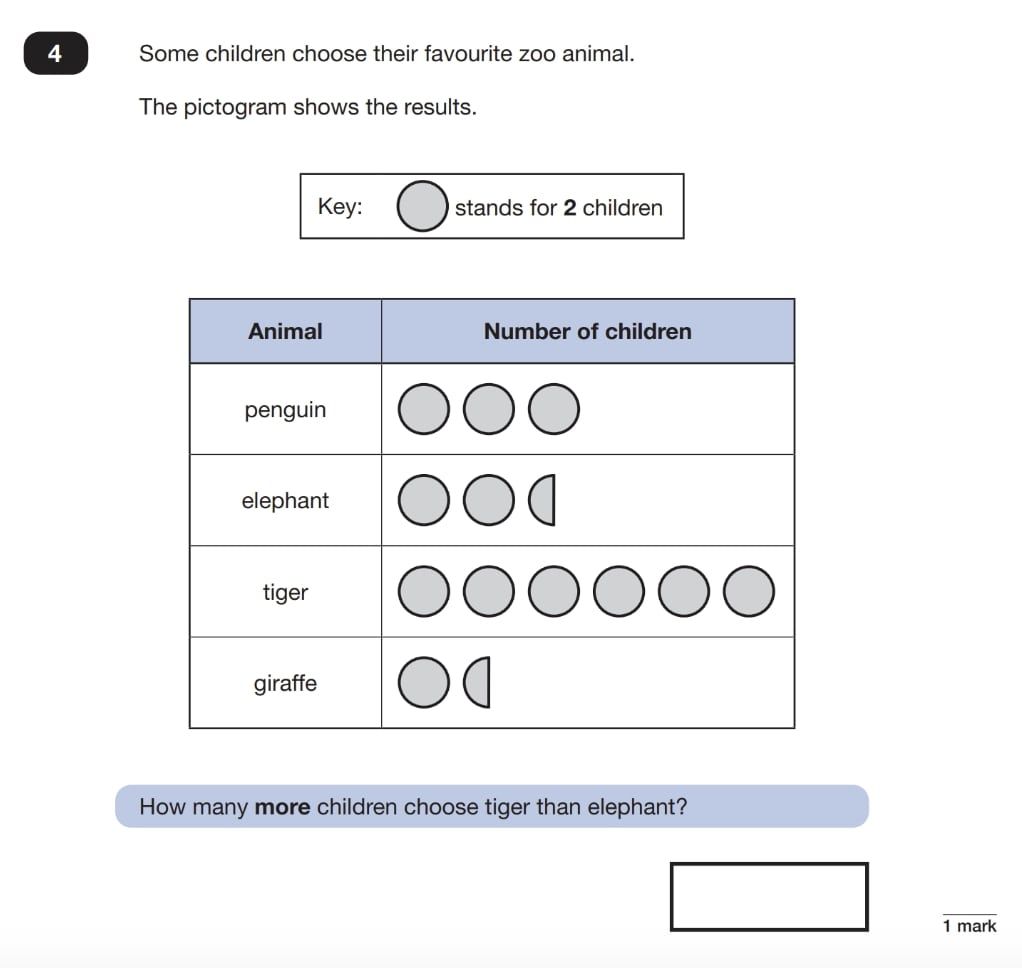
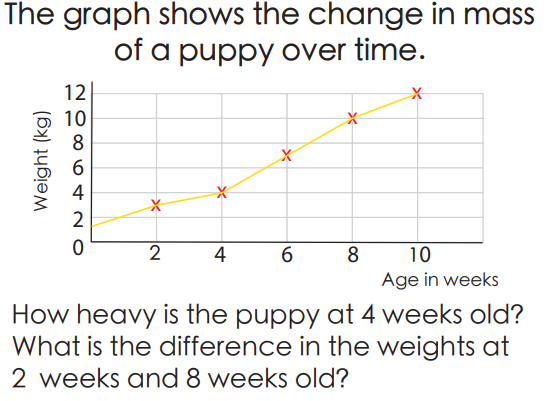
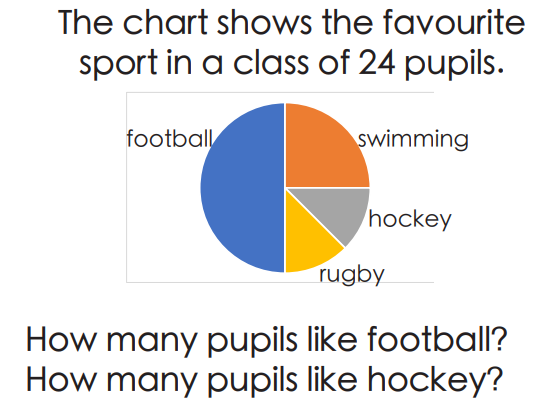
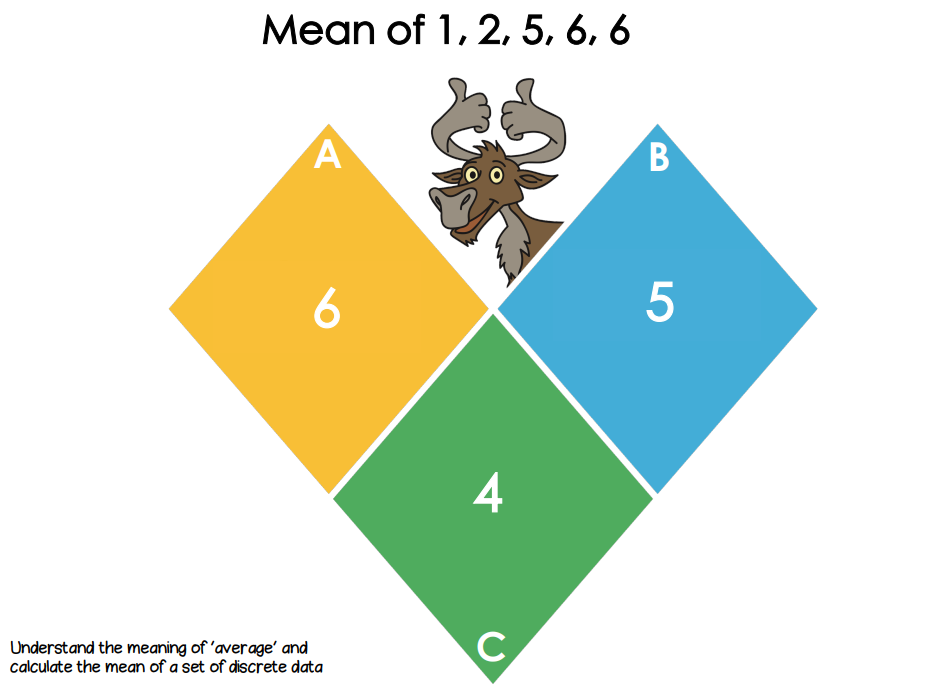
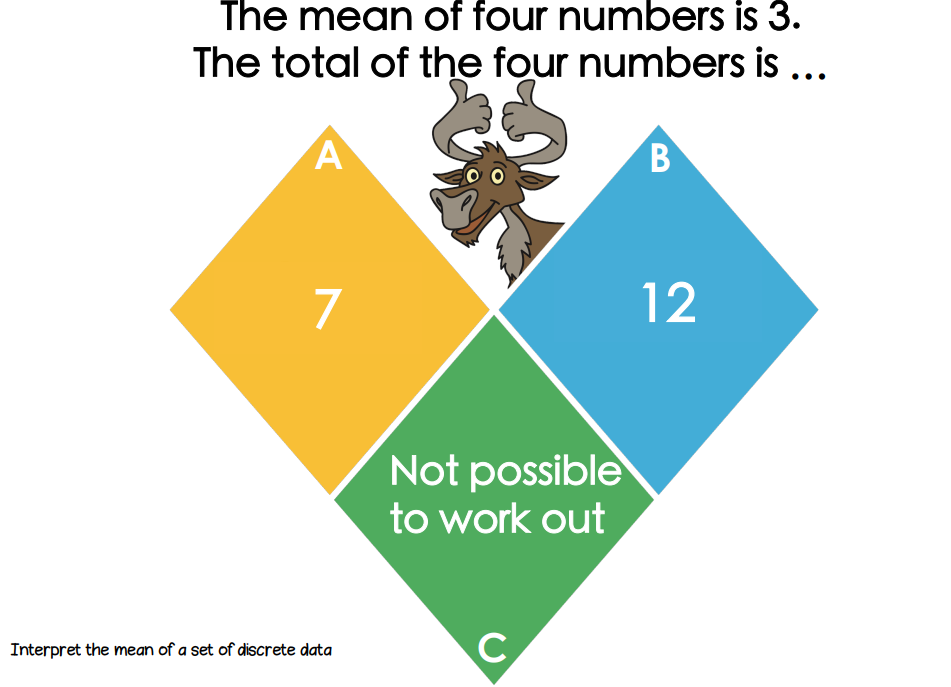
The class have been developing their skills in understanding and interpreting a range of graphs, including line graphs and pie charts. They’ve shown great focus when analysing data, answering questions, and explaining what the information tells us. 🧠📉 Alongside this, pupils have been learning how to calculate and understand the mean, building confidence with applying their knowledge to different problems. It’s been fantastic to see them tackling challenges with determination and growing in confidence each day. 💪✨
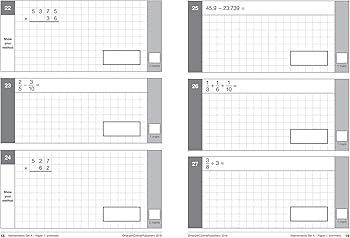
Keep up the brilliant work, Year 6 — you’re making great progress! 🌟 Can you solve these problems -->
Week commencing: 20th April 2026
On the Right Bus for Smart Choices 🚌✨
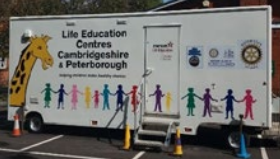
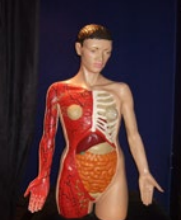
Year 6 had a fantastic visit from the Life Bus, and Louise, this week as part of their PSHE learning. 🌟
During the session, pupils explored how to look after their physical and mental health, including learning about the effects of different substances on the body. They also discussed peer pressure, group dynamics, and the importance of making positive choices. A key takeaway was understanding how to be an ‘active bystander’ — supporting others and standing up for what is right. 💪
We were really impressed with the maturity and thoughtful discussions from Year 6 throughout the session! 🌟
Week commencing: 13th April 2026
A Brilliant Start to the Summer Term 📚✨
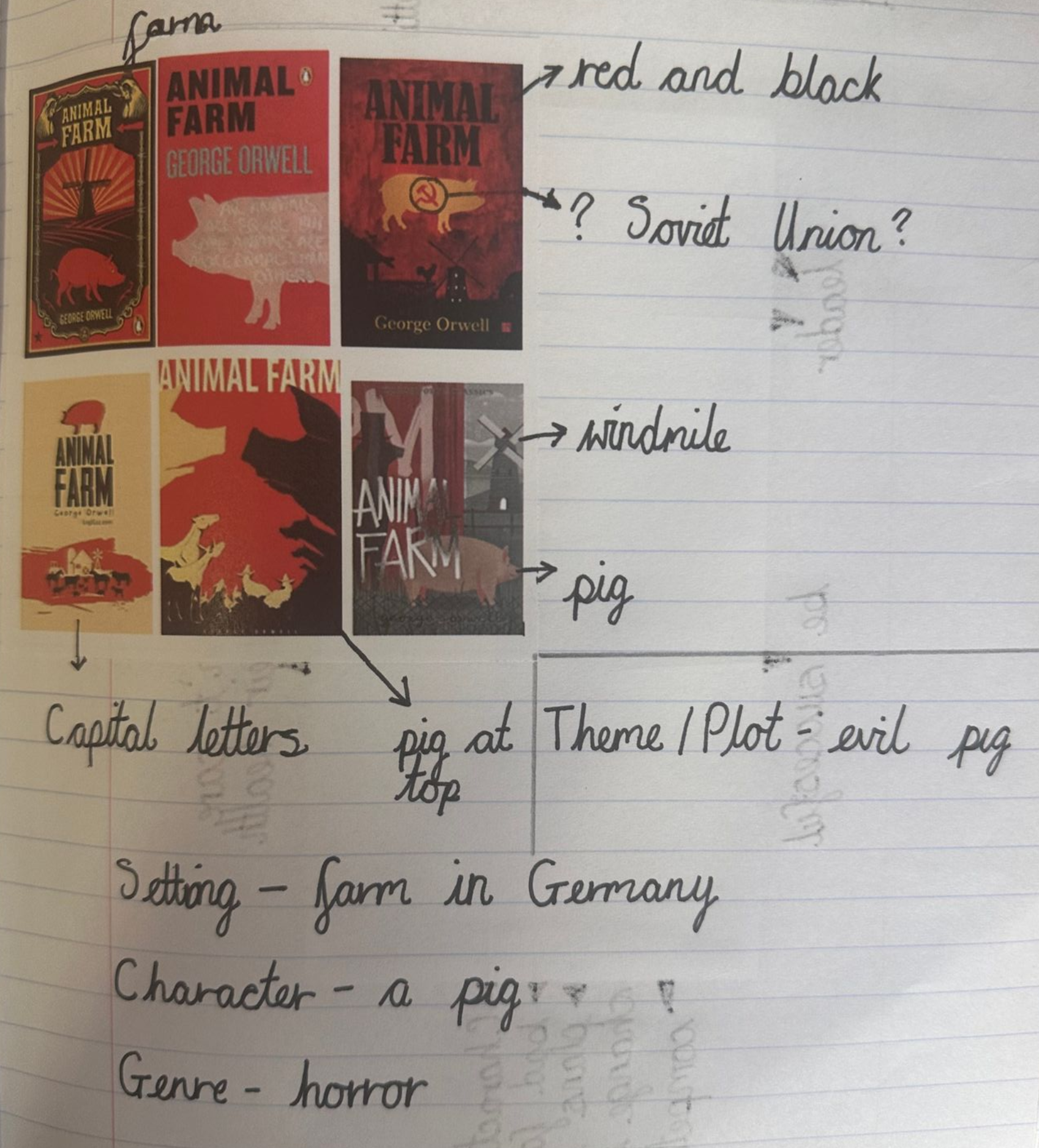
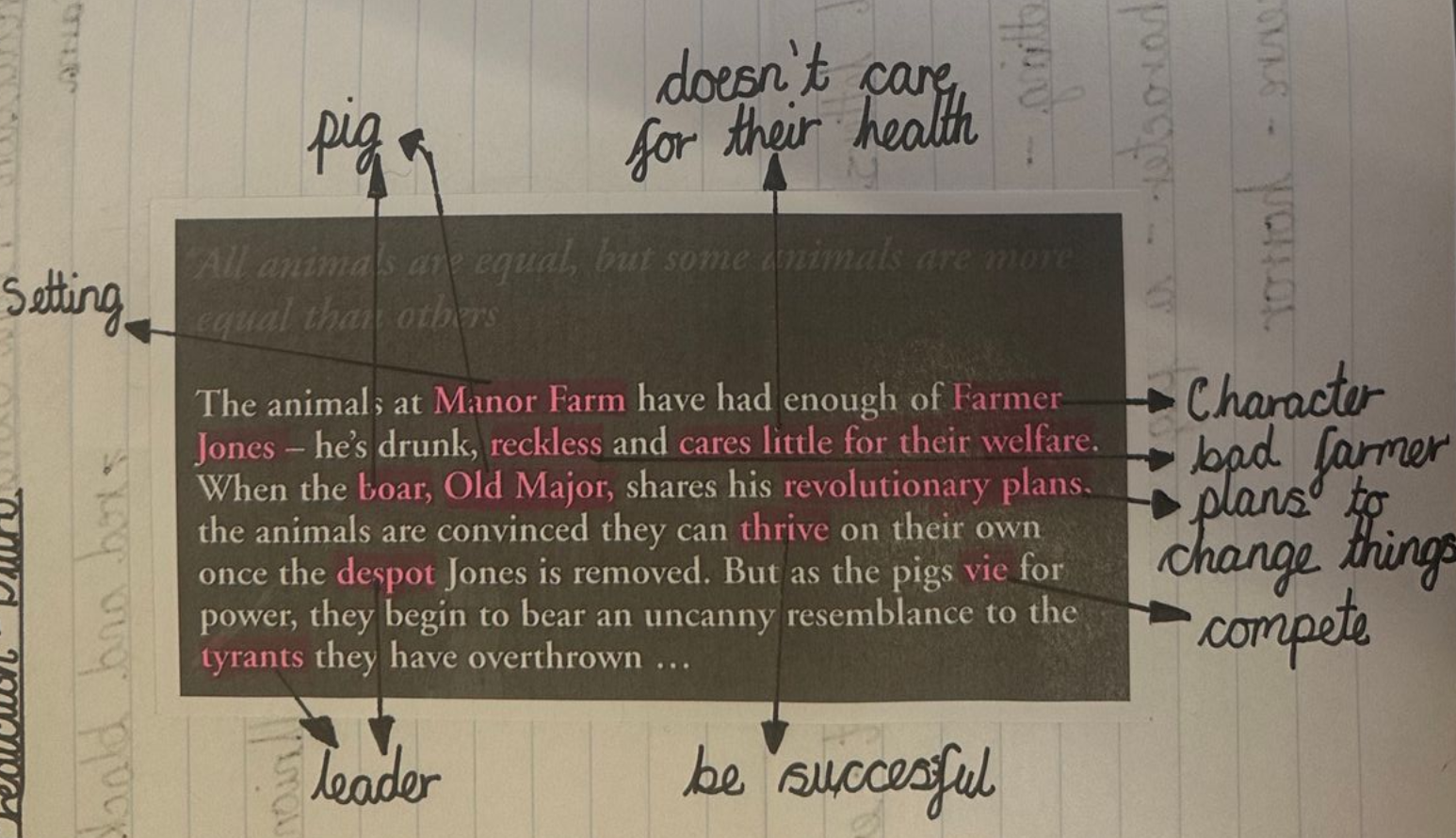
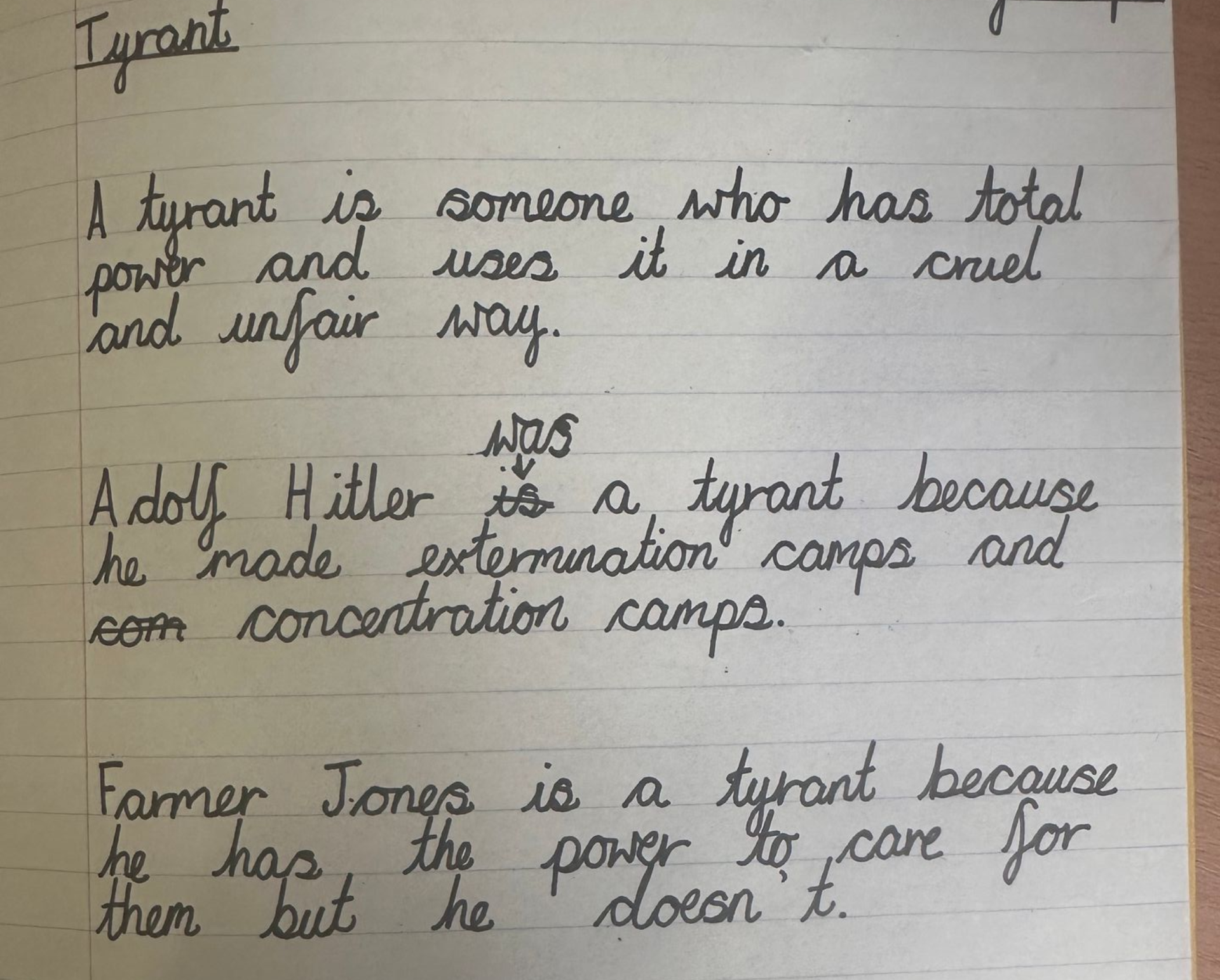
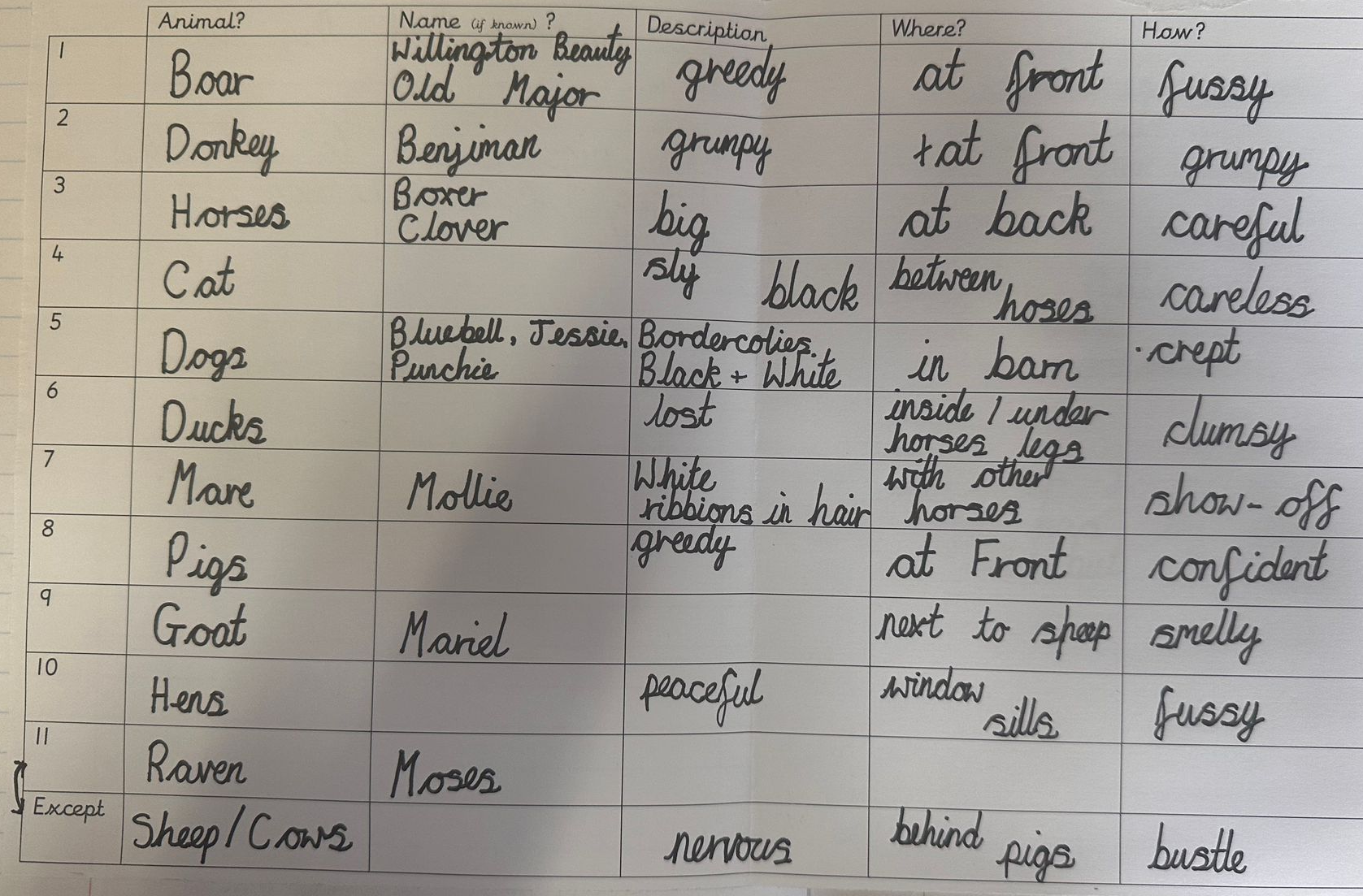
This week, we have begun exploring Animal Farm by George Orwell, sparking lots of curiosity and thoughtful discussion. The class started by carefully analysing the front cover and blurb, using clues to make predictions about the story, characters, and themes.
We were so impressed by the depth of ideas shared — from identifying possible messages behind the imagery to making links with what they already know. The pupils showed great enthusiasm and confidence, listening to each other and building on ideas together. 🧠💬
We can’t wait to delve further into the story in the coming weeks. If this first lesson is anything to go by, it’s going to be an exciting and thoughtful journey! 🚜🐖✨
Easter Holiday
Happy Easter - relax and reset 🐣🌸✨
We’ve reached the Easter holidays — and what a fantastic term it’s been! 🎉 Year 6 have shown incredible effort, determination, and resilience, continuing to build confidence and make great progress in their learning.
The pupils should feel extremely proud of everything they’ve achieved so far. From tackling challenging work to supporting each other every step of the way, Year 6 have truly impressed us. 💪📚 Now it’s time for a well-deserved break — a chance to rest, recharge, and enjoy some Easter fun!
We’re excited to see everyone return refreshed and ready for the final push. The finish line is in sight, and we know you’ll approach it with focus and confidence. Have a wonderful Easter break, Year 6 — keep believing in yourselves! 🌟🐰✨
Week commencing: 09th March 2026
Journey to the River Sea 📚🌿
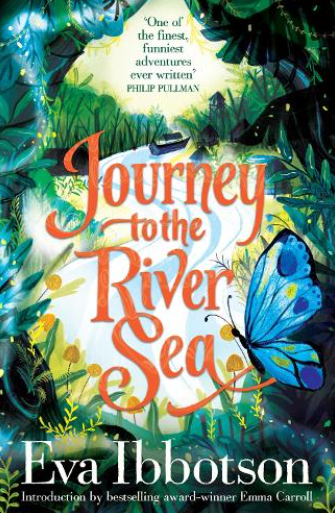
In Whole Class Reading, Year 6 continued reading Journey to the River Sea by Eva Ibbotson. We read Chapter 18, where the tension in the story really started to grow 😲.
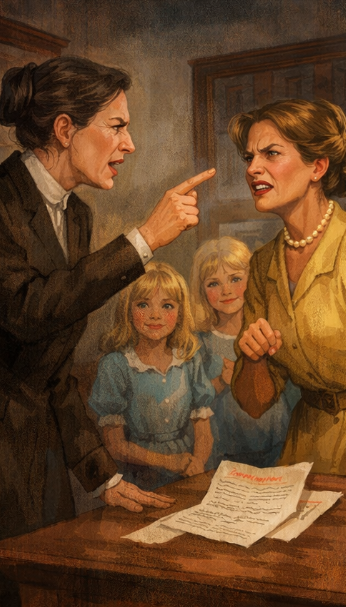
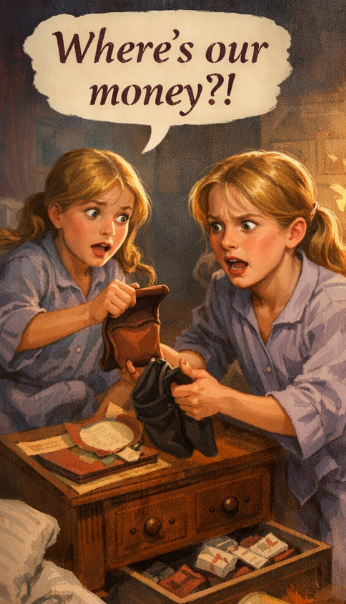
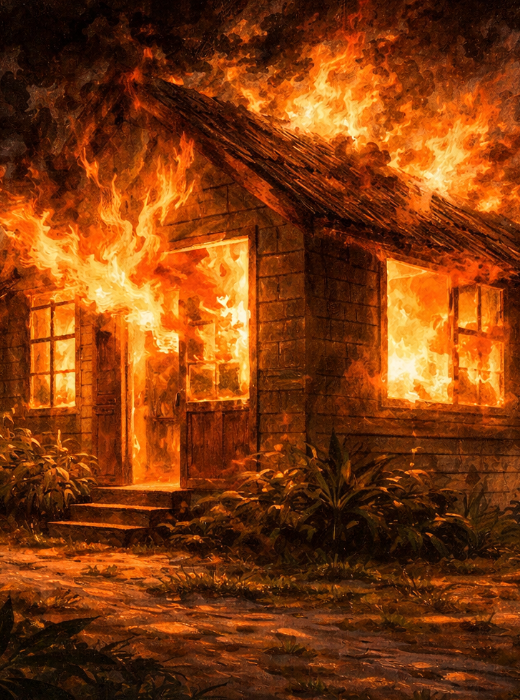
The twins refused to put their reward money in the bank even though the Carter family were having serious money problems. Miss Minton also acted very mysteriously and had a disagreement with Mrs Carter. Things became even more dramatic when the twins thought their money had been stolen, which caused chaos in their room 🔥. A fire then started in the bungalow and quickly spread through the house. The chapter ended on a huge cliff-hanger with the house in flames and Mr Carter collapsing! 😱
The class were incredibly excited while reading and have already started sharing lots of theories about what might happen next 🔍💭.
Week commencing: 05th March 2026
Year 6 Science – Inheritance and Evolution 🧬🐾
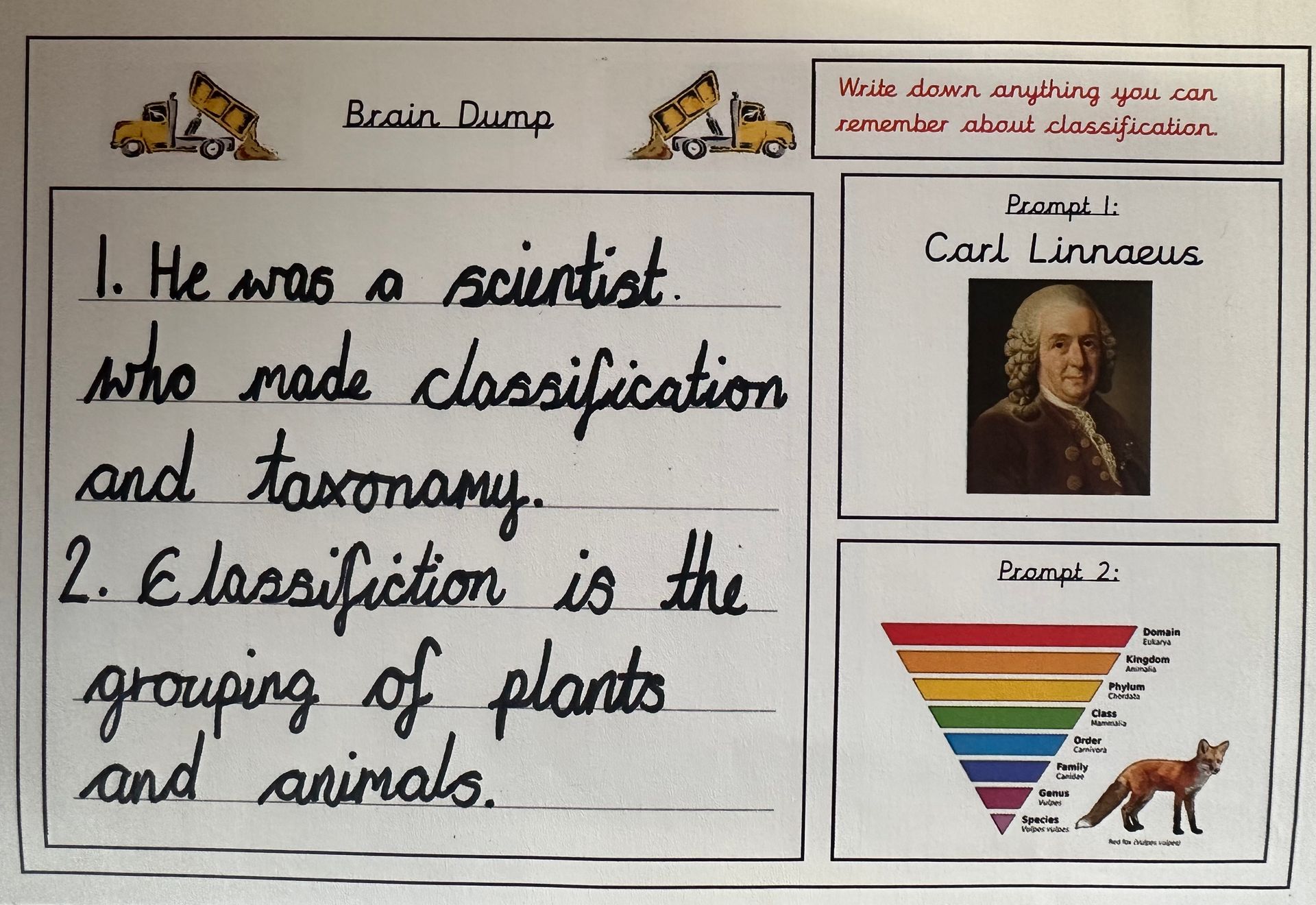
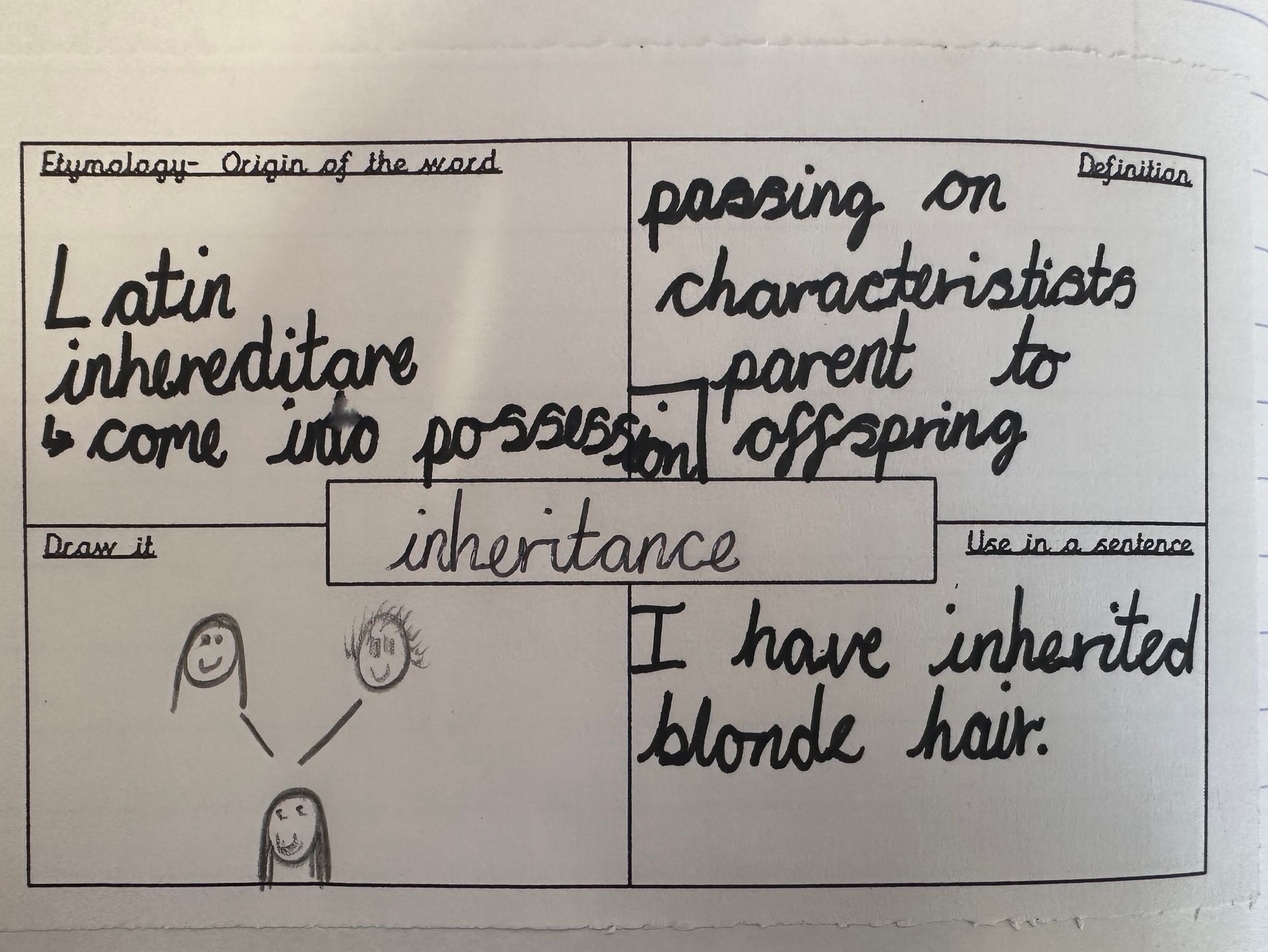
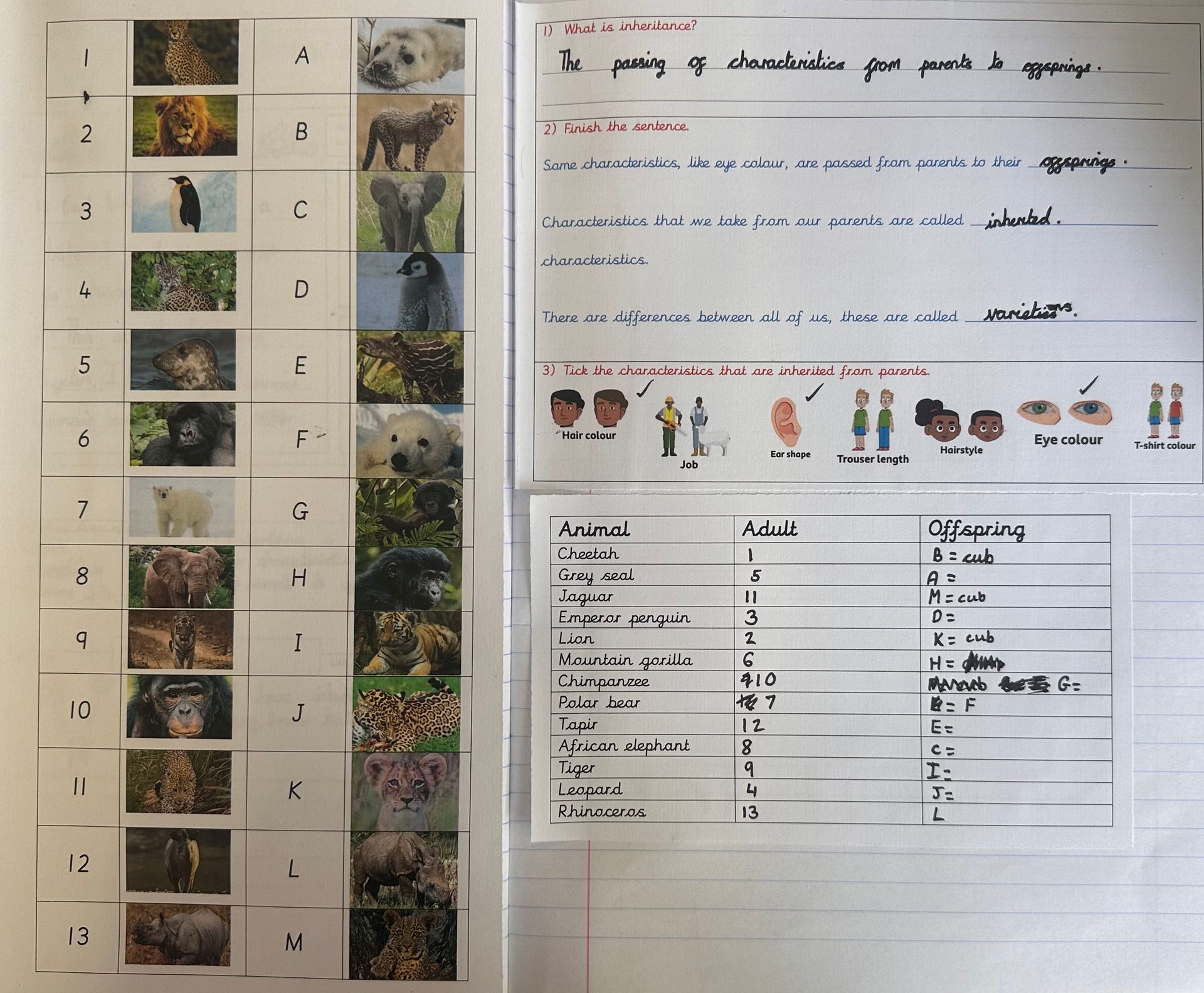
This week in Science, Year 6 learned about inheritance and variation.
We explored how offspring are usually similar to their parents, but not identical. This is because characteristics are passed from parents to their children through inheritance.
We also learned about variation, which means that even within the same species there can be differences in characteristics. This helps explain why individuals may look or behave slightly differently. Finally, we discussed evolution, which is the change in inherited traits over time 🌍.
The class enjoyed thinking about which traits might be inherited and sharing examples of similarities between family members! 👨👩👧

Week commencing: 23th February 2026
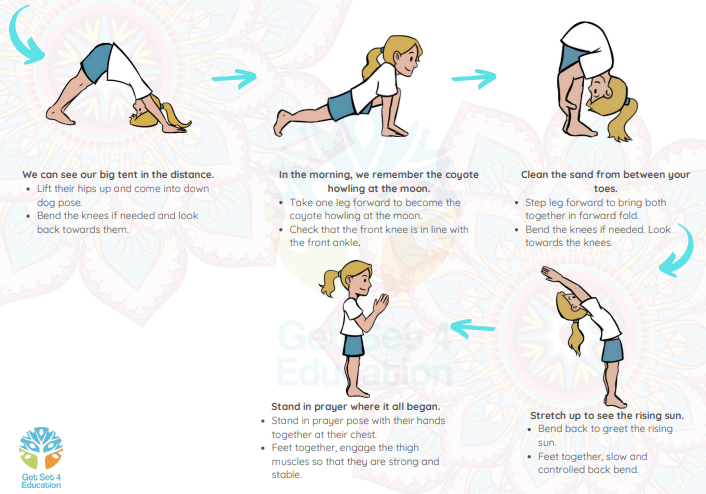
Sun Salutation Yoga 🧘♀️☀️
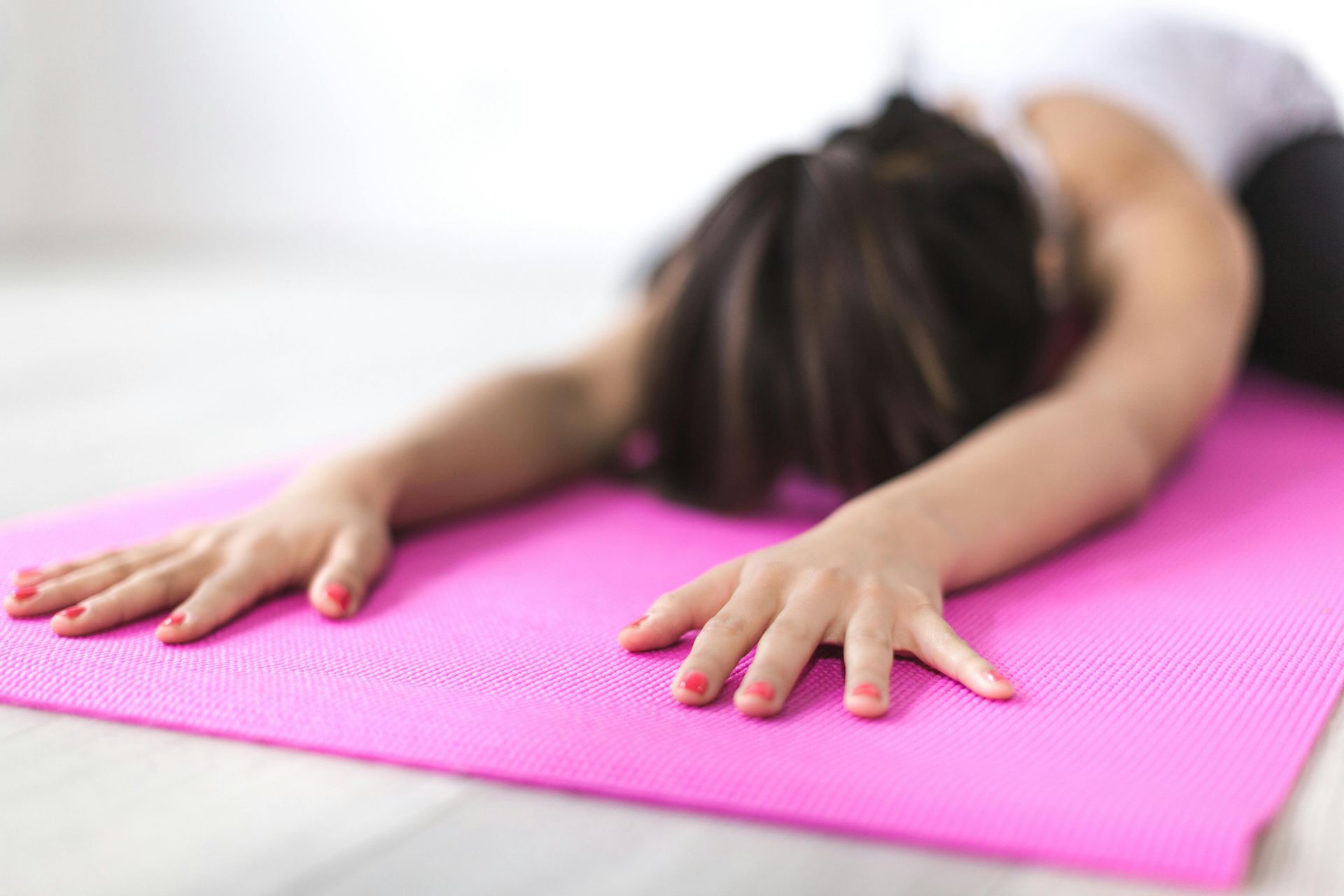
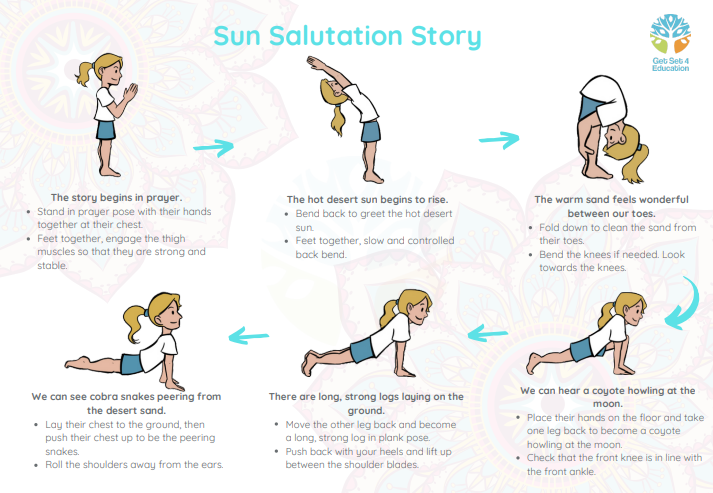
This week in PE, Year 6 learned the Sun Salutation yoga flow to help develop flexibility 🤸♂️.
We practised moving smoothly from one pose to the next and focused on matching our movements with our breathing 🌬️. This helped us stay calm and in control of our bodies. During the lesson we also thought about which muscles felt more flexible and which ones needed more stretching 💪.
The activity helped us practise respecting others during mindfulness activities 🤝, focusing on our breathing 🧠, and understanding our bodies better.

HALF TERM
February Half Term ❄️✨
We’ve reached February half term — and that means we’re officially halfway through the school year! 🎉 Year 6 have worked incredibly hard this half term, showing determination, resilience, and a real commitment to their learning.
With just 11 weeks to go until SATs, the pupils should be extremely proud of how much progress they’ve already made. From tackling tricky challenges in lessons to supporting one another along the way, Year 6 continue to impress us every day. 💪📚
Now it’s time for a well-earned break to rest, recharge, and come back refreshed for the final stretch. We know the next half of the year will be full of focus, confidence, and success. Enjoy the break, Year 6 — you’ve got this! 🌟✨
Week commencing: 09th February 2026
🎨 Painting Like the Pre-Raphaelites 🎨
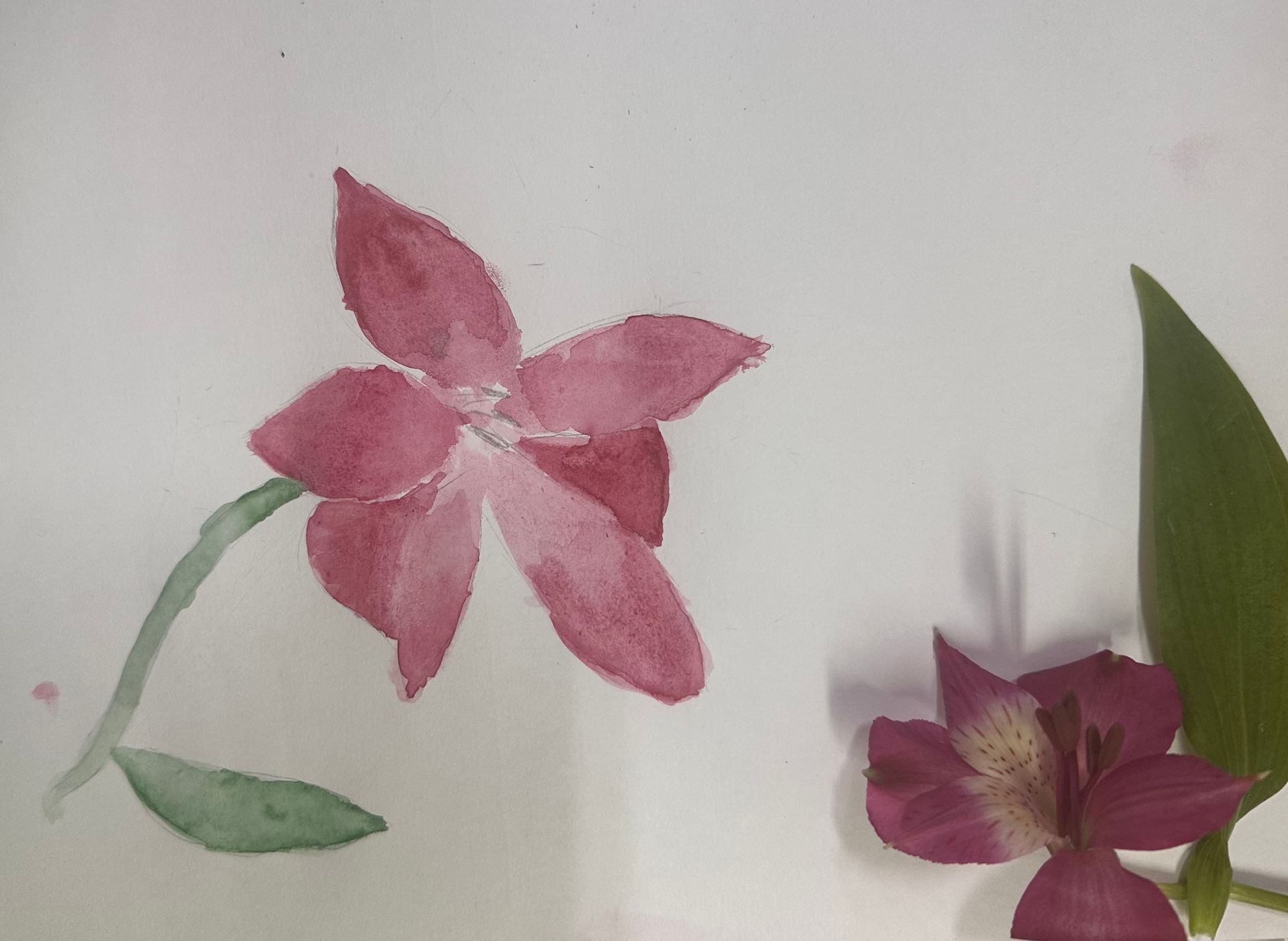
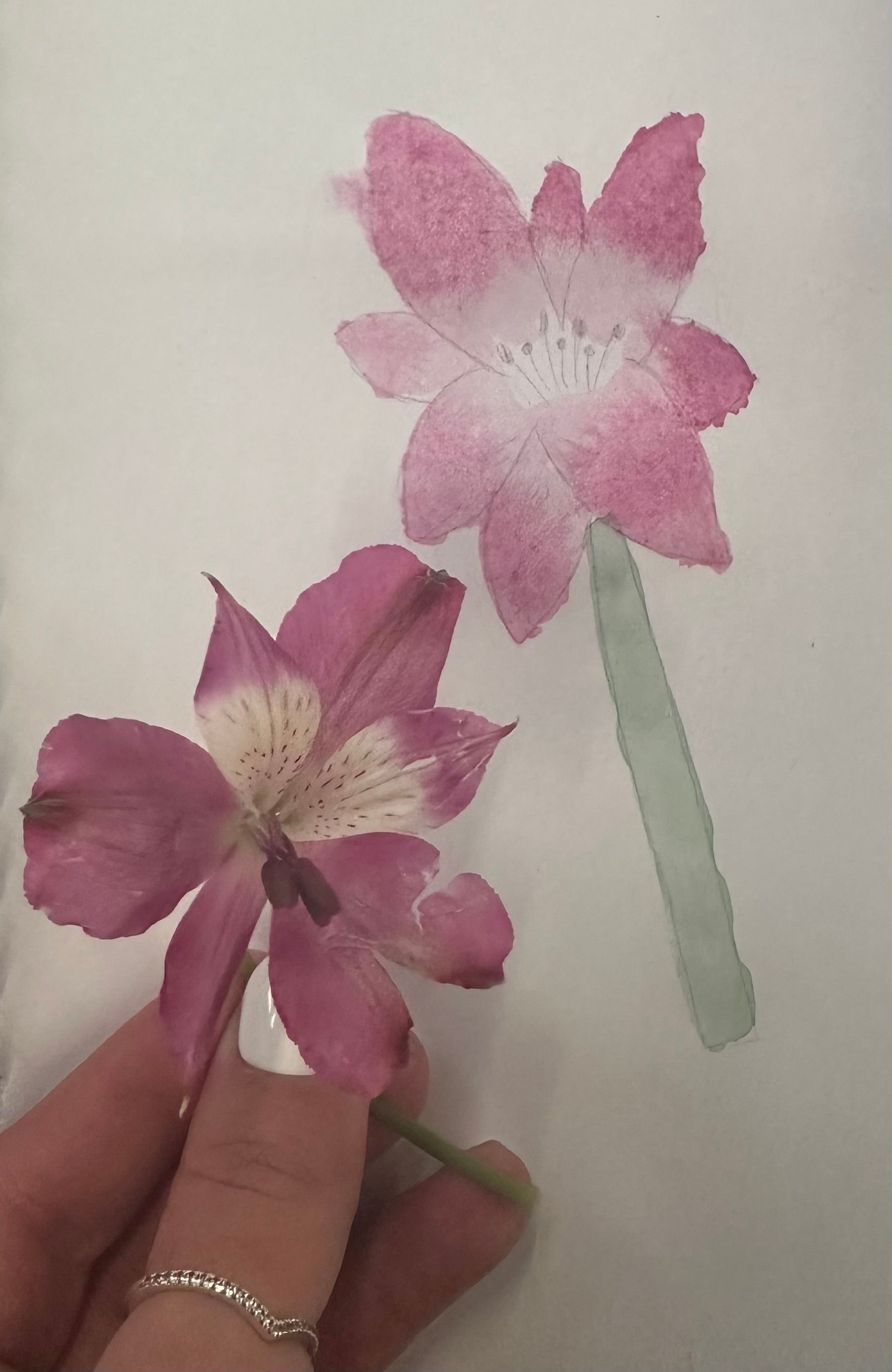
This week, Year 6 learned about the Pre-Raphaelites and how they wanted their paintings to look realistic and full of detail. We studied Dante Gabriel Rossetti and his painting The Annunciation, noticing how his work was different from traditional depictions of the same scene.
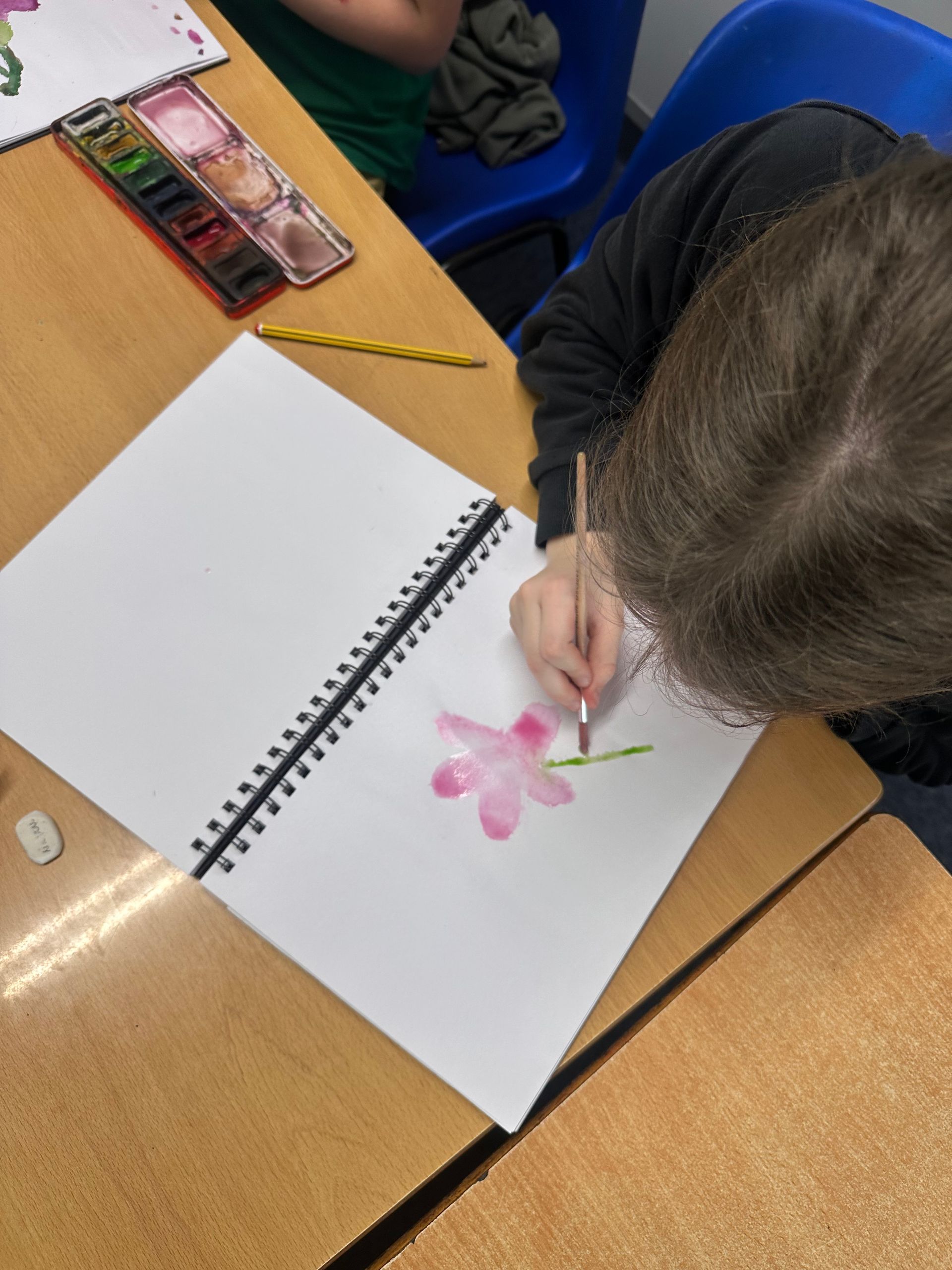
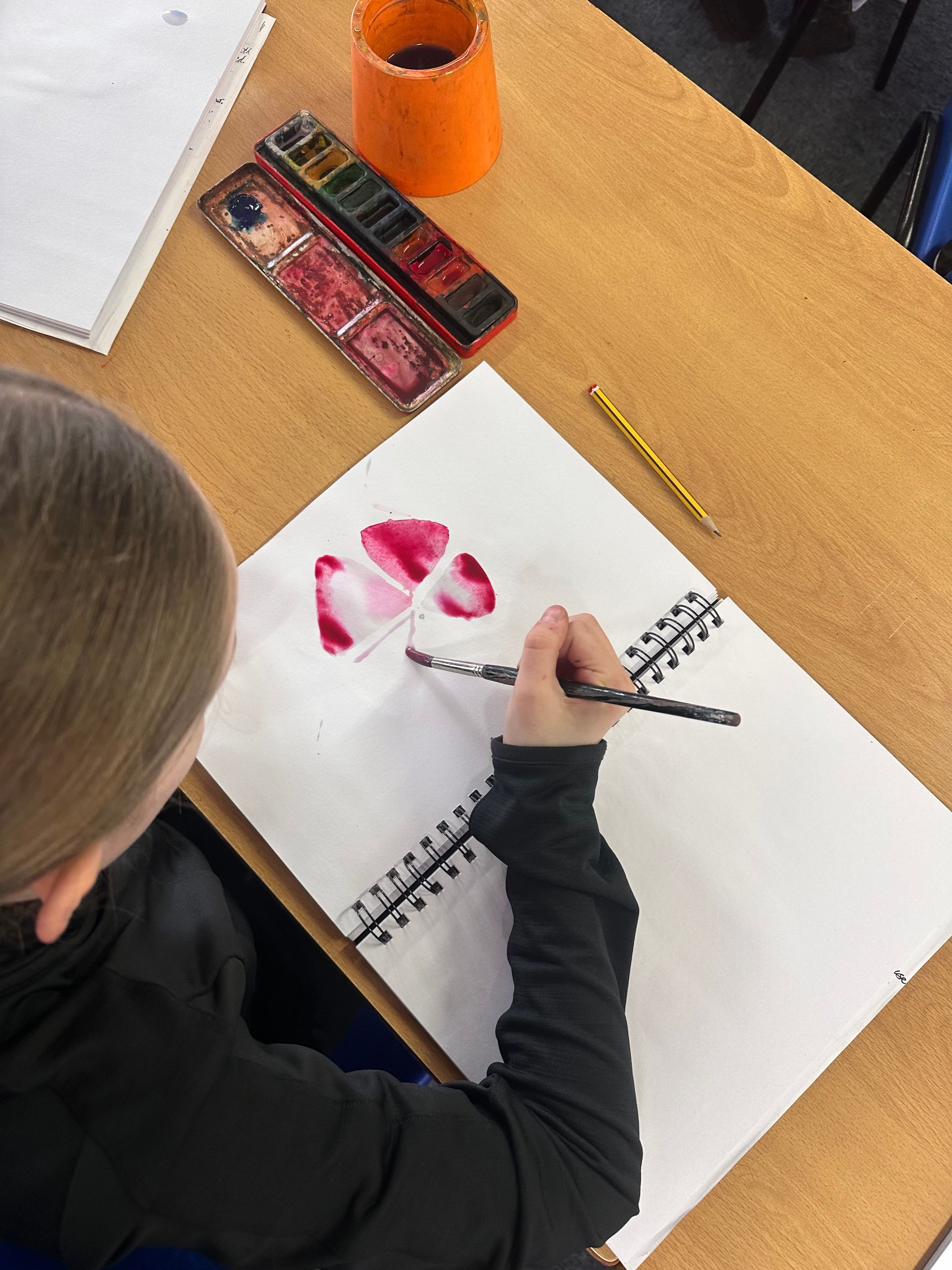
After learning about the Pre-Raphaelites, Year 6 put these ideas into practice. The task was to paint a flower using watercolour, just like artists who carefully observe nature. They sketched lightly in pencil, used the wet-in-wet technique, and worked carefully from light to dark.
The results were beautiful, with soft blends of colour and realistic details. Year 6 showed great patience, control, and creativity, and produced some fantastic artwork inspired by the Pre-Raphaelites. Well done, Year 6! 🌸✨
Week commencing: 02nd February 2026
Year 6 Geography Blog 🌍
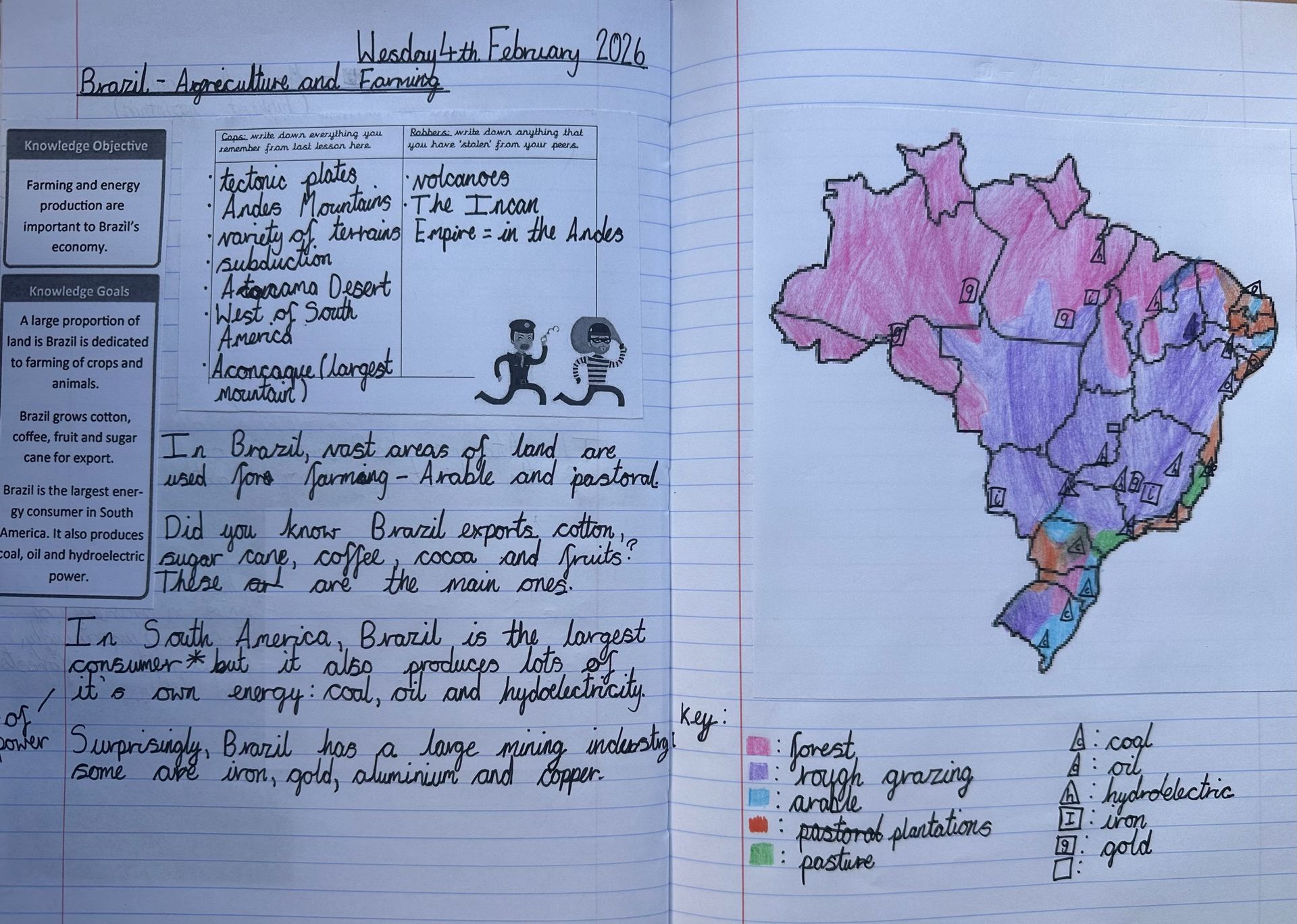
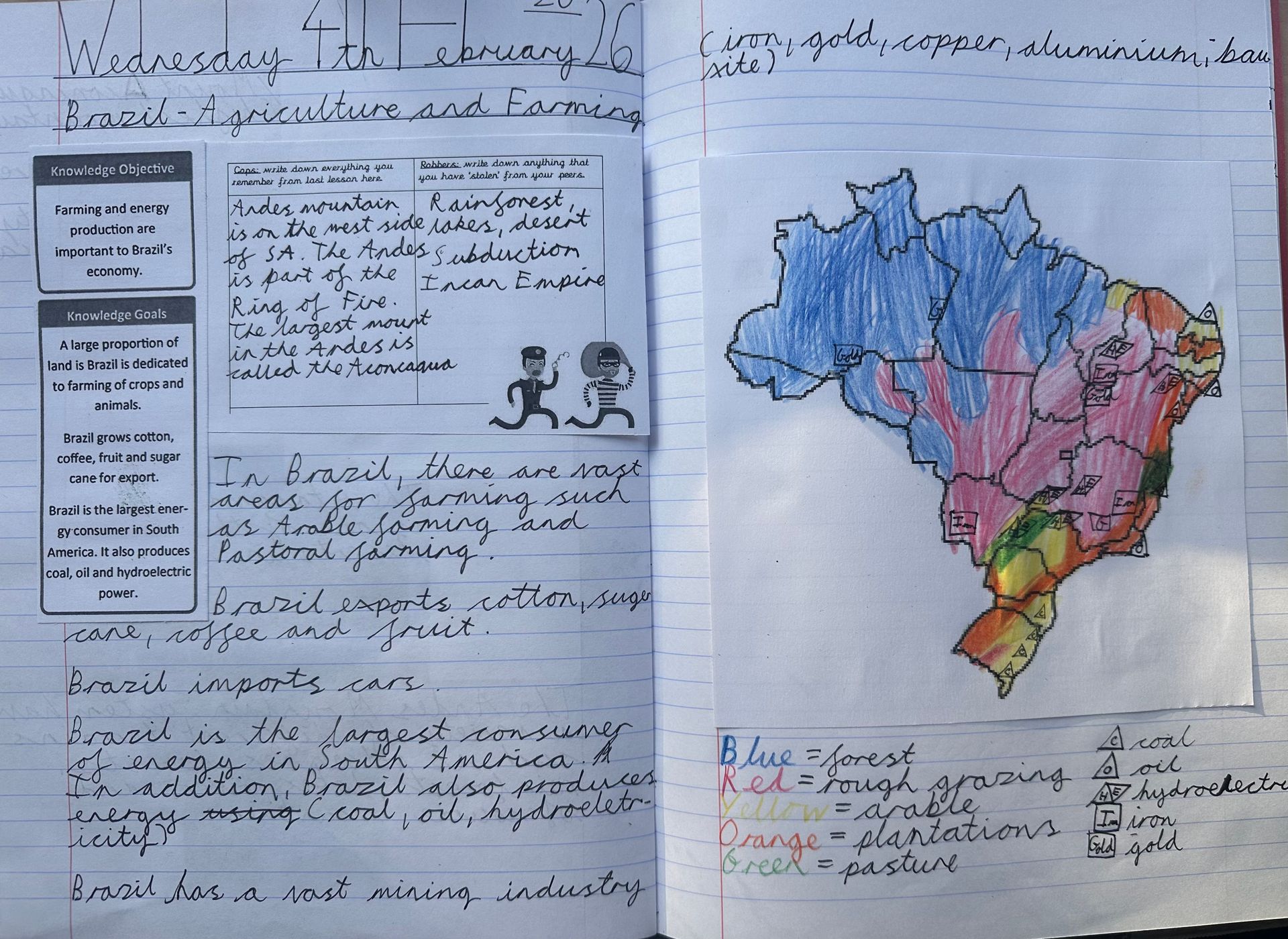
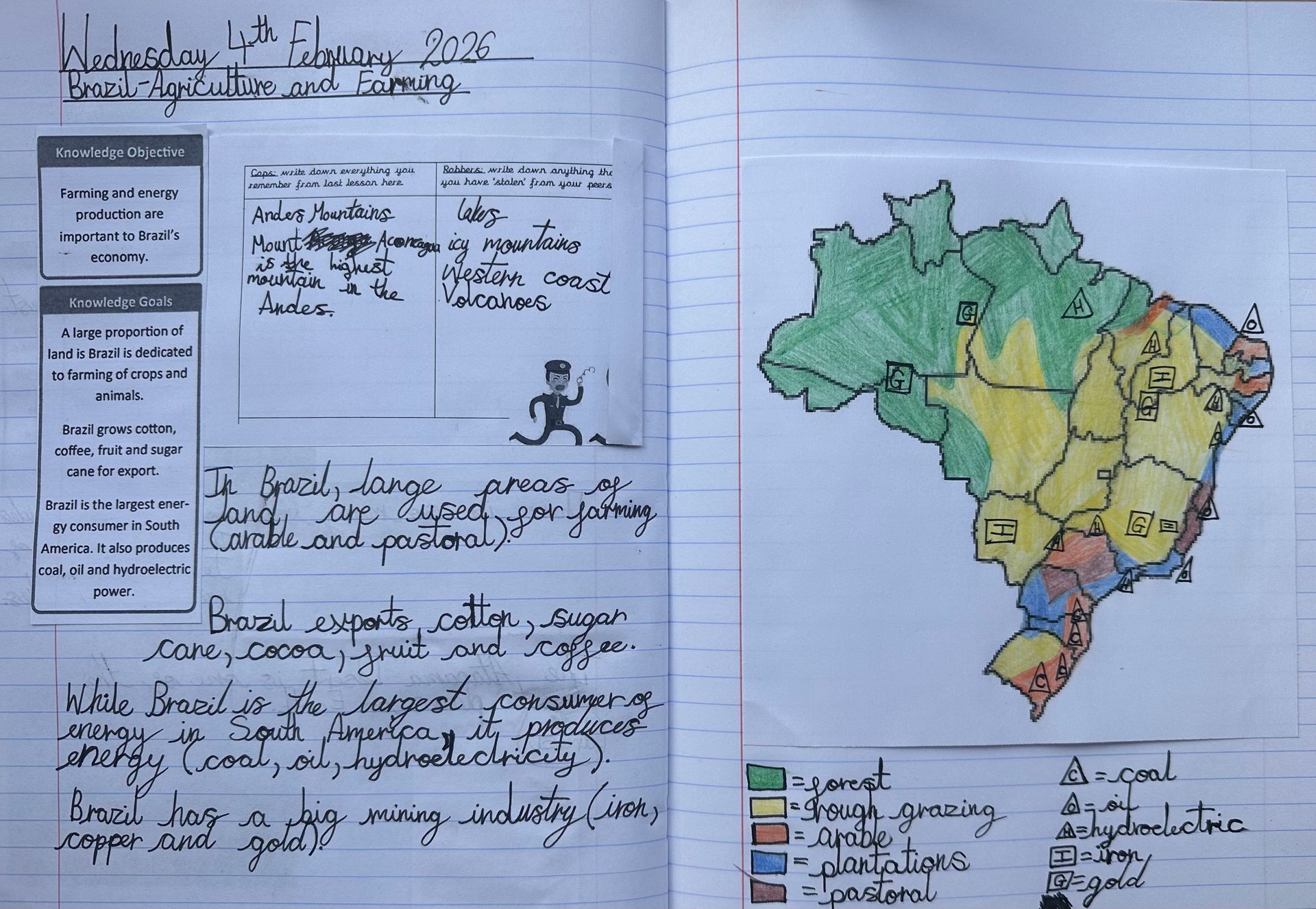
This week in geography, Year 6 learned about Brazil and how farming and energy production are important to its economy.
We discovered that a large amount of land in Brazil is used for farming crops and raising animals 🚜🌱. Brazil grows products such as coffee, cotton, fruit, and sugar cane, which are exported to other countries around the world ☕🍌. We also learned that Brazil is the largest energy consumer in South America. It produces energy using coal, oil, and hydroelectric power, showing how rivers can be used to create electricity ⚡💧.
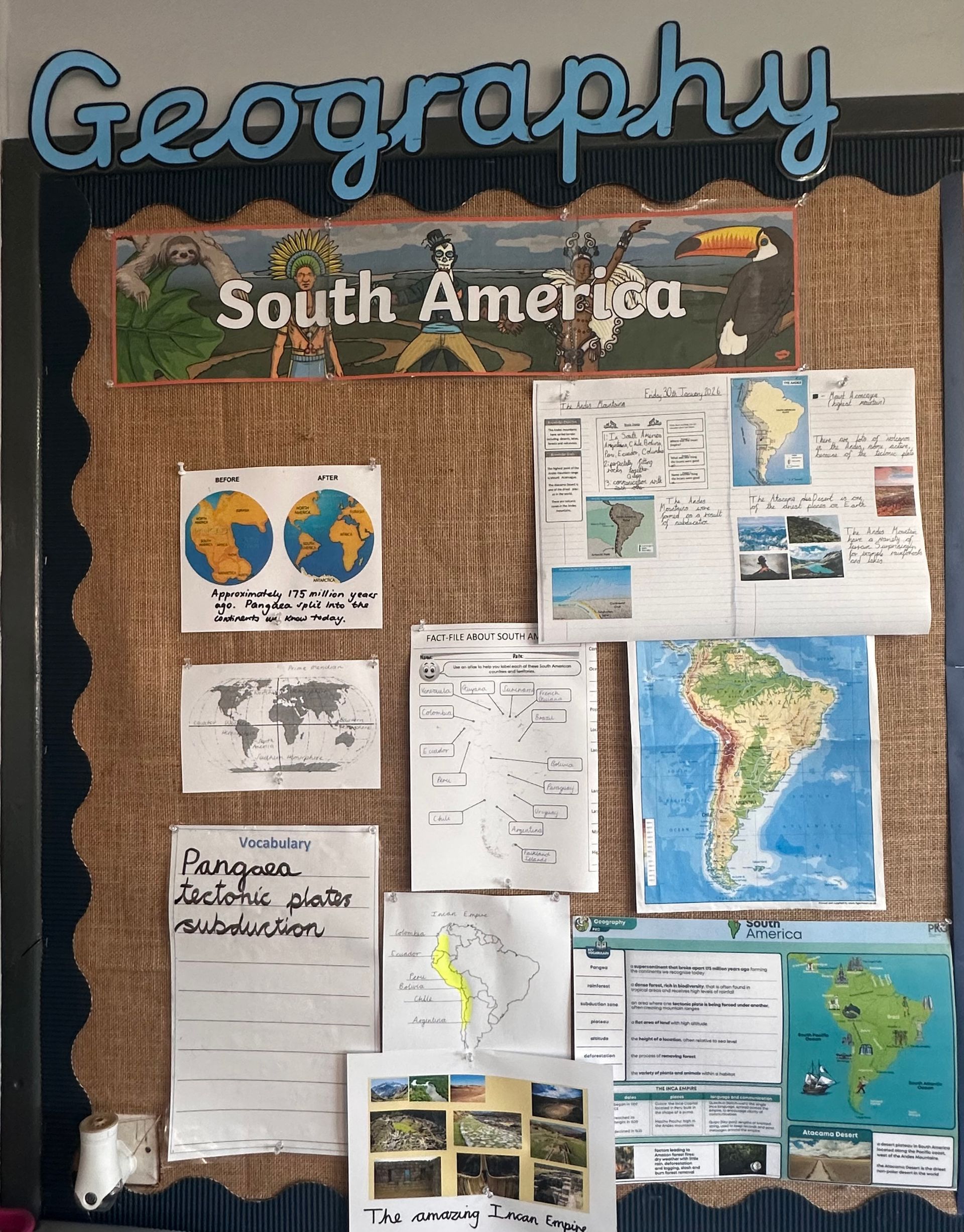
This lesson helped us understand how natural resources and land use can support a country’s economy. Look at our geography working wall - full of knowledge! 🌍😊.
Week commencing: 26th January 2026
Historians at work!!
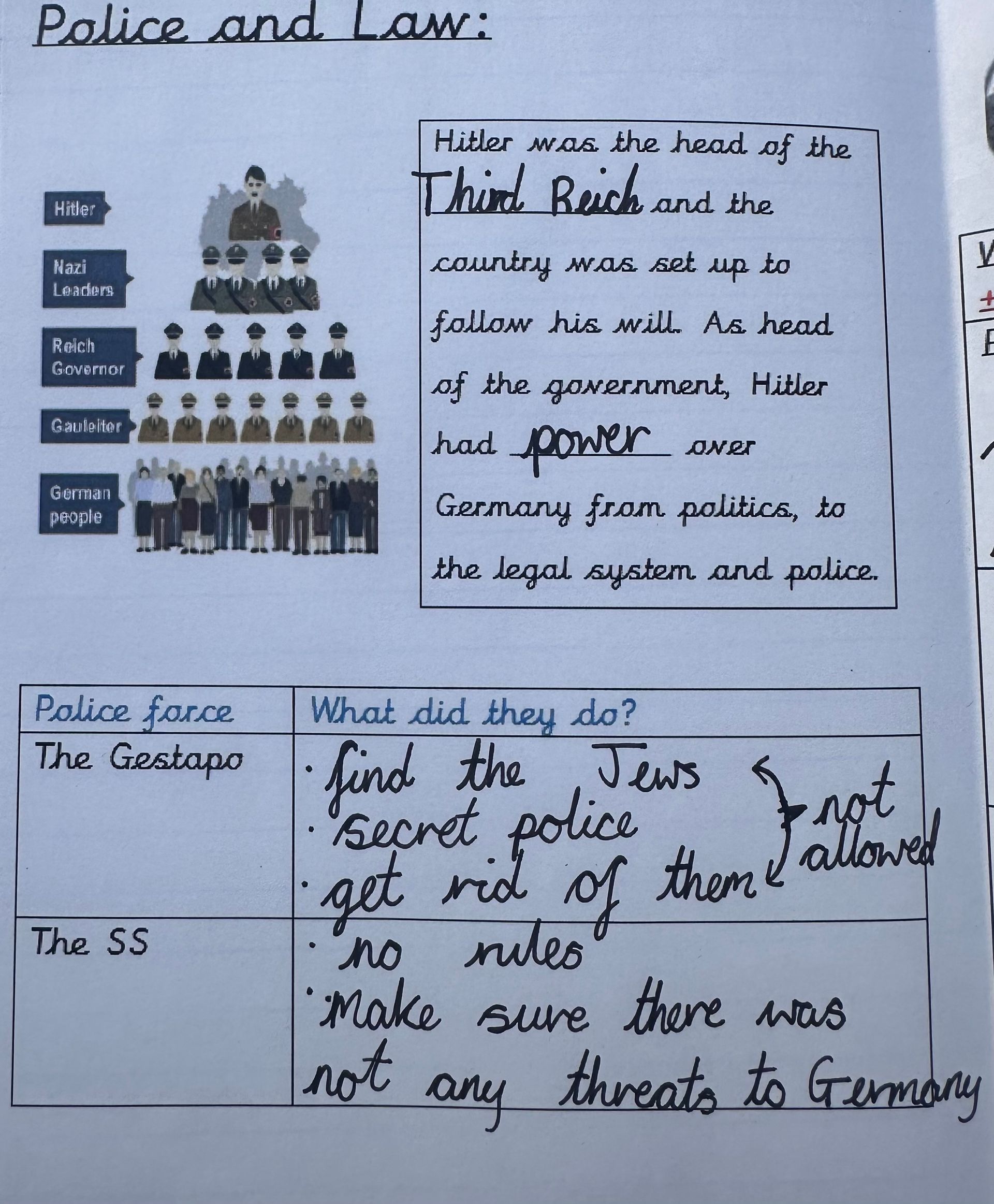
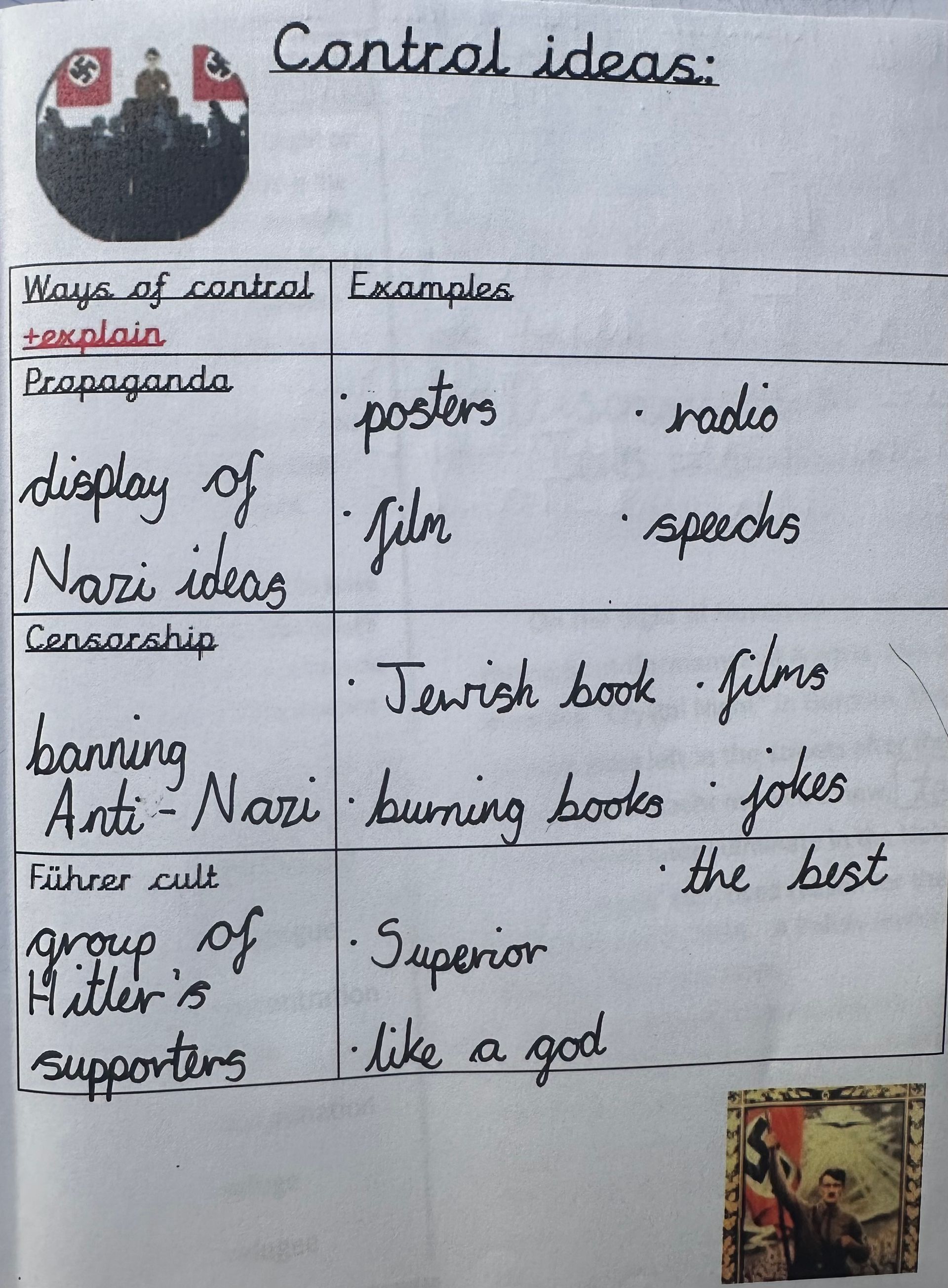
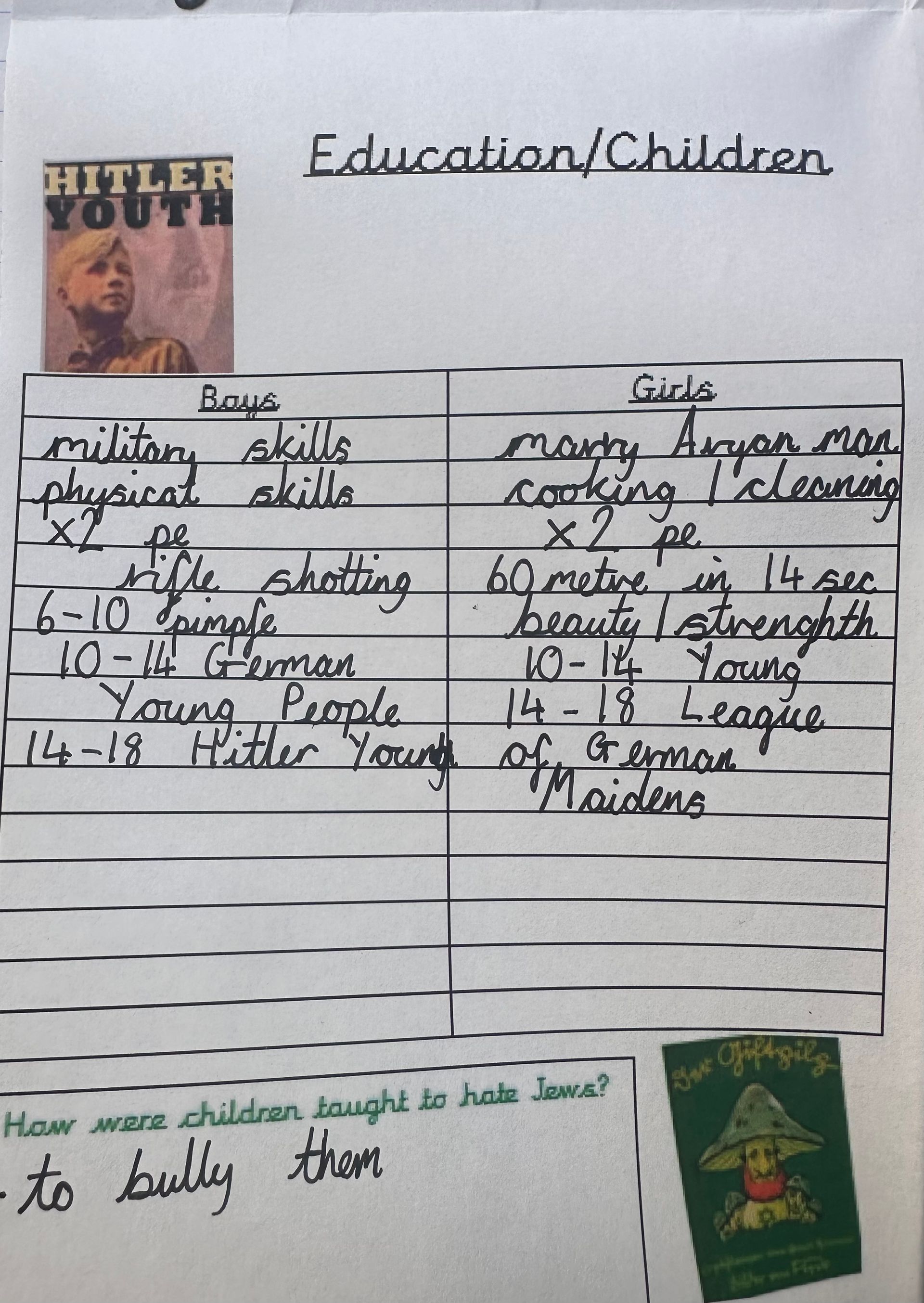
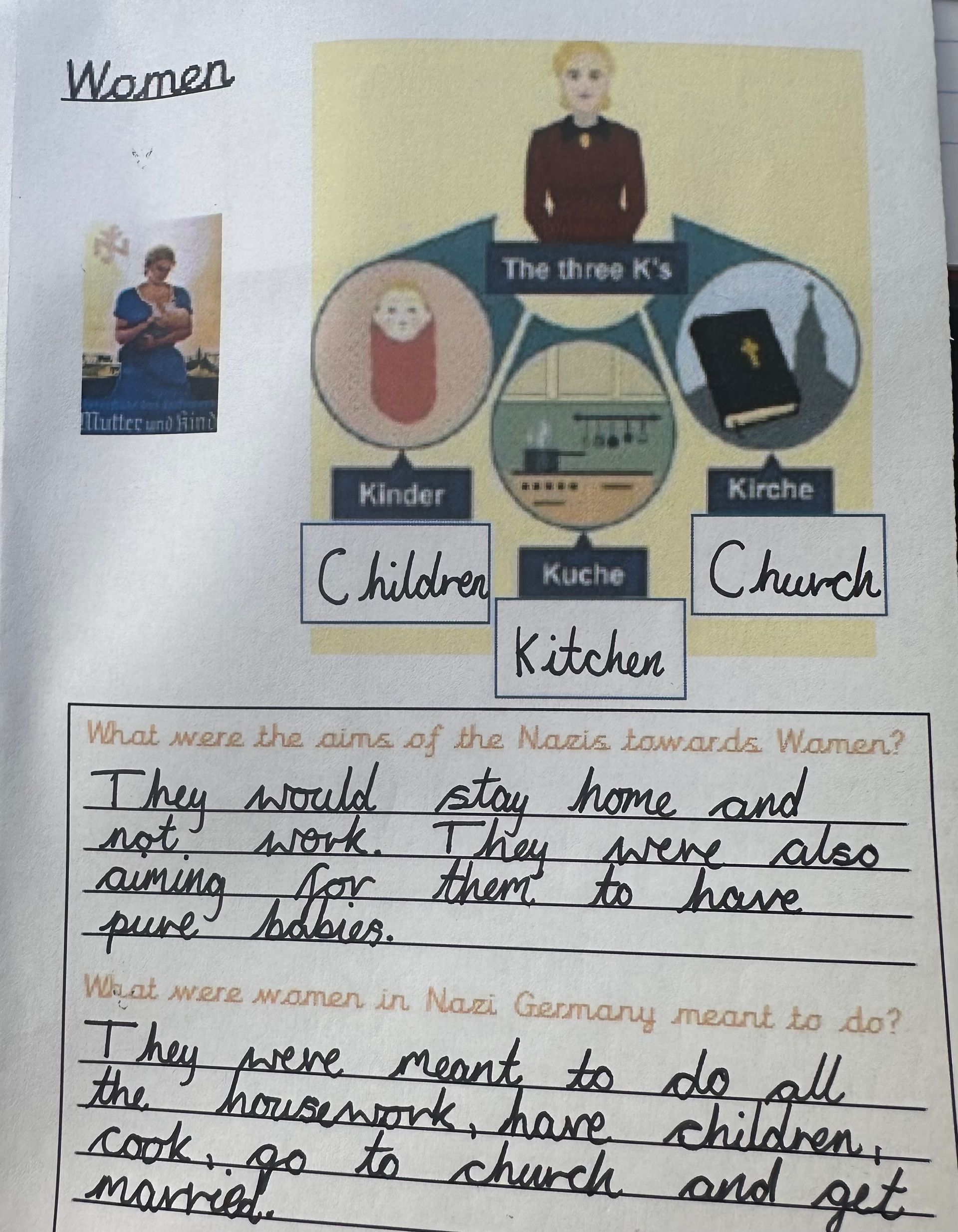
This week in history, Year 6 learned how the Nazi Party controlled many aspects of everyday life in Germany.
We found out that women were expected to stay at home, look after the house, and have children 👩👧👦🏠. Children’s lives were also closely controlled. Boys were encouraged to join the Hitler Youth, and girls joined the League of German Maidens.
We learned that the Nazis wanted children to be taught that the Aryan race was superior, which helped spread their beliefs. This lesson helped us understand how governments can influence people’s lives and why it is important to question ideas and learn from history 🤔🌍.
Week commencing: 19th January 2026
Year 6 Art Blog 🎨🏛️
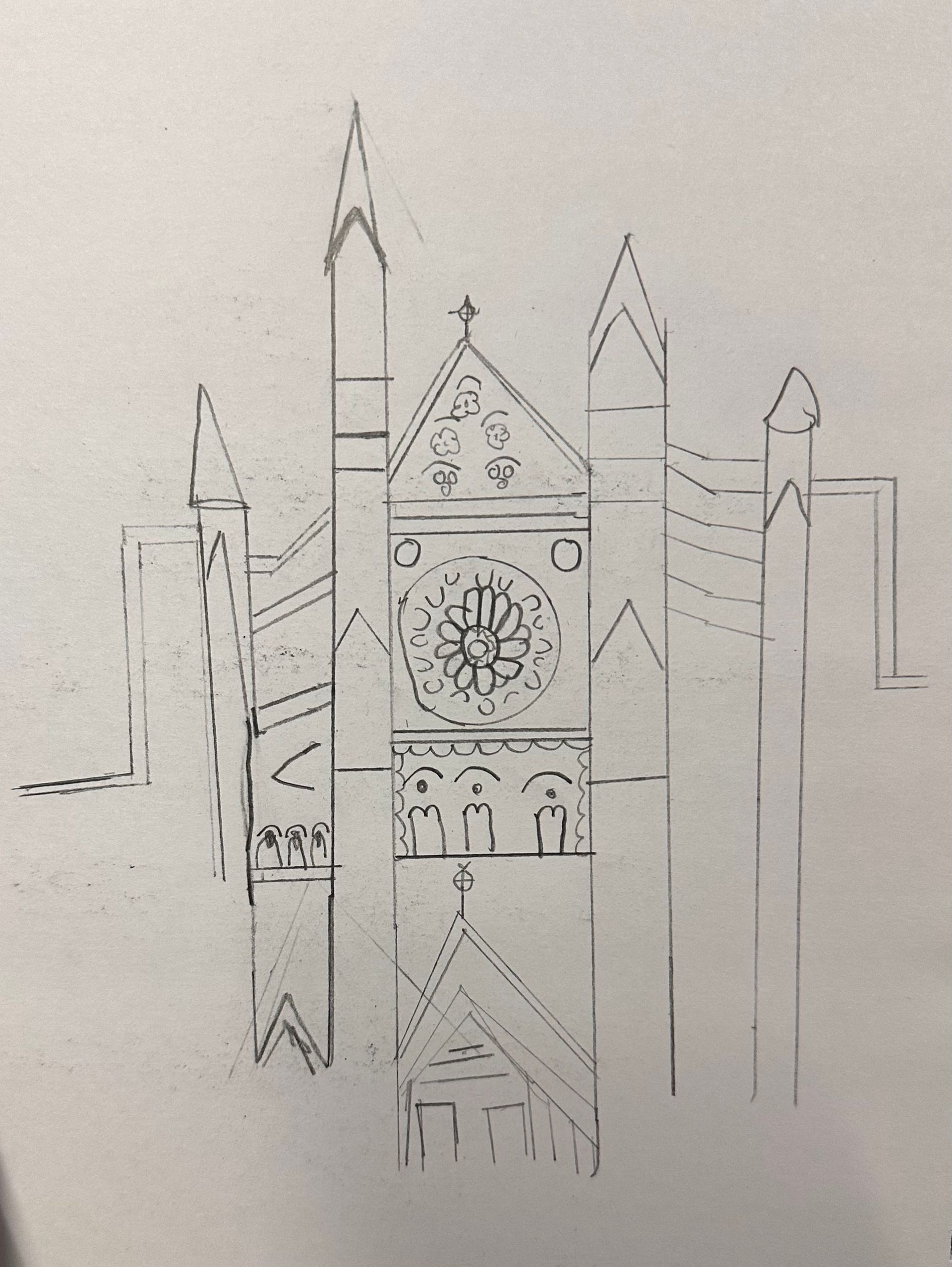
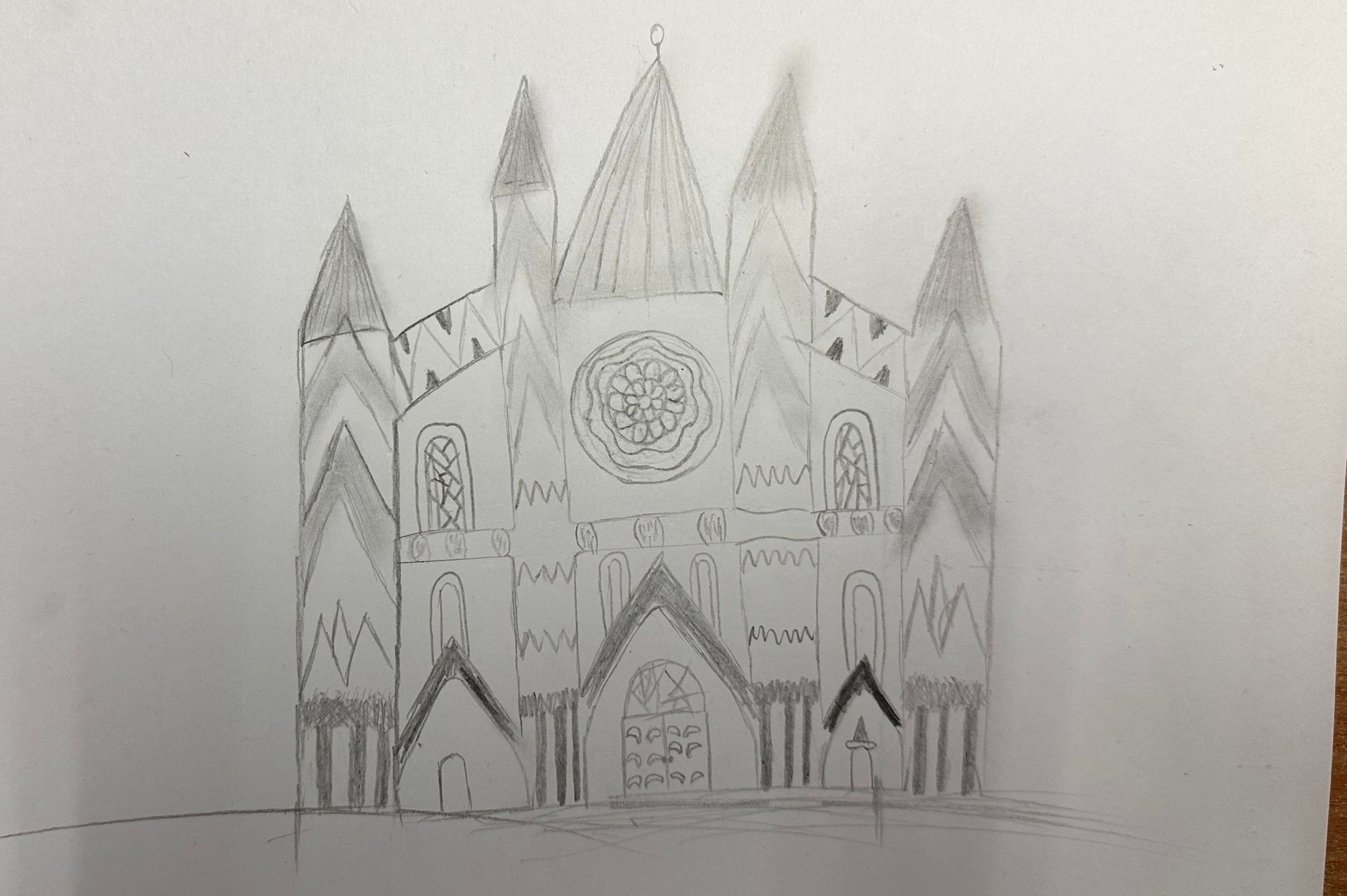
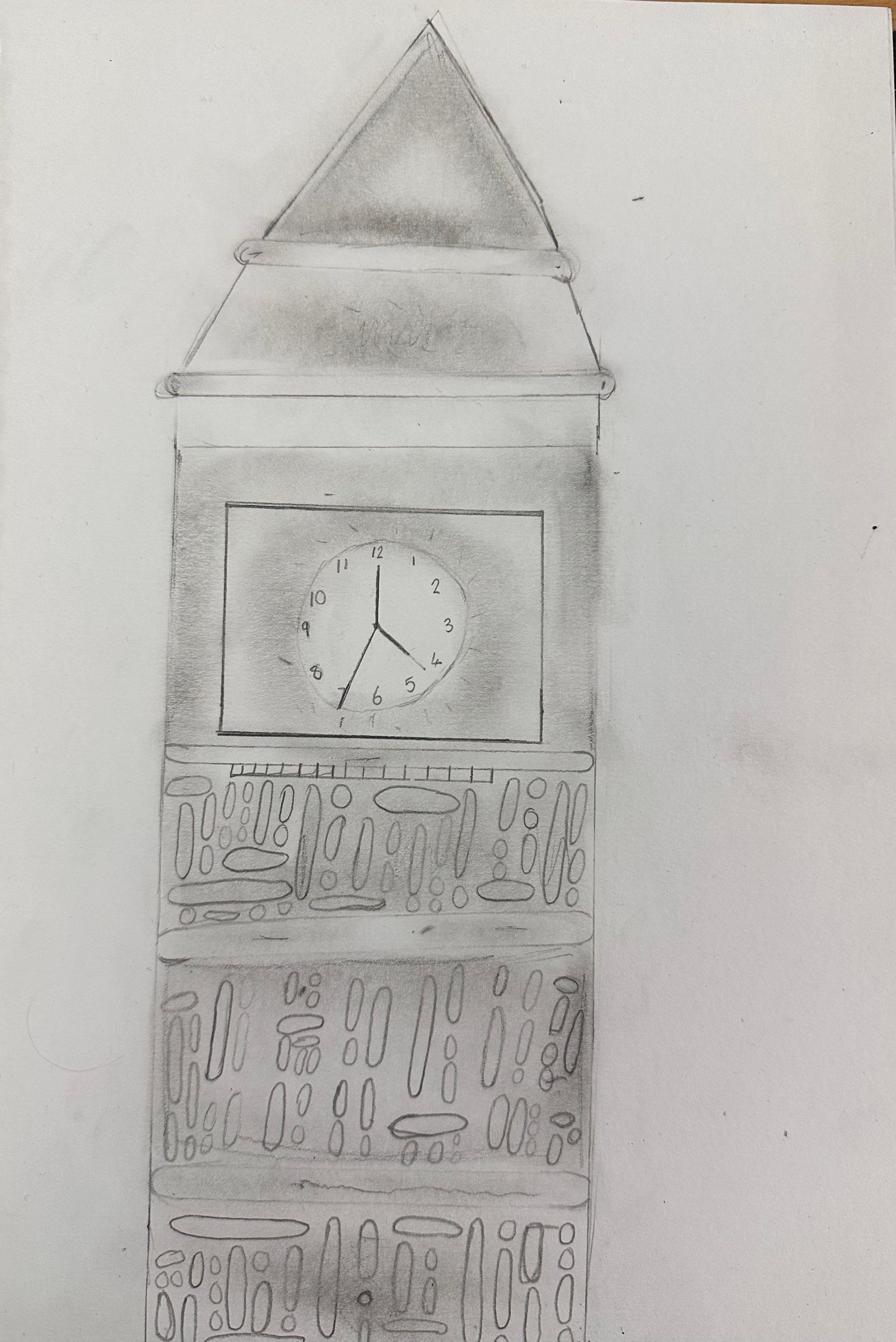
This week in art, Year 6 learned about Victorian architecture and how architects often used styles from the past. We explored how the Houses of Parliament are influenced by both classical and gothic architecture, including symmetry, pointed arches, and detailed designs 🏰📐.
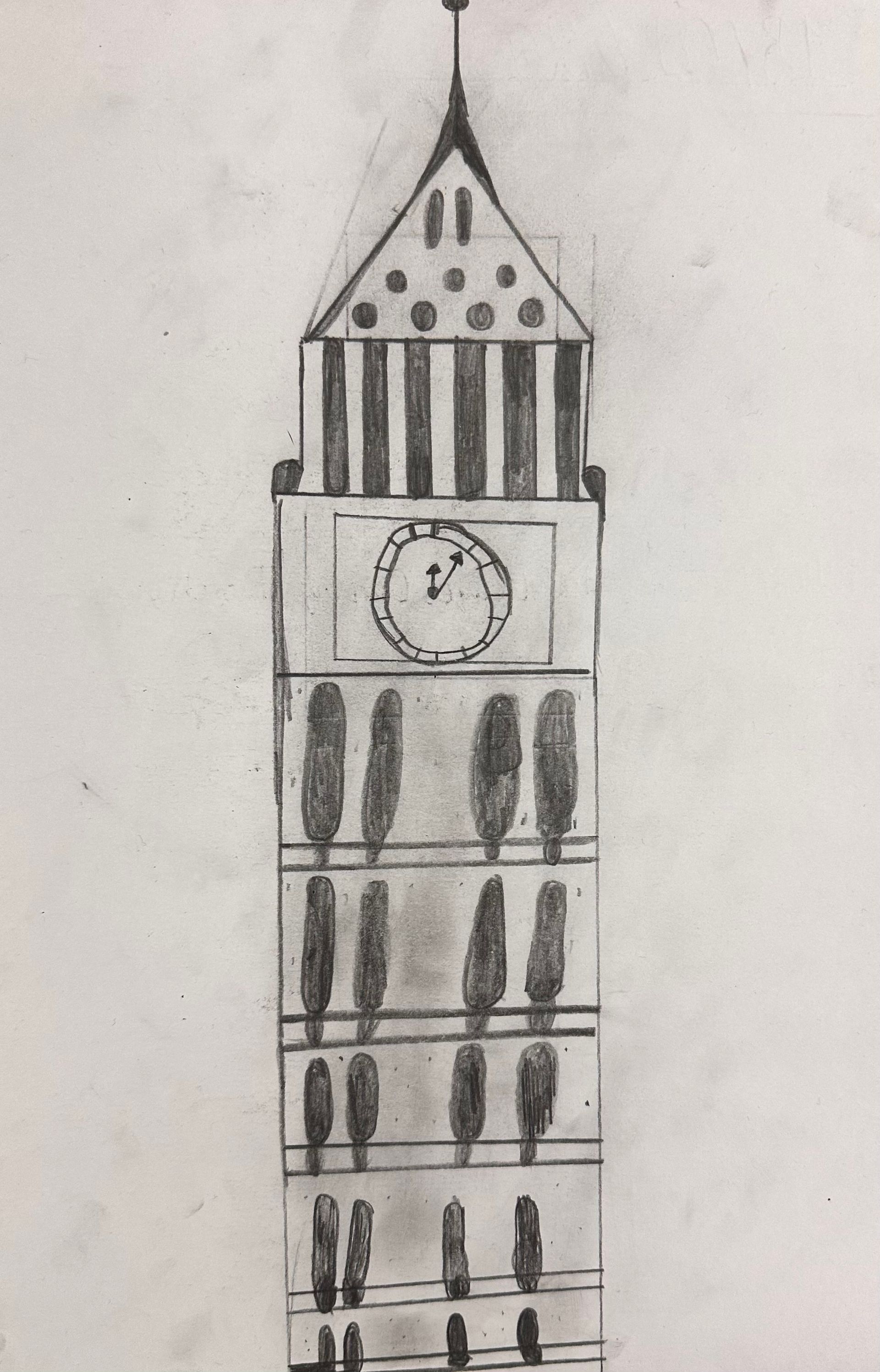
After learning about the building, we practised our drawing skills. We chose an important London landmark and drew it using lines only ✏️. We carefully copied shapes, thought about proportion, and used a variety of lines—thick, thin, straight, and curved—to add detail and texture ➖➰.
We really enjoyed this art learning and are very proud of our finished drawings! Can you recognise the buildings? 😊✨
Week commencing: 12th January 2026
Maths + more maths = amazing mathematicians ➕📐
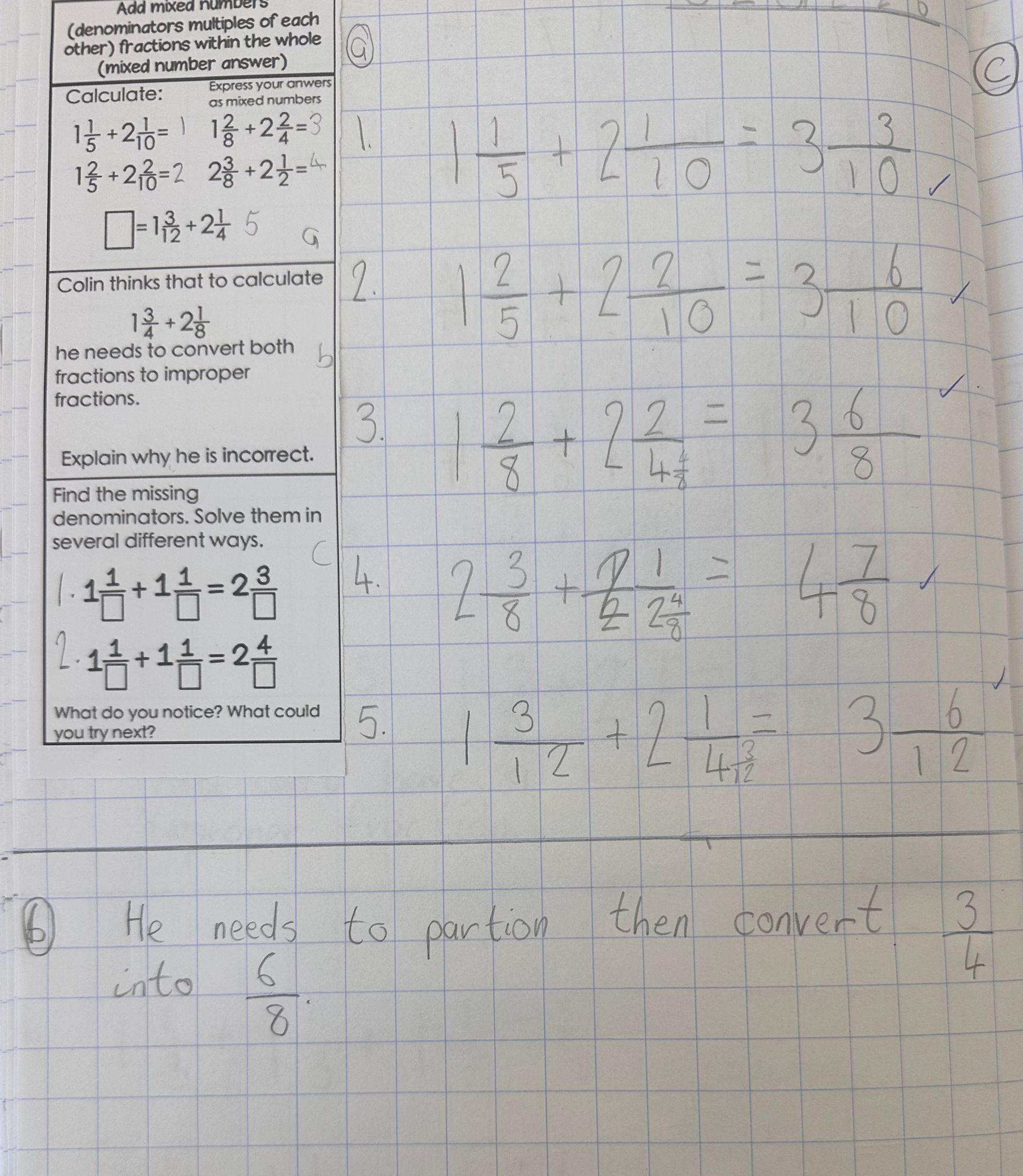
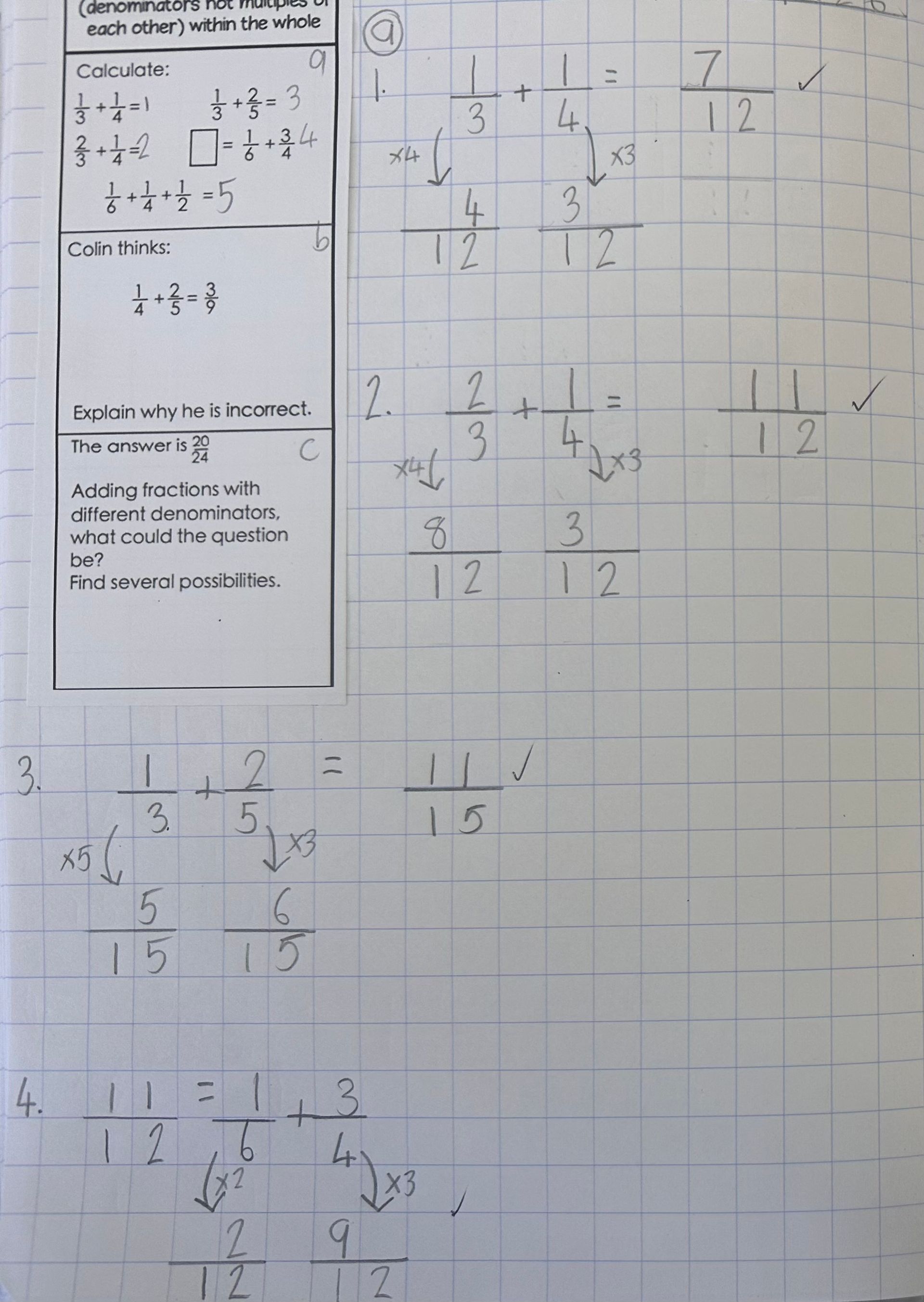
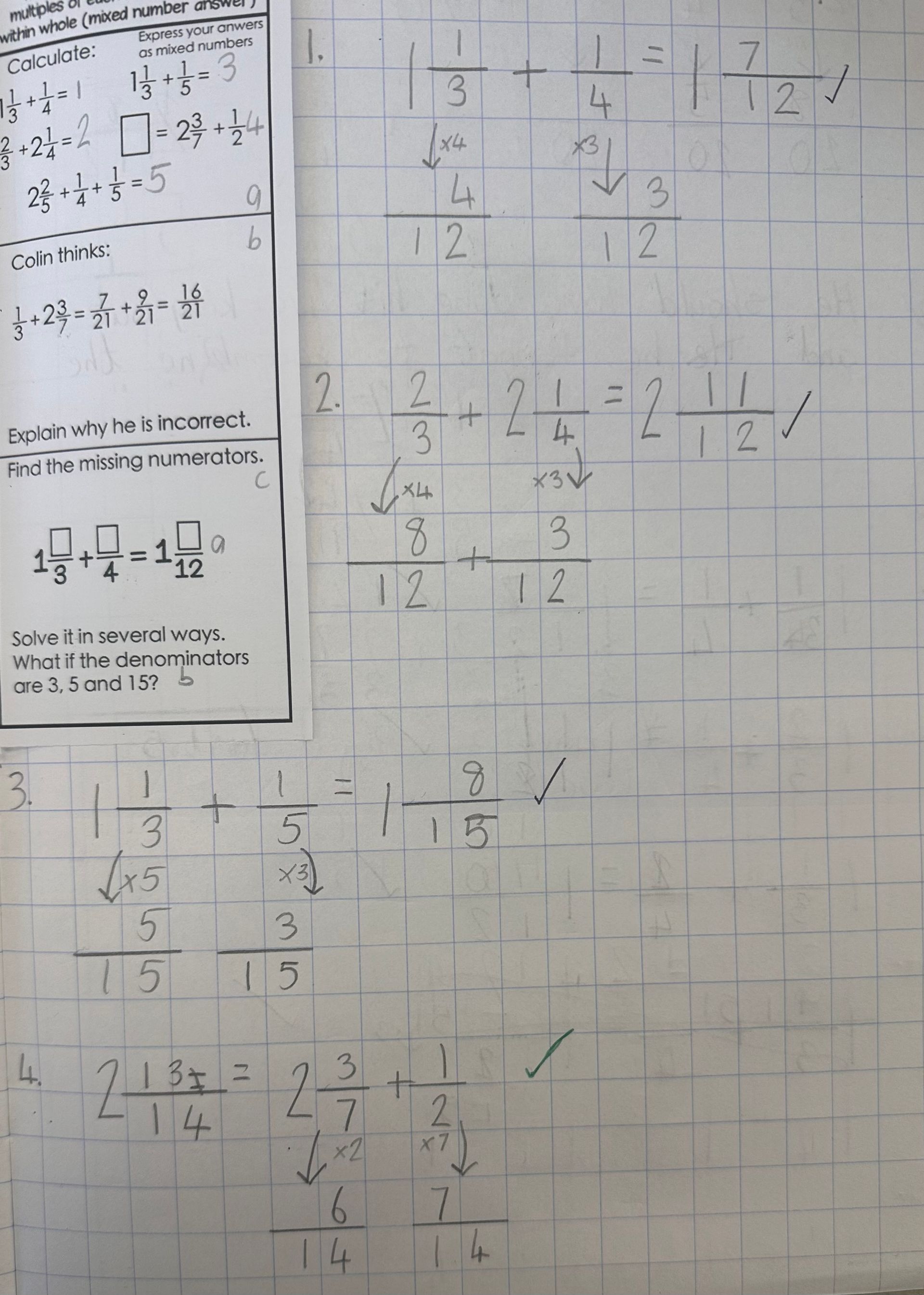
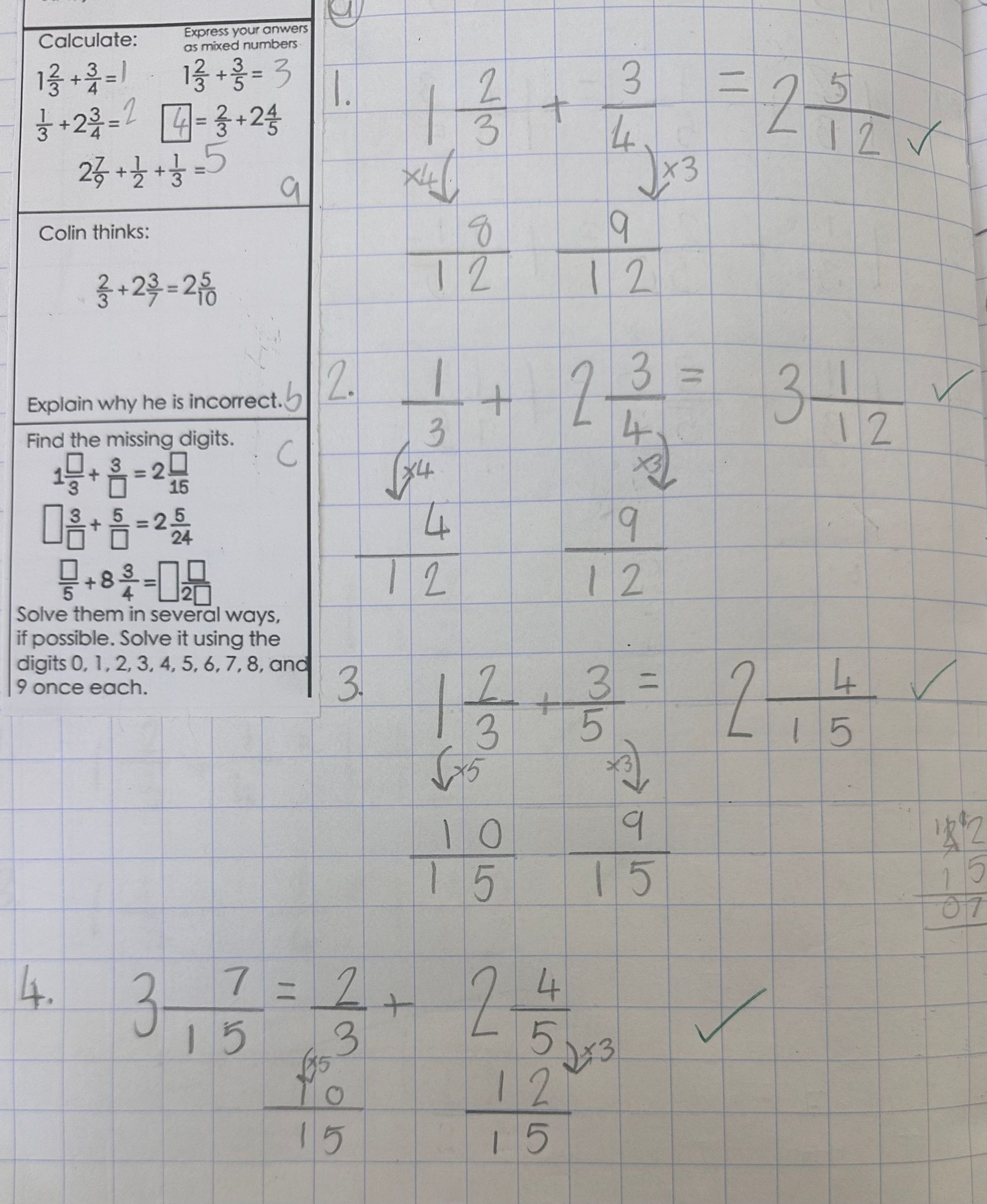
This week in maths, Year 6 have been developing their fraction addition skills. We followed our learning journey and built up our understanding step by step 🚗🛣️.
We learned how to add proper fractions and mixed numbers, starting with the same denominators and then moving on to different denominators. We practised finding common denominators and deciding whether our answers stayed within the whole or went beyond the whole ➗🧠. As the week went on, we challenged ourselves by adding mixed numbers where the fractions crossed the whole, making sure our final answers were written correctly as mixed numbers ✏️⭐.
The children worked hard, showed great resilience, and are becoming much more confident with fractions. Well done, Year 6! 😊👏
Week commencing: 5th January 2026
Year 6’s First Lesson on Electricity ⚡
This week, Year 6 took their first deep dive into the fascinating world of electricity in Science! The class learned that electricity can flow from one place to another, which is called an electrical current. They discovered that we can control this flow by creating circuits, which allow electricity to move from one component to another.
The children explored how circuits can contain different components, such as light bulbs, which convert electrical energy into light. To make this more hands-on, each child created their own simple series circuit, using batteries, wires, and bulbs. The class practiced drawing circuit diagrams to show how their circuits were set up.
We’re looking forward to more experiments and deeper exploration into electricity in the coming weeks!
Well done, Year 6 – keep up the great work! 🌟


Christmas Holiday
ITS CHRISTMAS!! 🌟
What an amazing first term we’ve had in Year 6! 🎉 The pupils have worked incredibly hard, not just in the classroom, but also in the wider school community. From tackling exciting challenges in our curriculum to showing kindness and teamwork around the school, Year 6 has truly shone! ✨
We are so proud of all the hard work and progress the students have made, and we’re excited for the year ahead. There’s so much more learning, discovery, and fun to come, and we can’t wait to see what the new year brings! 📚💫
Bring on the next chapter, Year 6! 🌈
Week commencing: 15th December 2025
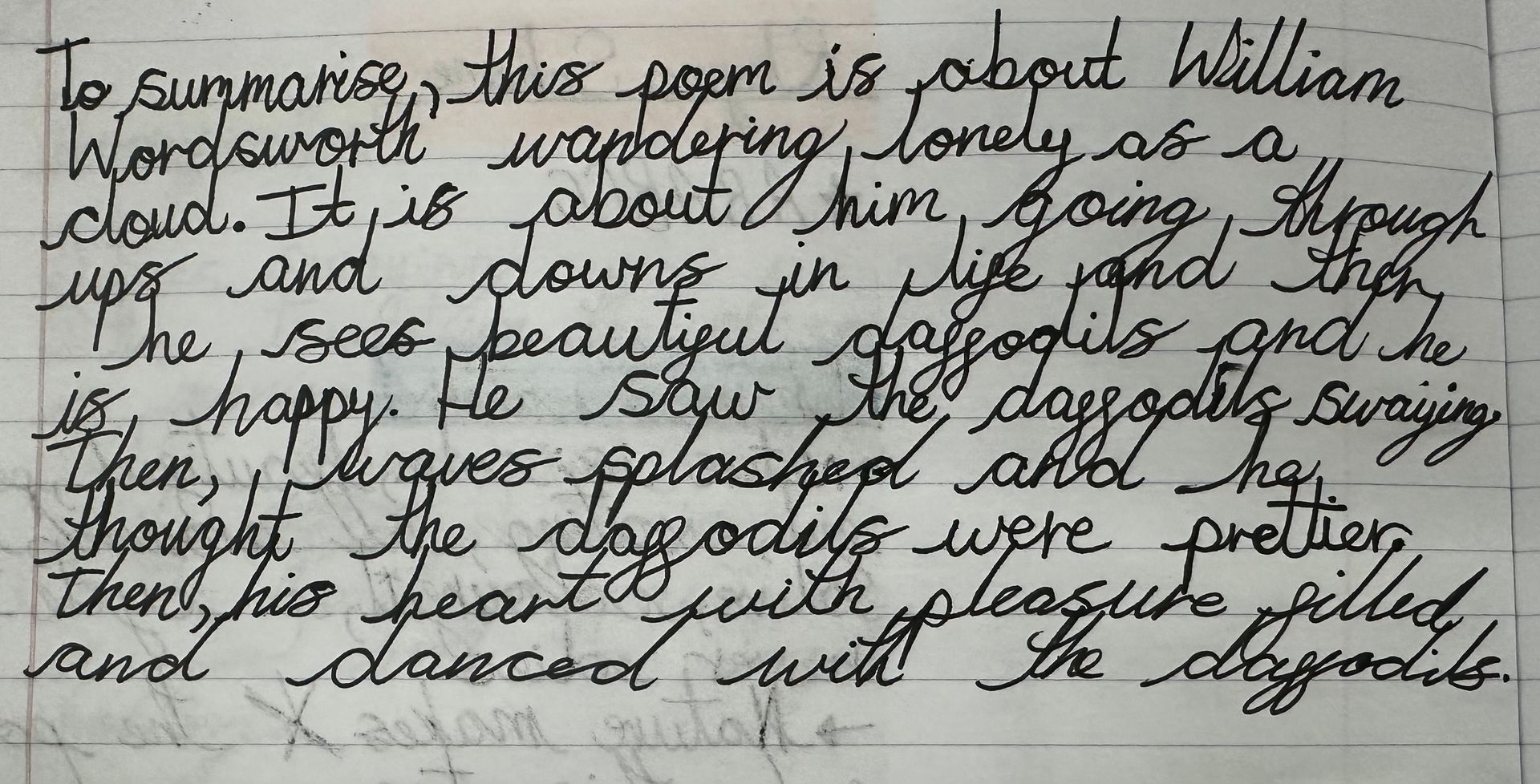
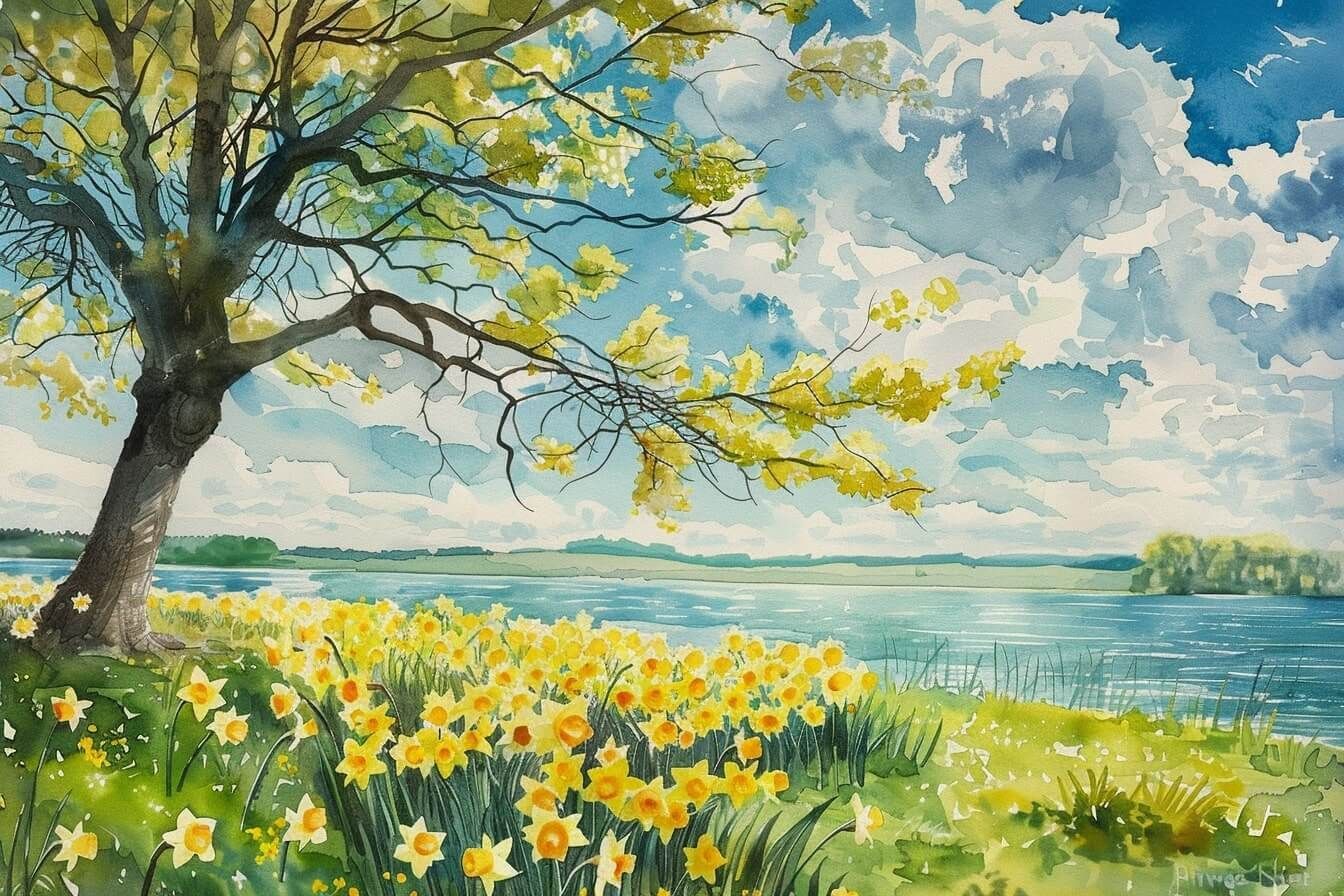
Poem Analysis: I Wandered Lonely as a Cloud 🌼
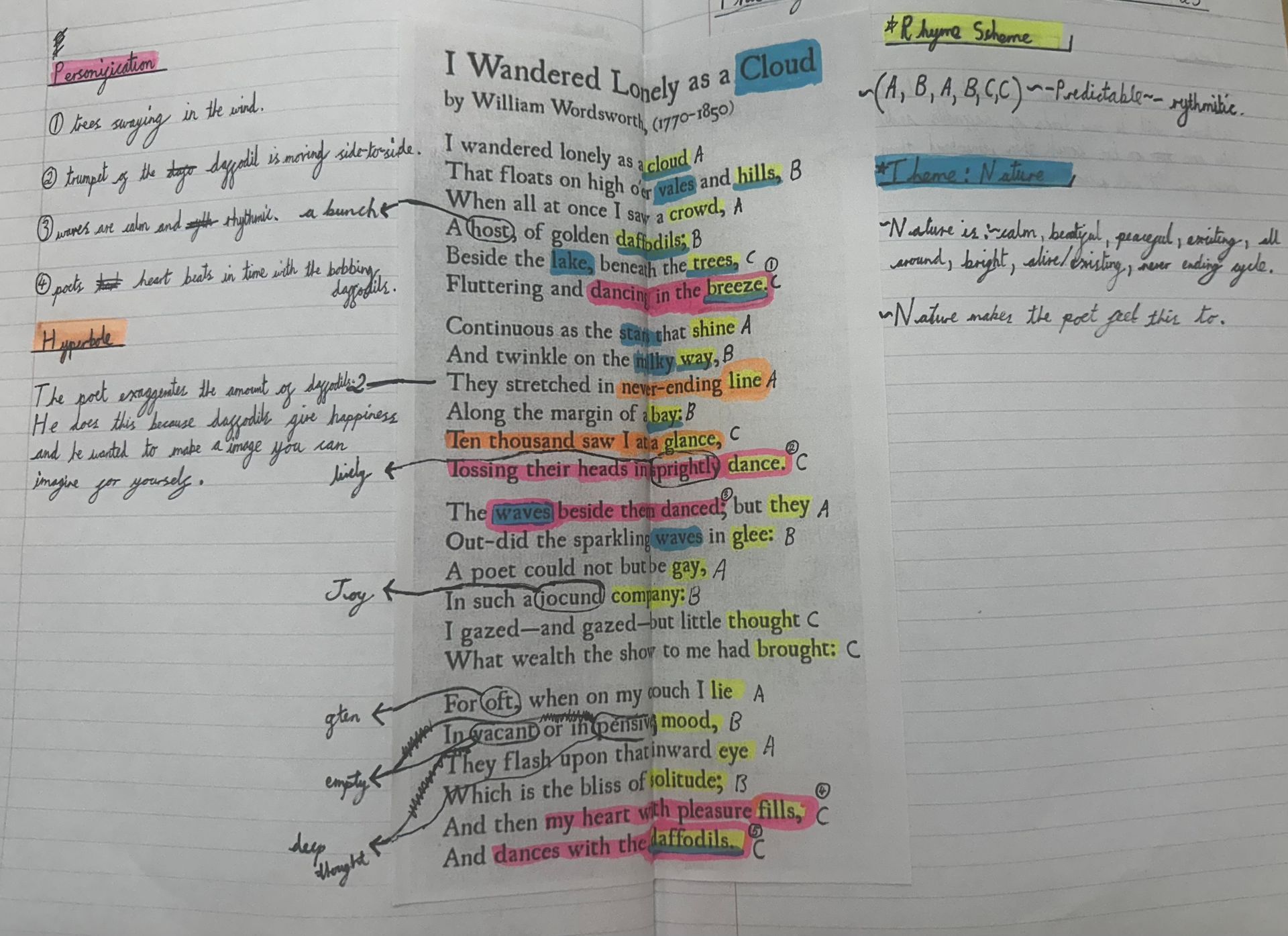
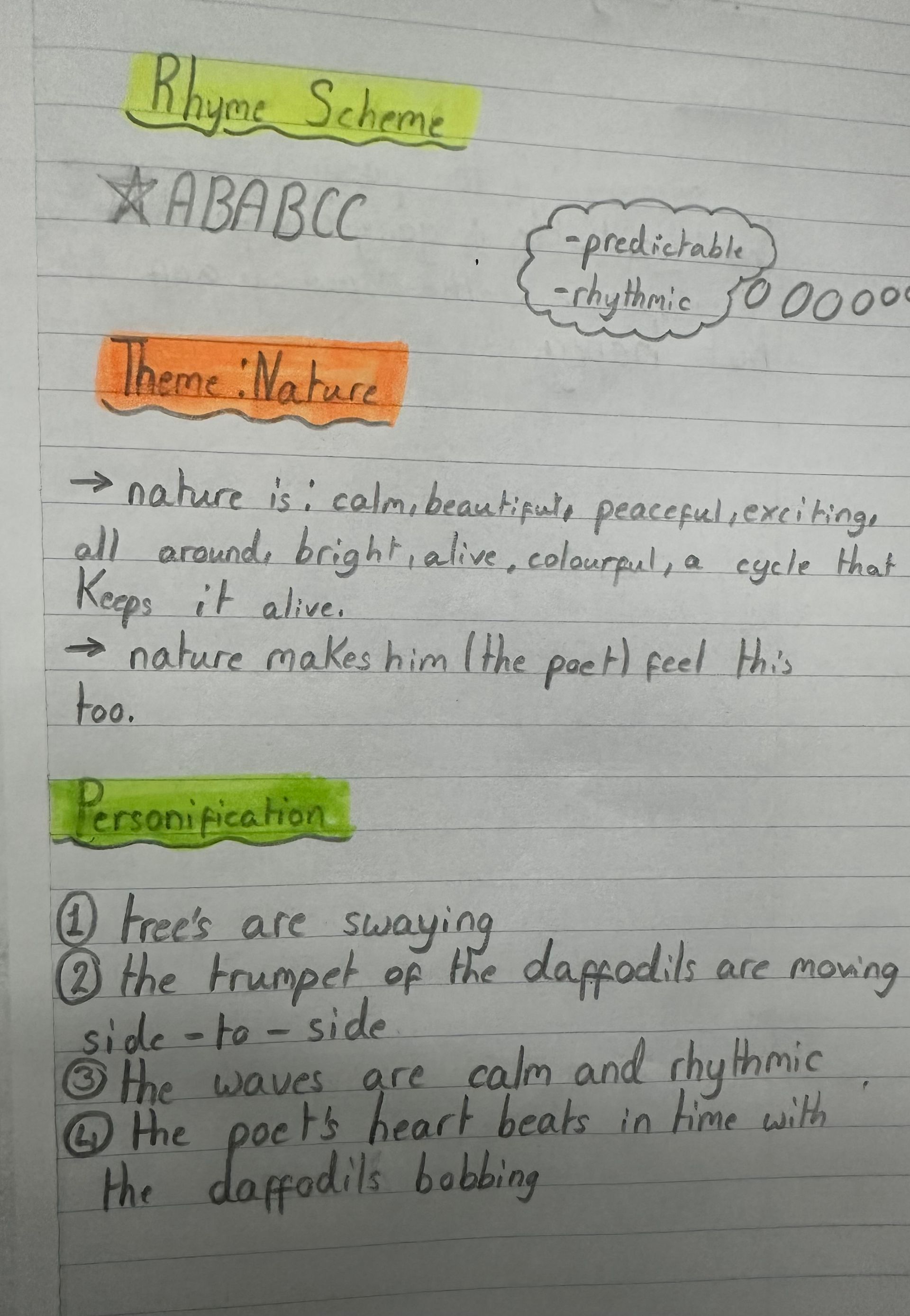
This week in Year 6, we studied the beautiful poem I Wandered Lonely as a Cloud by William Wordsworth. We explored the figurative language, including personification (like daffodils “dancing”) and hyperbole (daffodils “outshining the stars”) 🌟.
We also examined the rhyme scheme (ABAB) and discussed the poem’s themes of nature, solitude, and the power of memory 🌳💭. Finally, we tackled some new vocabulary to help us fully understand the poem’s meaning.
It’s been a great week of poetic discovery, and Year 6 did an amazing job! ✨📚
Week commencing: 8th December 2025
Artists in the making 🎨🏛️✨
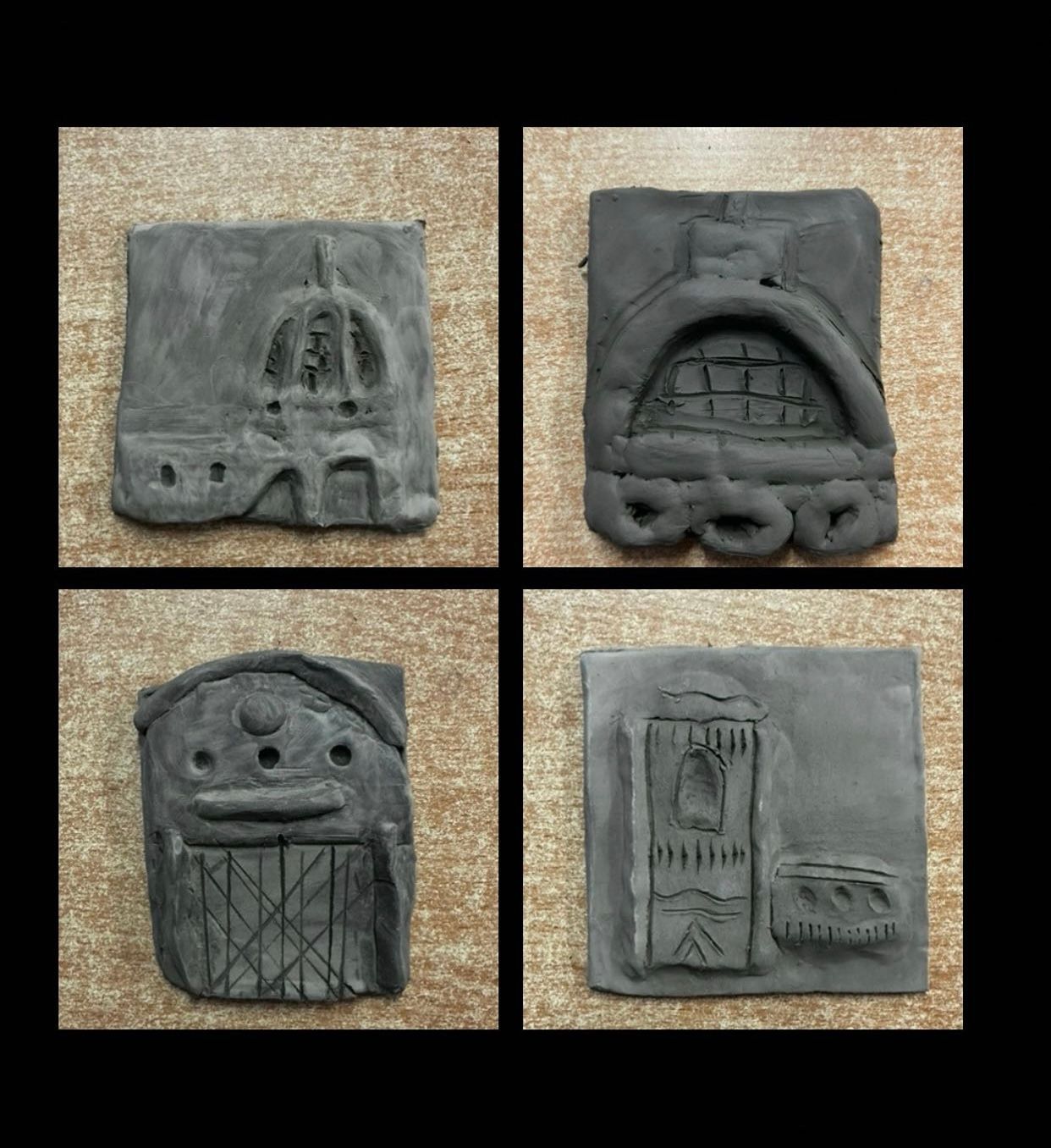
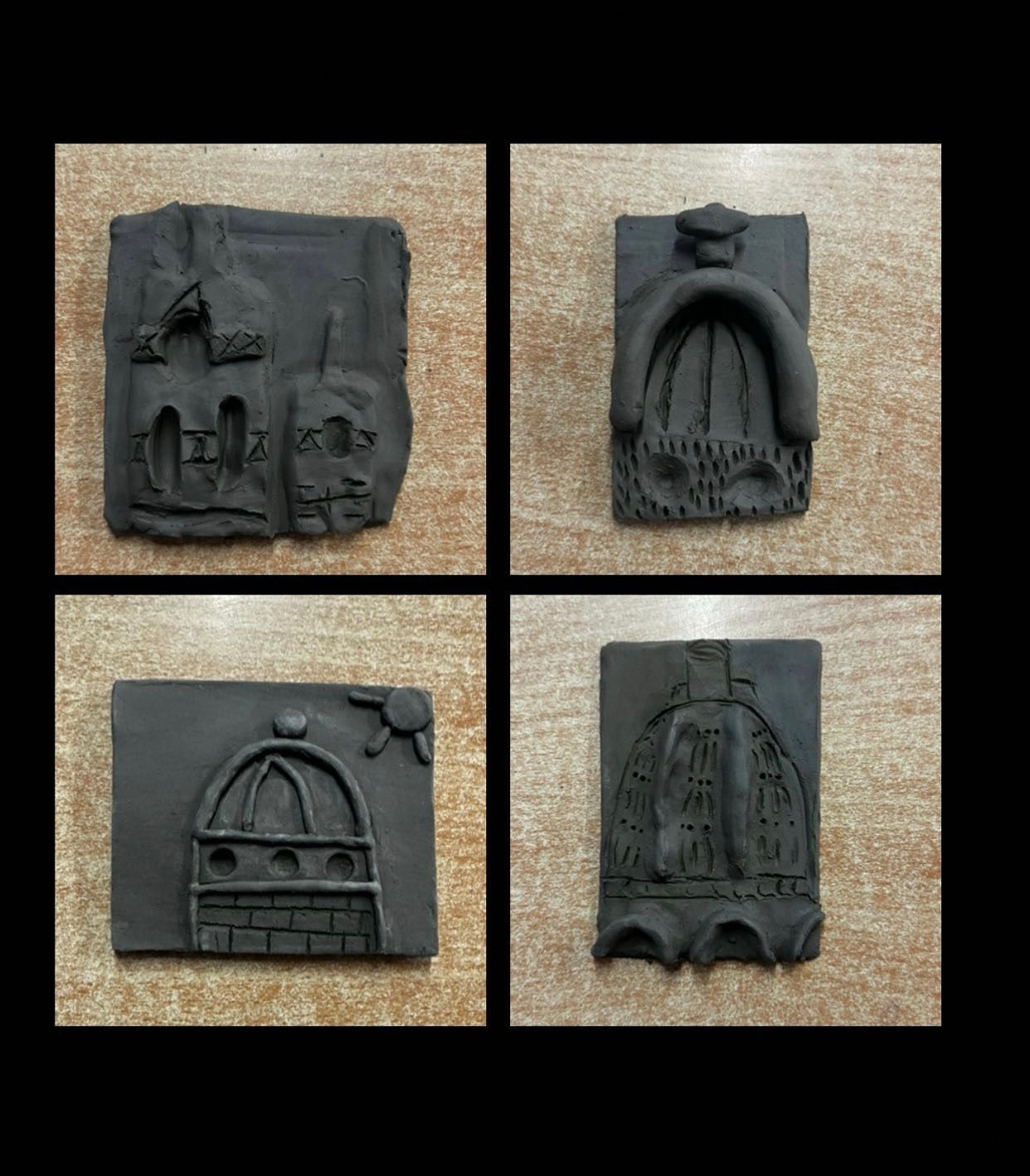
In Year 6 Art, we learned that Brunelleschi designed Florence Cathedral and that Ghiberti created relief sculptures, including the famous Gates of Paradise 🚪✨.
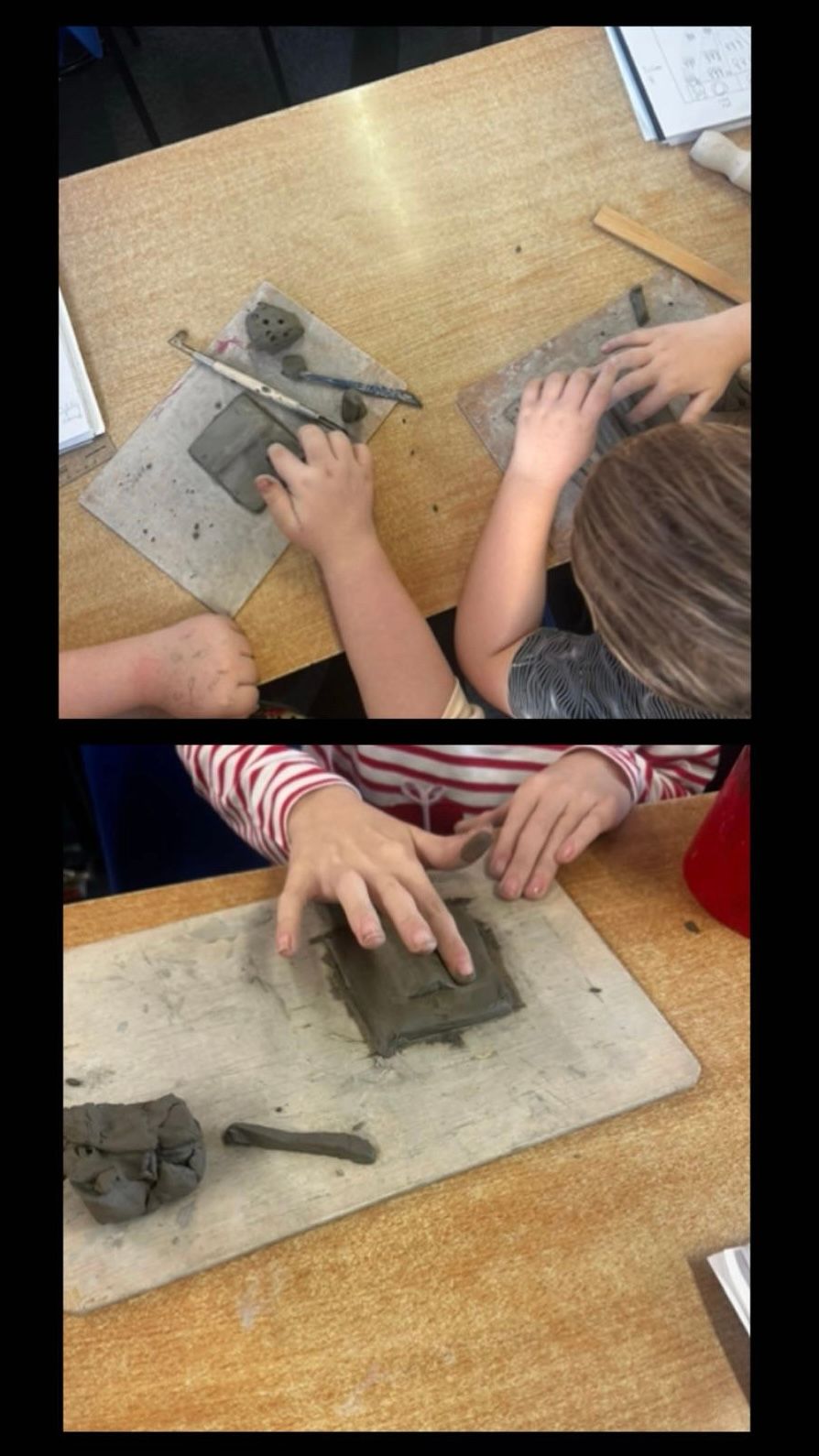
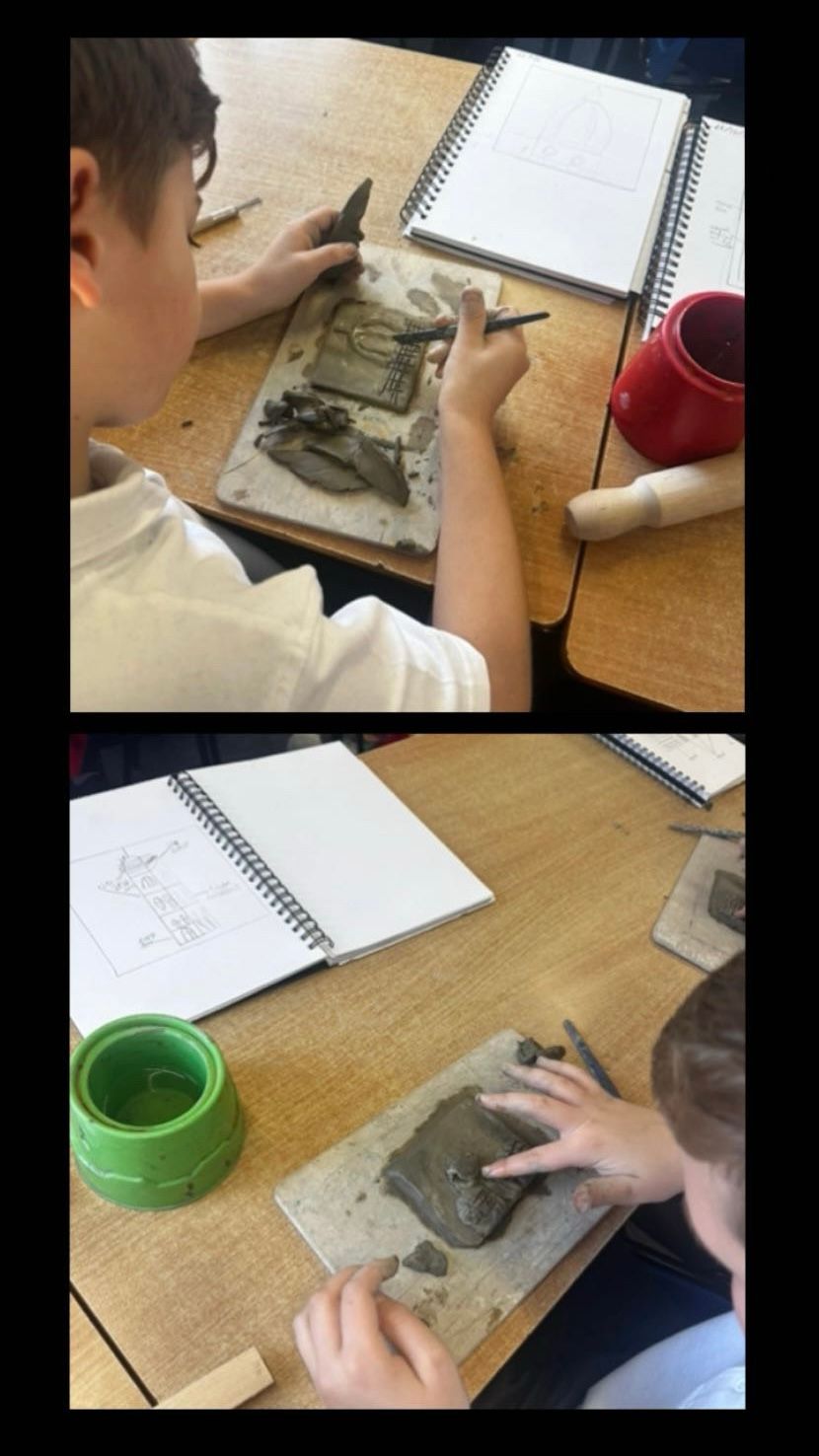
Inspired by this, we designed our own relief tiles of Florence Cathedral 🖊️. This week, we modelled our designs using clay 🧱. We added details by cutting and drawing into the clay, and by adding clay using cross-hatching and slip 💧. We finished by smoothing the edges with tools and our fingers 👍.
Year 6 worked creatively and produced some fantastic tiles! 🌟🎉
Week commencing: 1st December 2025
Science -Lighting up our day!!🌈🔬
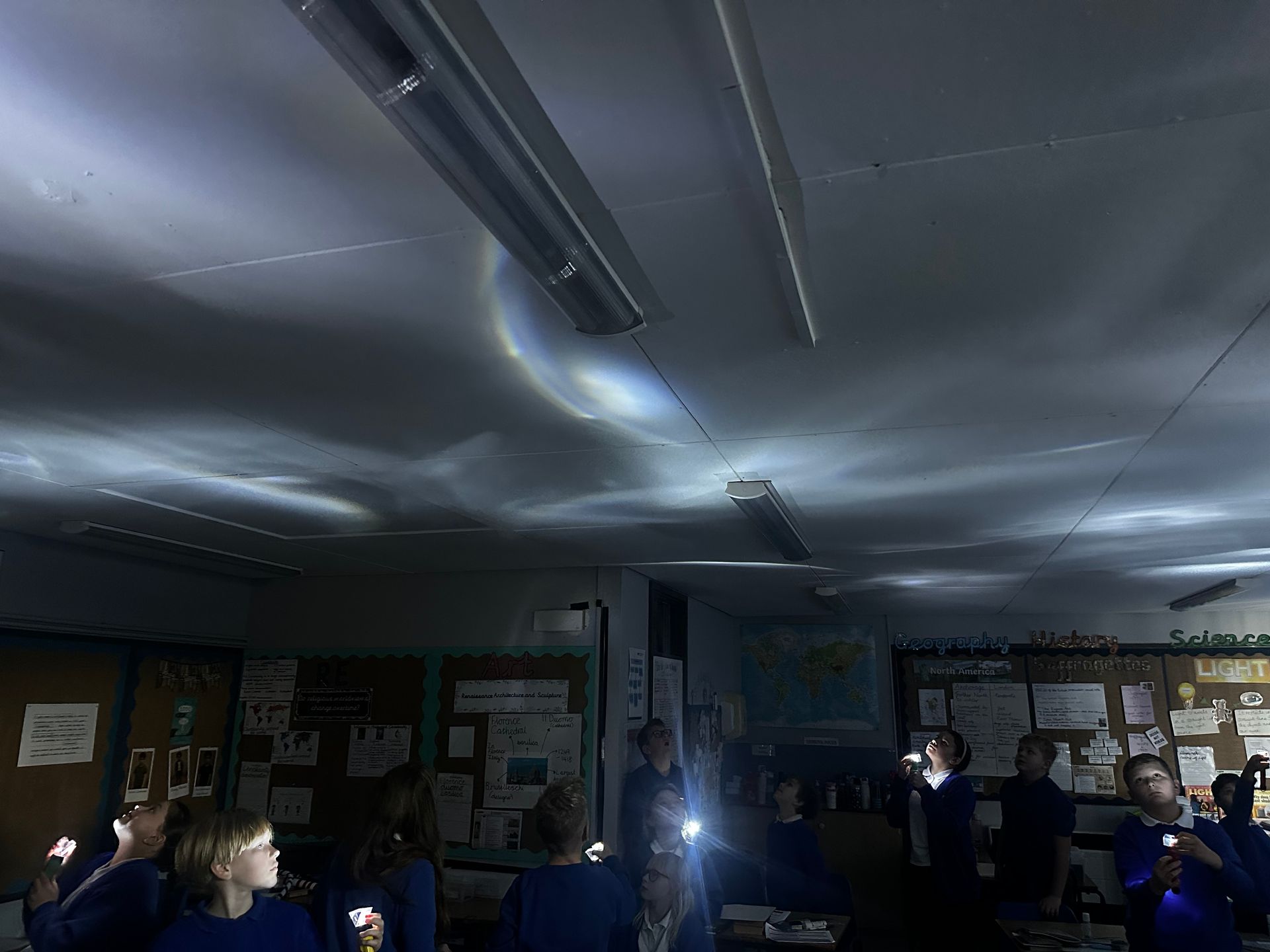
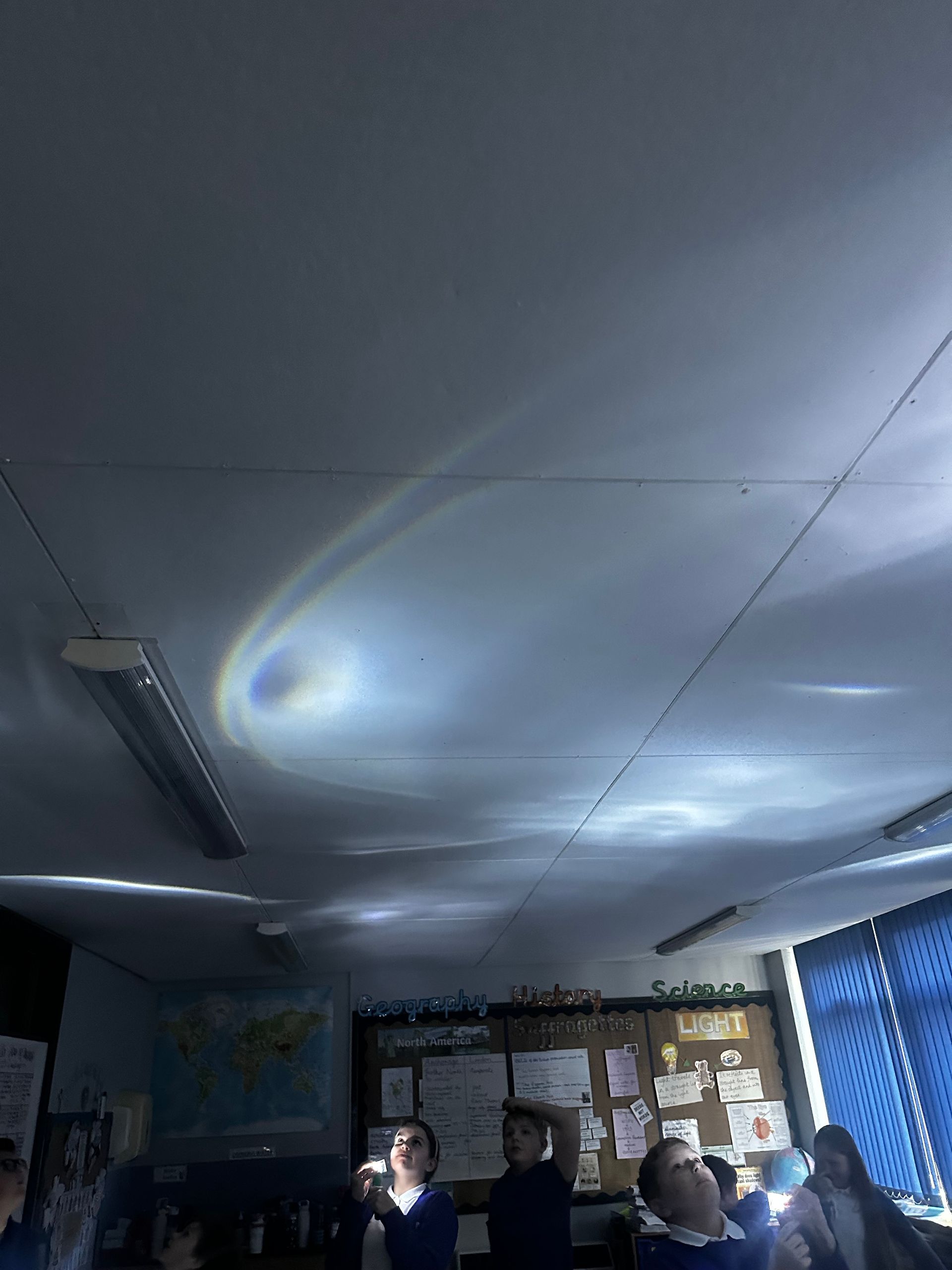
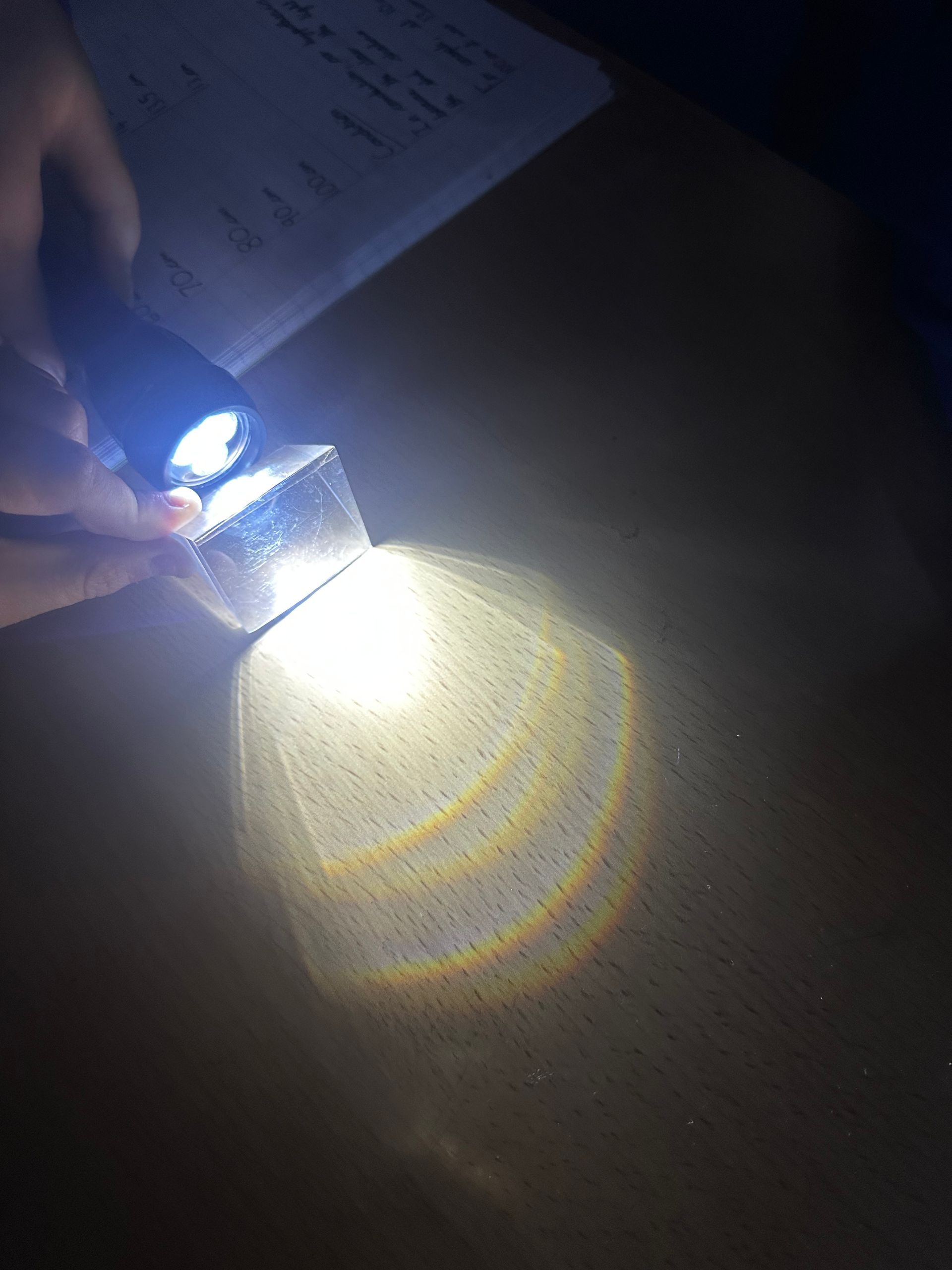
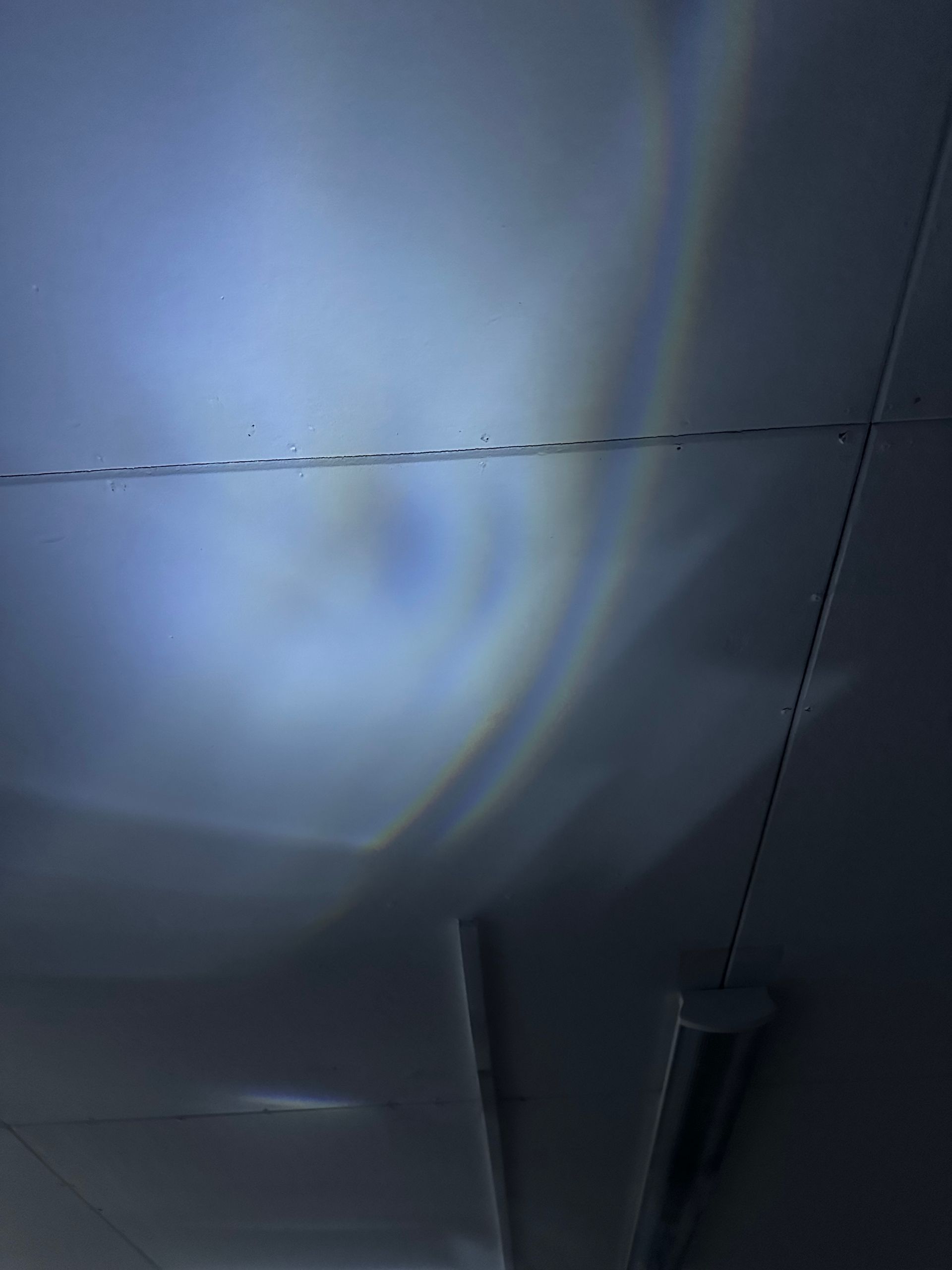
This week in Year 6 Science, we explored light through scientific investigation. We learned that the light from the sun is called white light, and although it looks colourless, it is actually made up of all the colours of the rainbow 🌈.
We investigated what happens when light travels through a prism. The glass slows the light down and makes it change direction. We discovered that different colours slow down by different amounts, which causes the light to split into a rainbow pattern ✨.
We worked scientifically by observing carefully, discussing our ideas, and explaining what we saw — just like real scientists! 🧠🔍
Week commencing: 24th November 2025
💦🔧 Year 6 Class Blog: Water Wall Project! 💦🔧
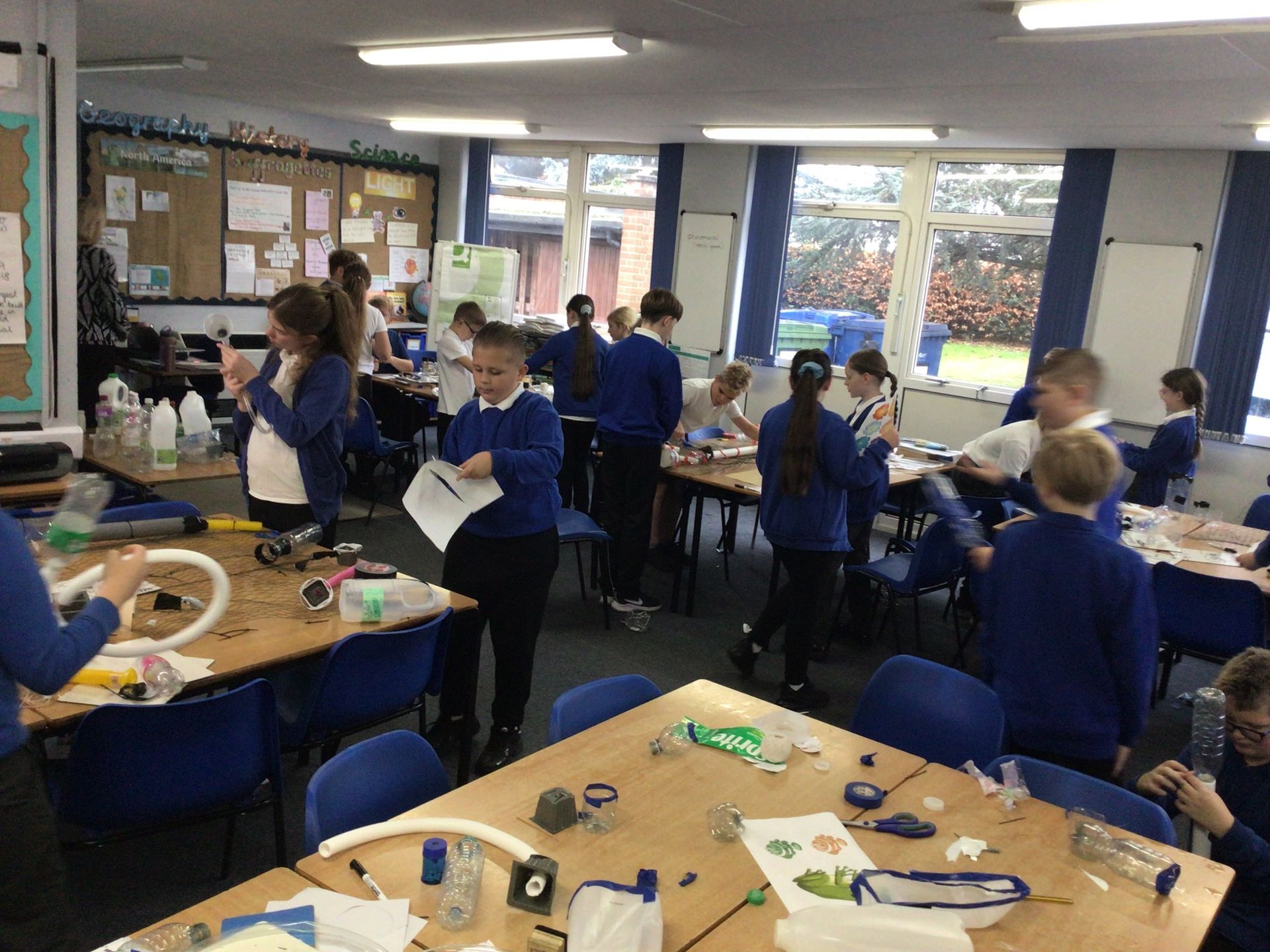
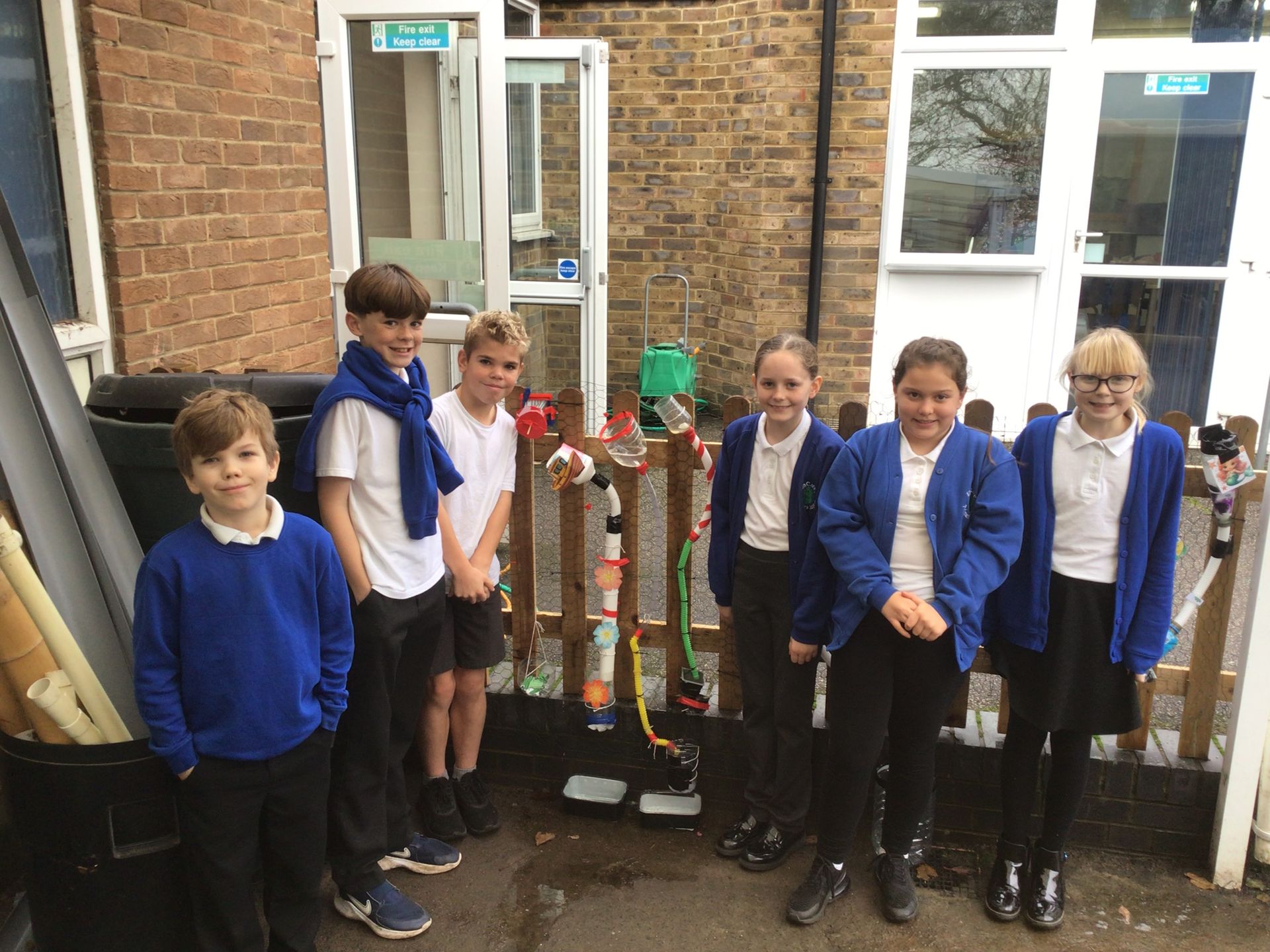
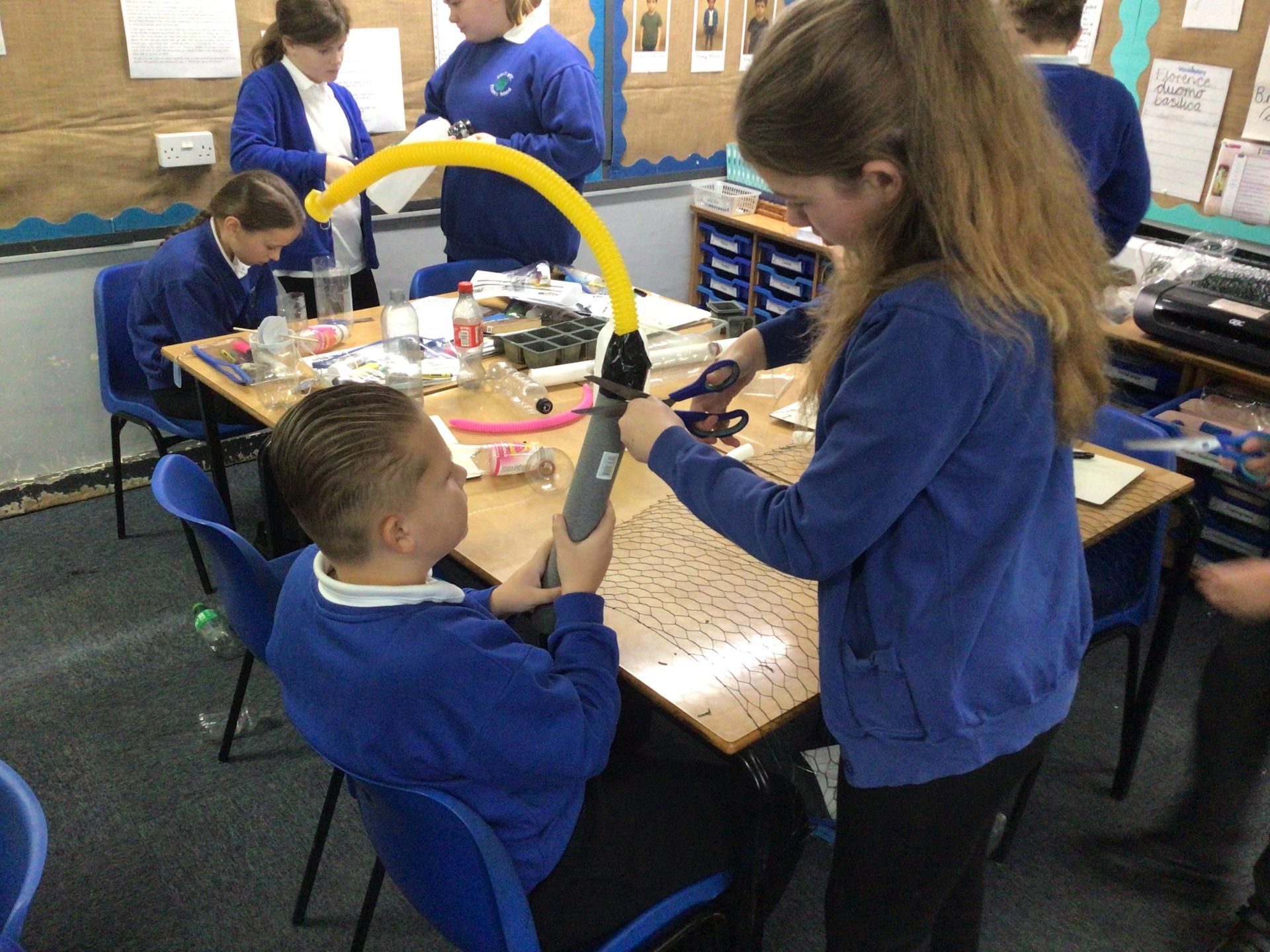
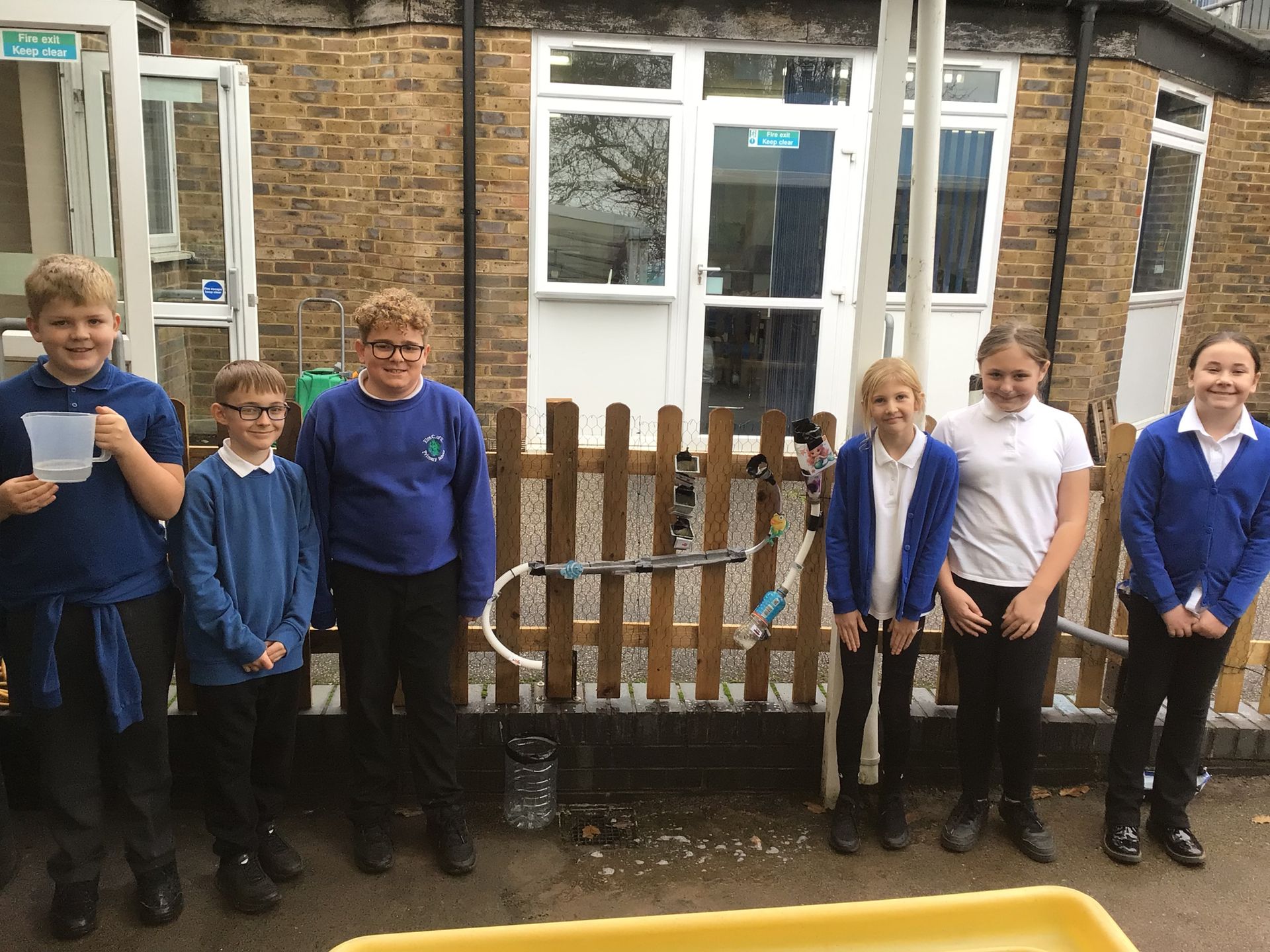
On Thursday, Year 6 designed and built a water wall for our Reception pupils. We started by researching how water walls work and investigating pulleys and the Archimedes’ screw, looking at real-life examples to understand how they move water. We then designed our ideas by creating criteria based on the user, purpose and function. We sketched plans, made prototypes and chose strong, stable 3D structures. We also focused on using recycled materials to reduce plastic pollution and talked about eco-friendly engineering, including Nav Sawhney’s Washing Machine Project.🌍♻️
Next, we made our water walls, practising skills like cutting, tying knots, sticking and making holes safely. Finally, we tested and evaluated them with the Reception children, checking how well they met our design criteria.✂️✏️
A great day of creativity, teamwork and engineering!🌟🌟🌟
Week commencing: 17th November 2025
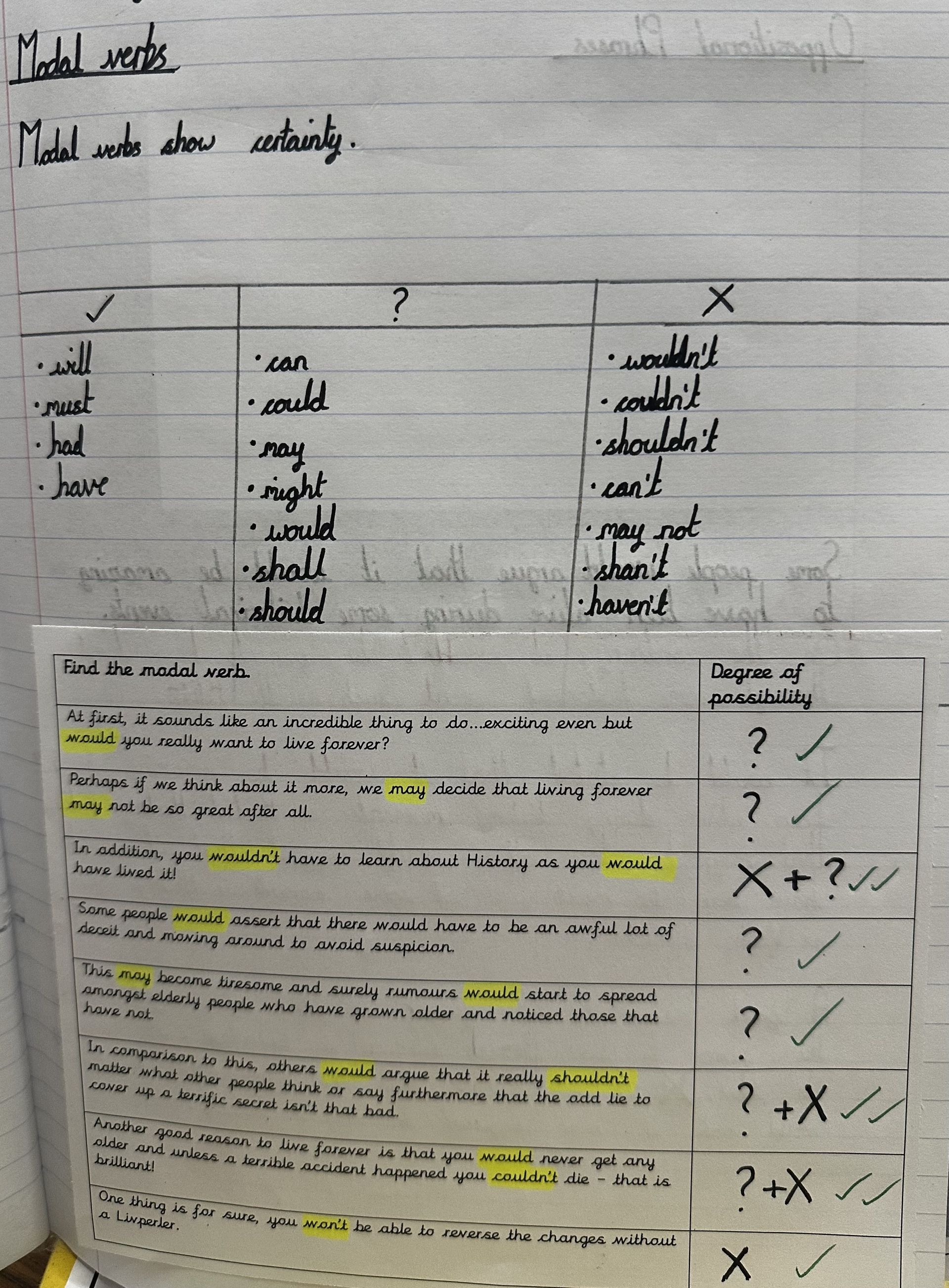
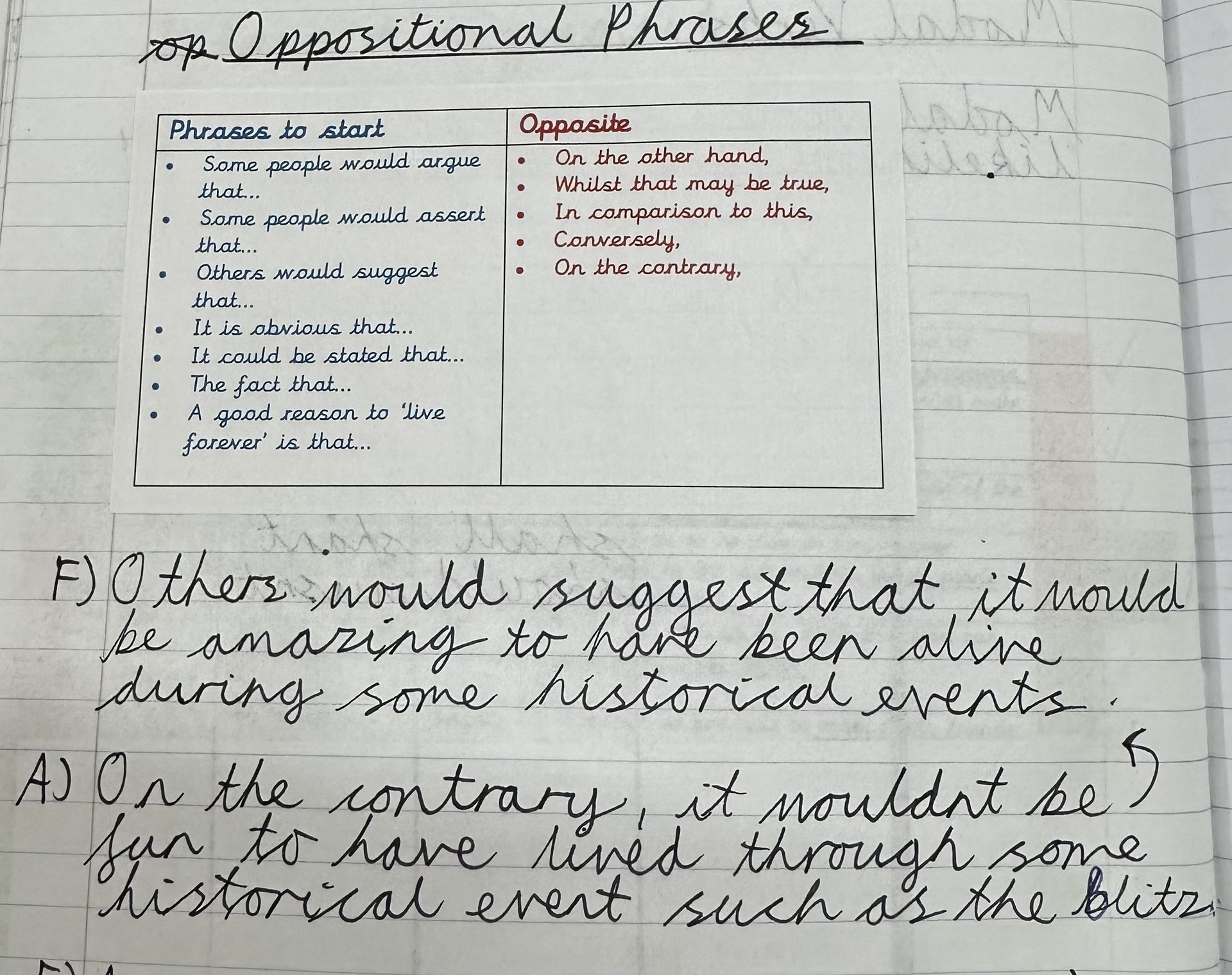
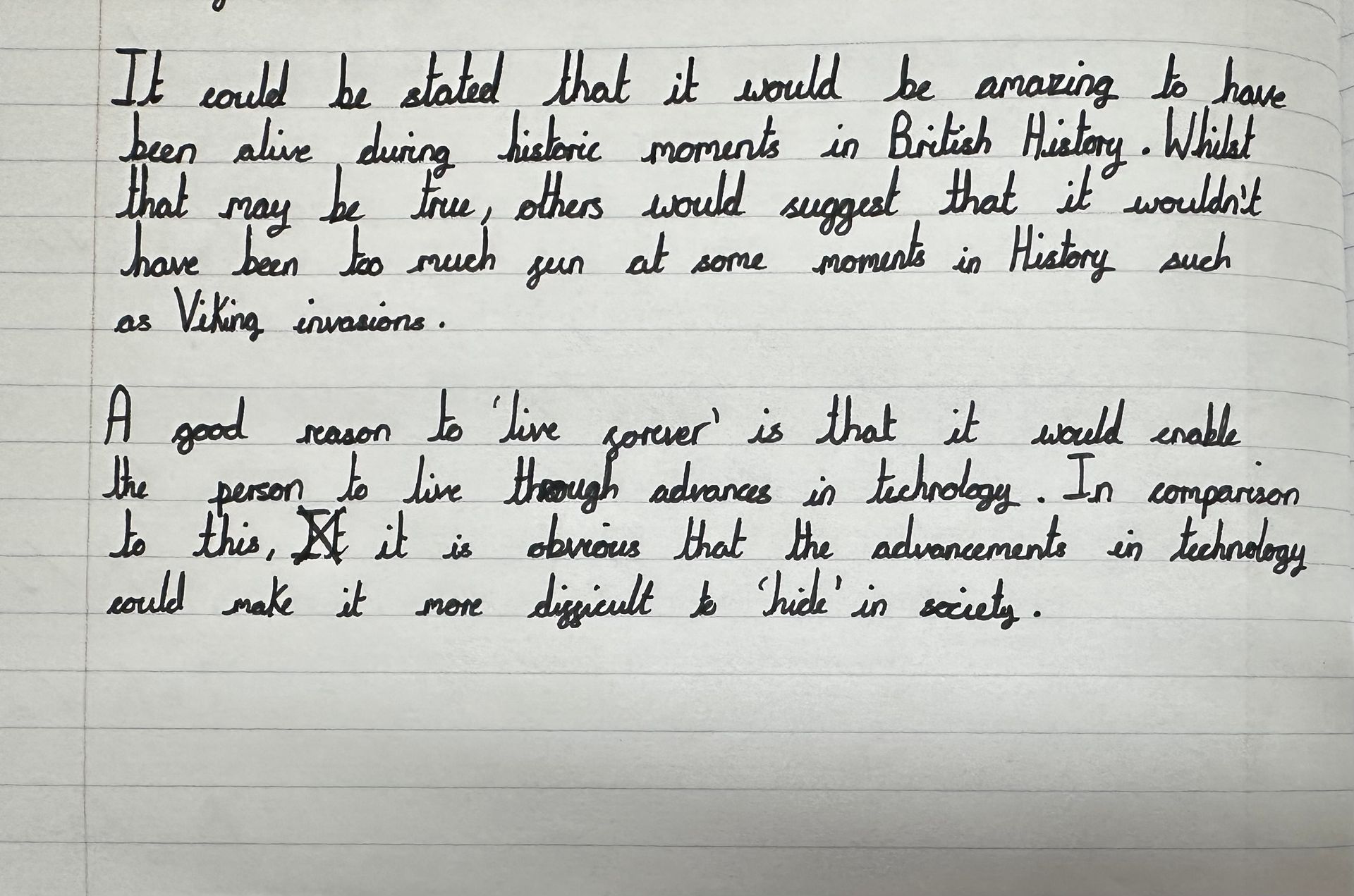
📝 Year 6 Writing Blog: Would You Want to Live Forever? 🌟
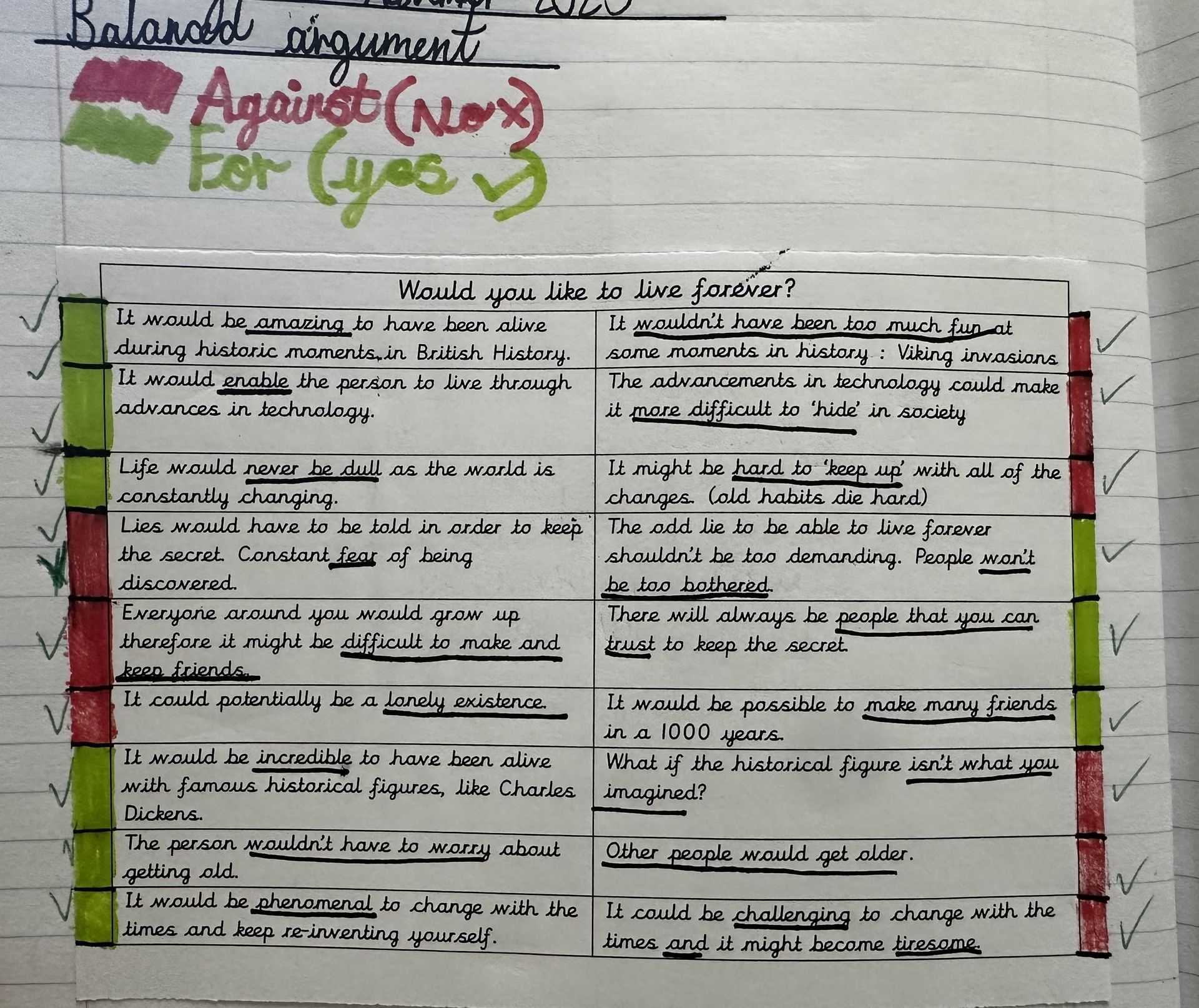
This week, Year 6 have started an exciting new writing project inspired by our whole-class reading book, The 1000 Year Old Boy by Ross Welford. We are writing a balanced argument exploring the question: Would you want to live forever? We have been revising modal verbs like might, could, and should to express possibility. We’ve also learned how to use oppositional phrases such as on the other hand and however to show different viewpoints clearly.
So far, we’ve gathered ideas for both sides—thinking about the amazing opportunities of living forever, as well as the challenges it might bring. We’re excited to develop our arguments and write persuasively!
Watch this space for some thoughtful and balanced writing soon! ✍️✨
Week commencing: 10th November 2025
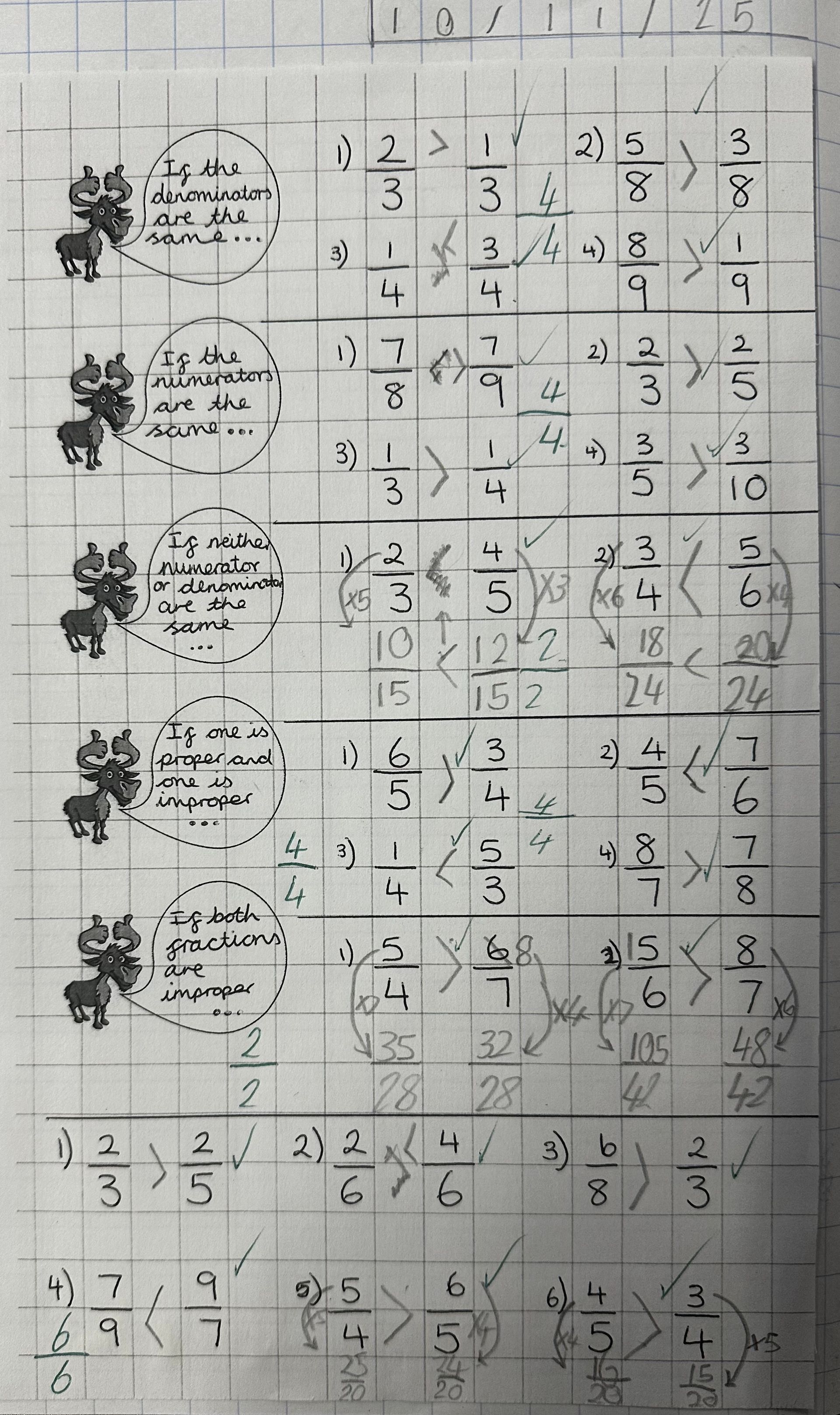
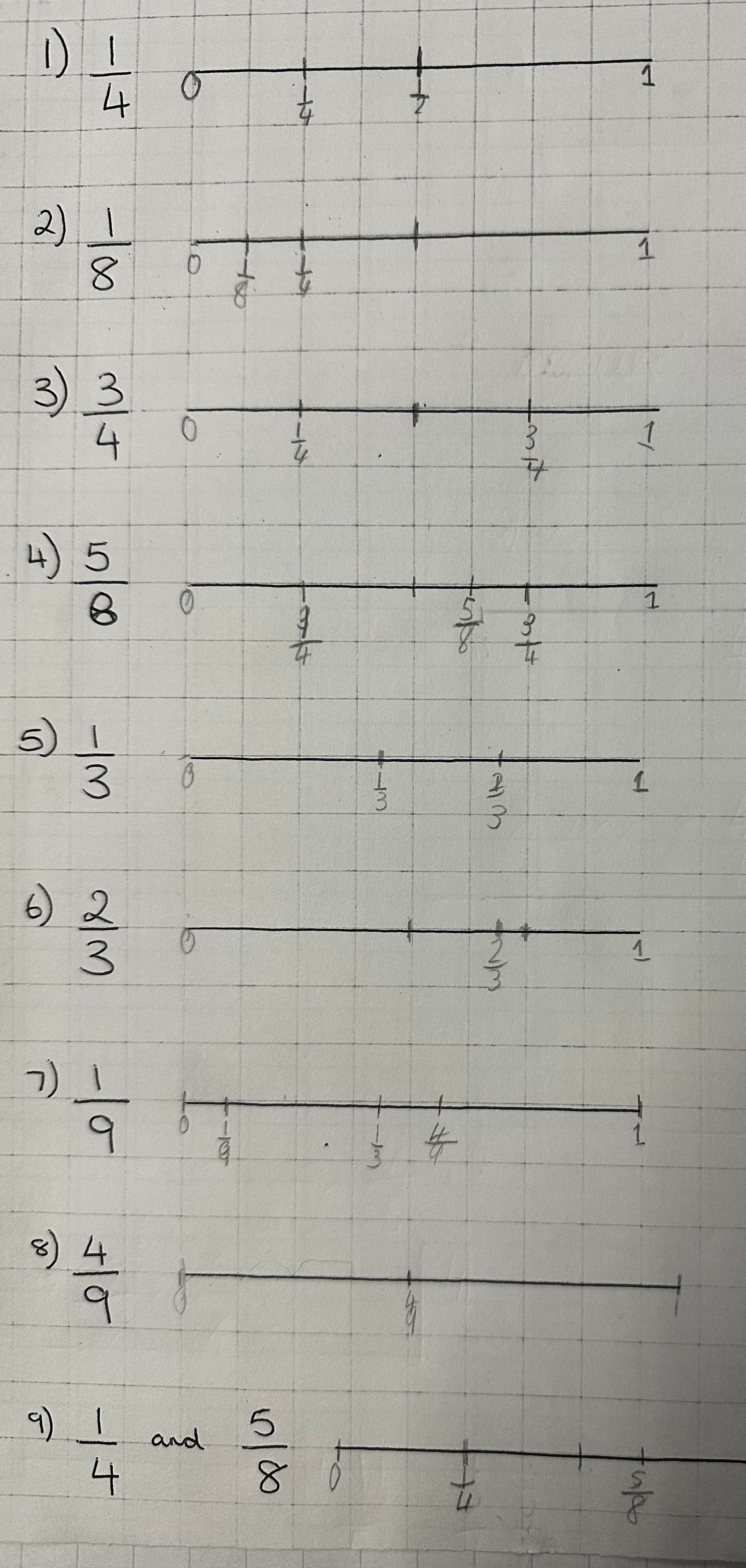
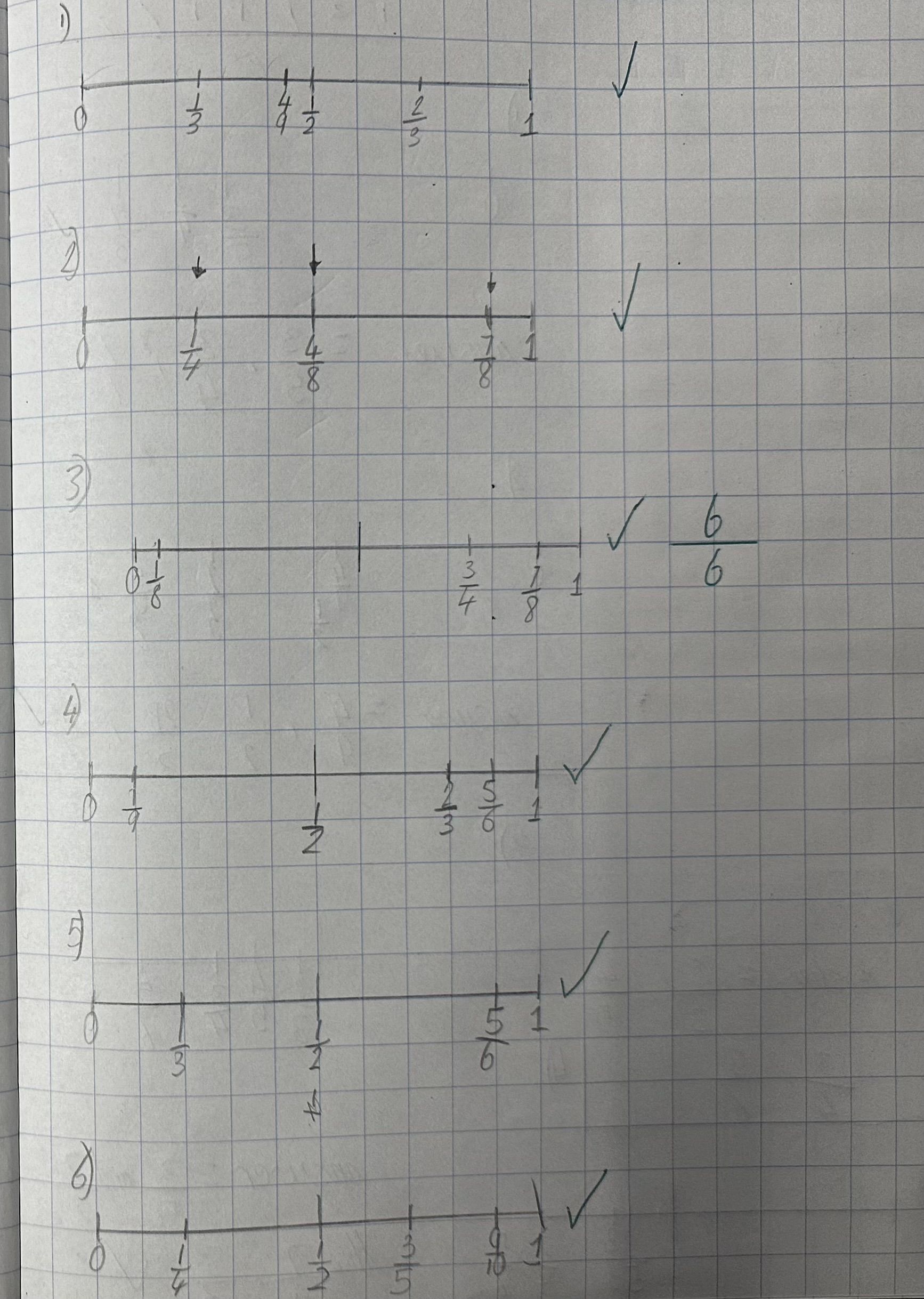
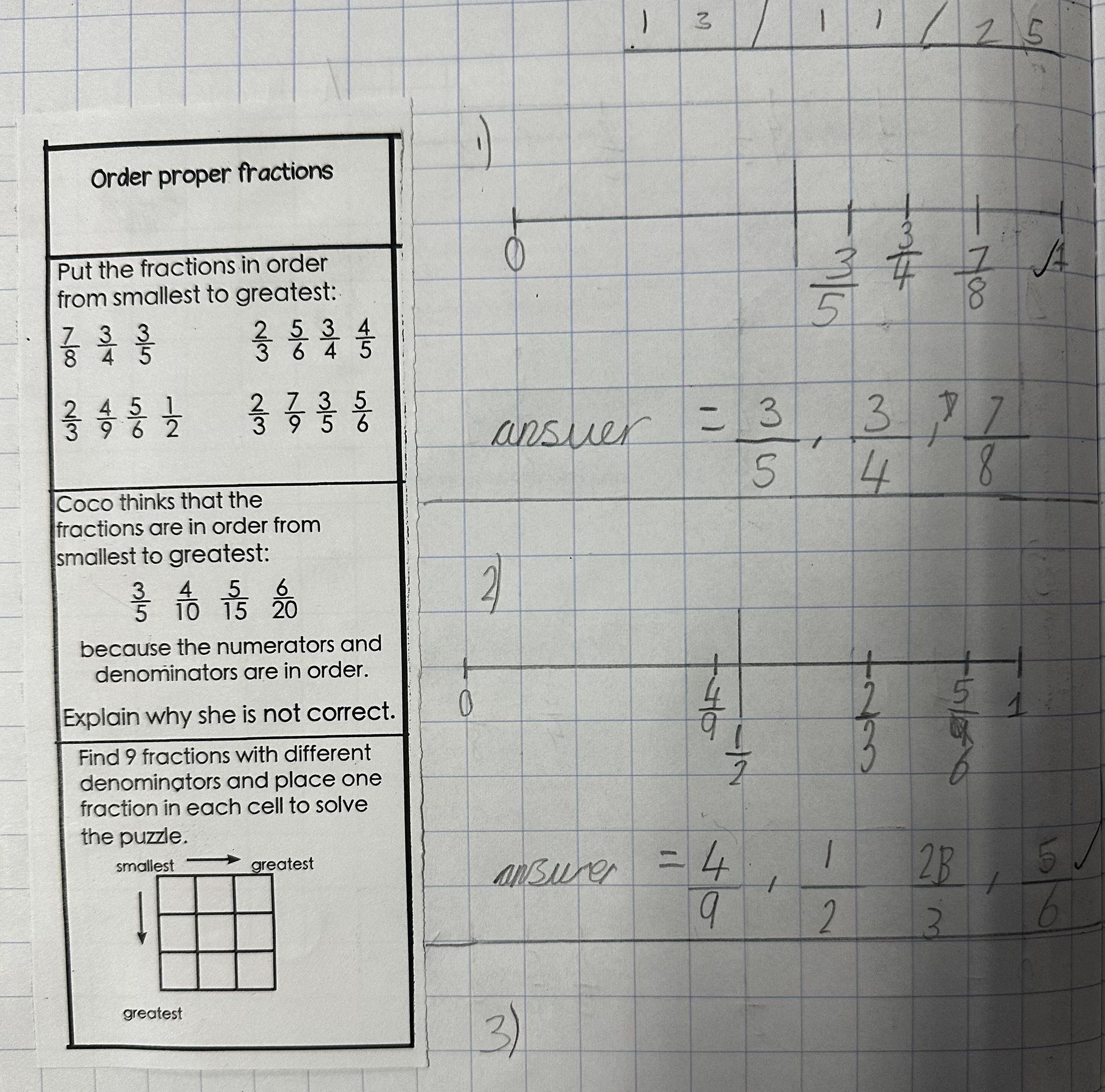
📘 Year 6 Maths Blog – Comparing & Ordering Fractions
This week, Year 6 have been busy using Can Do Maths to compare and order fractions. They used their core knowledge of fractions on number lines to spot which fractions were bigger or smaller—and explain why! ➗📏
Pupils loved plotting fractions on number lines and using benchmarks like ½ to guide their thinking. They worked brilliantly together, checking each other’s ideas and becoming much more confident with tricky fractions. 💡🤝
Well done, Year 6—you’re becoming true fraction experts! ⭐👏
Week commencing: 3rd November 2025
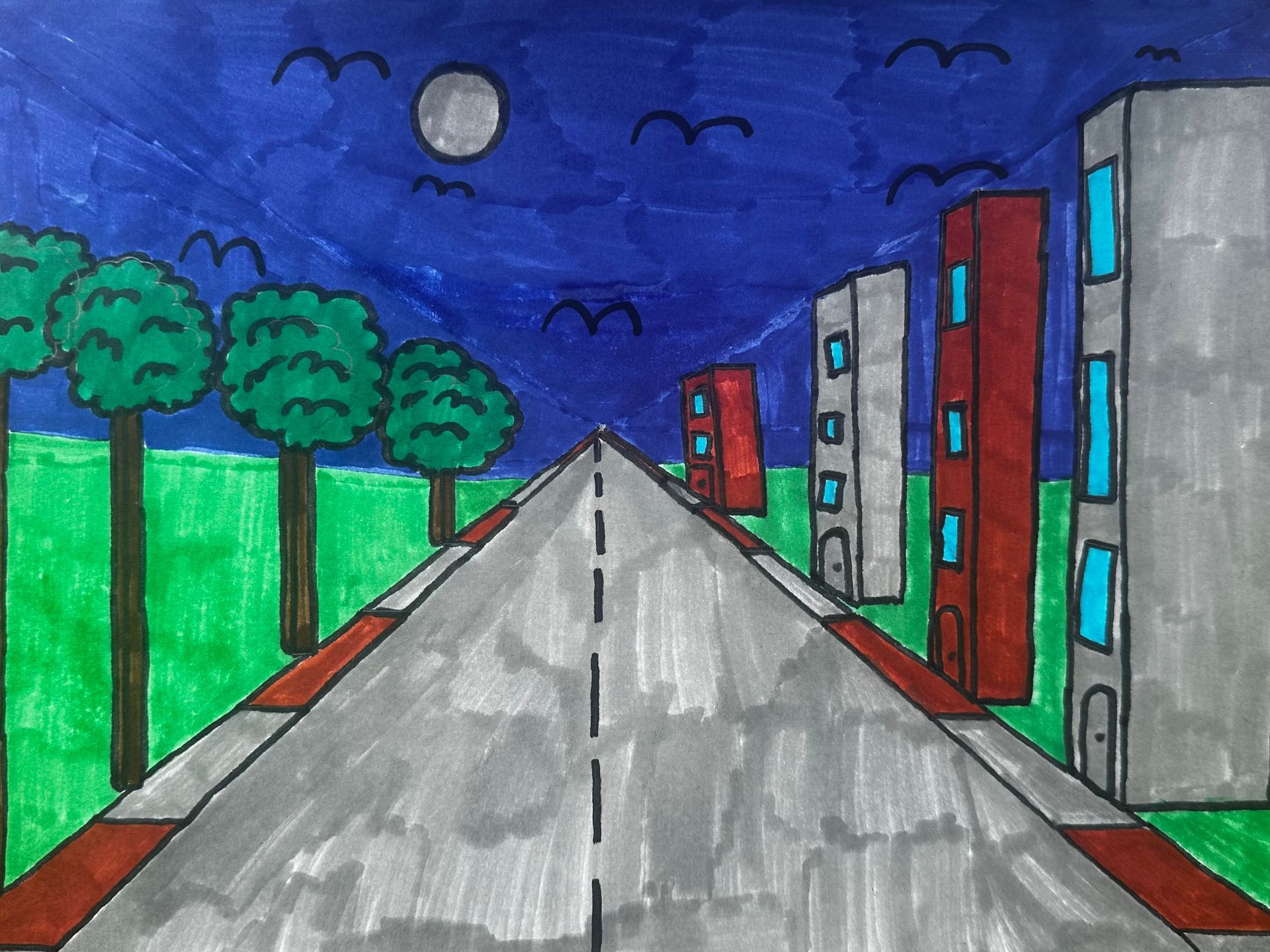
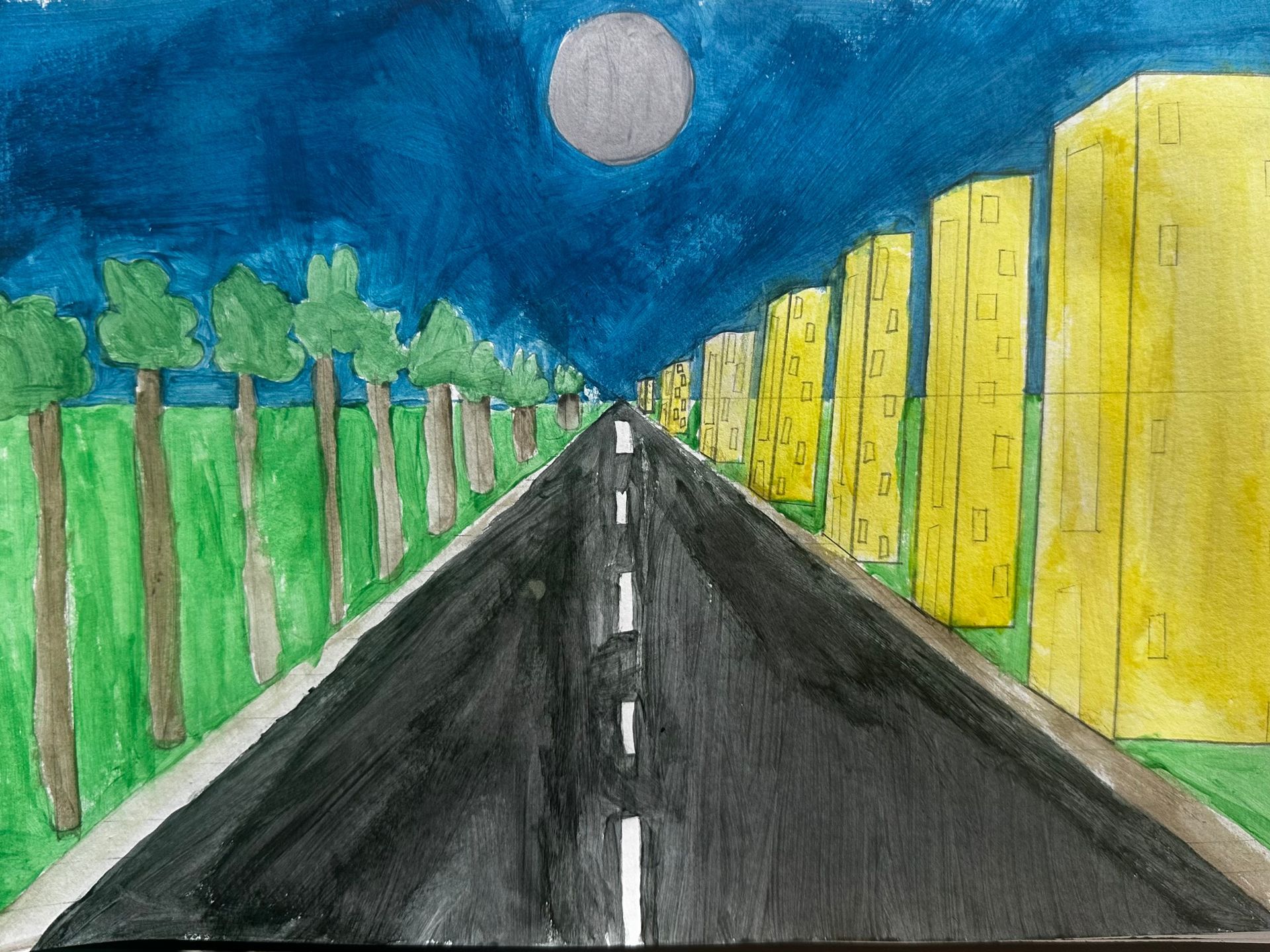
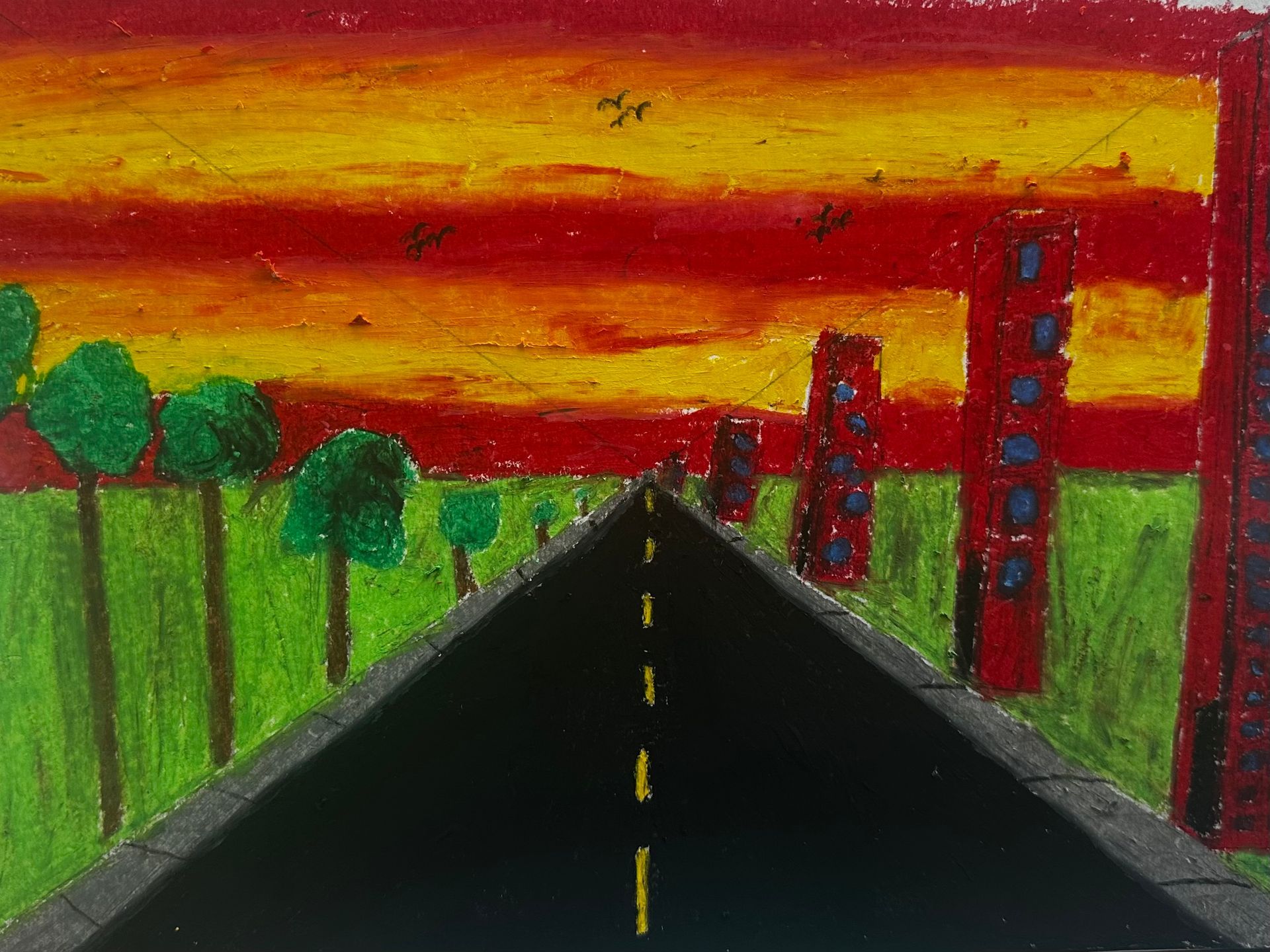
🎨 Learning About Linear Perspective 🎨
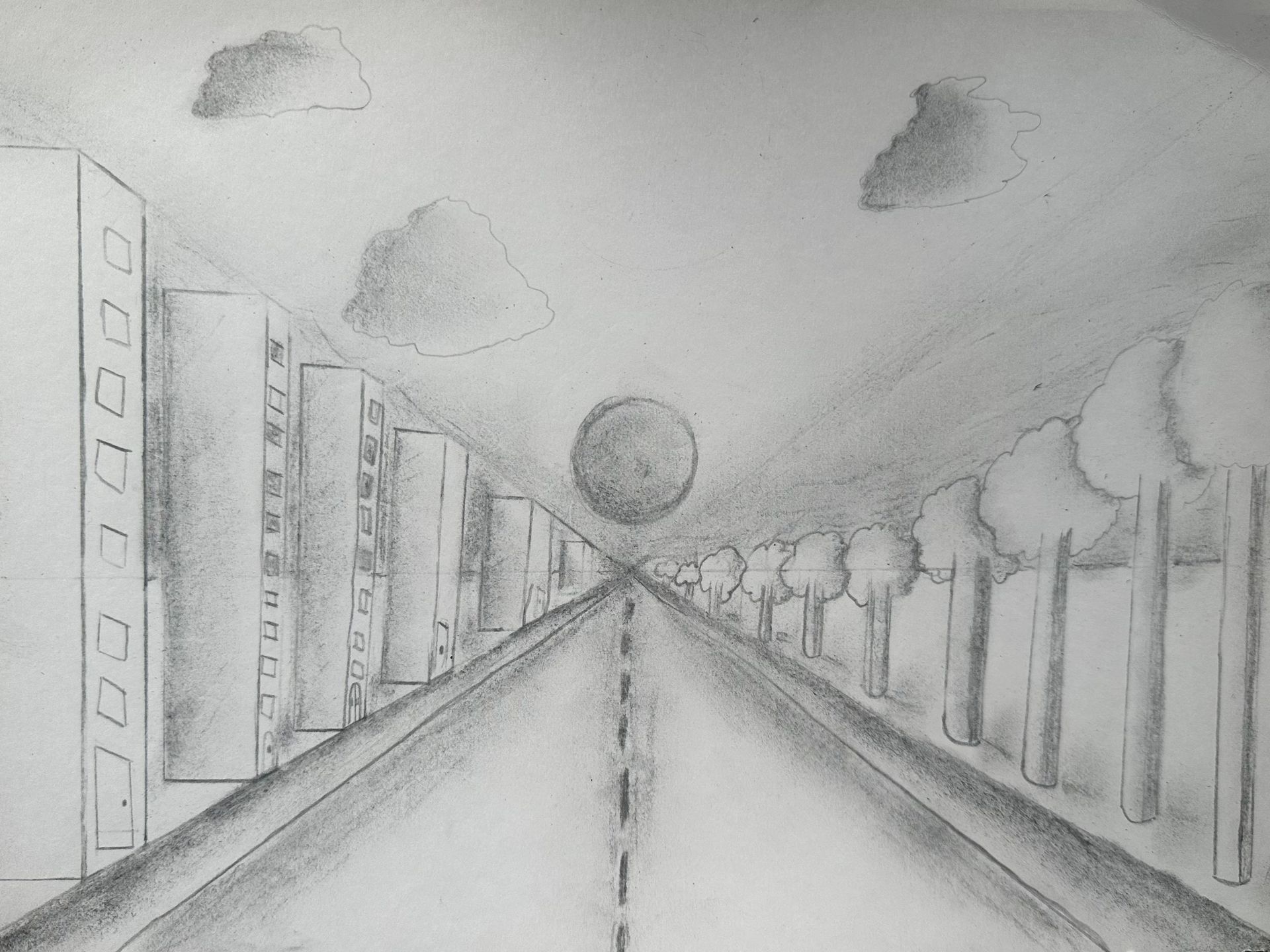
This week, Year 6 explored how Renaissance artists made their paintings look realistic. We learned about linear perspective — a technique that uses lines and shapes to show depth in a flat picture.
Famous artists like Leonardo da Vinci and Raphael used this method to make their scenes look three-dimensional. Inspired by them, we practised drawing our own scenes using vanishing points and horizon lines.
Then we chose our favourite art mediums — pencils, paint, or pastels — to create individual artworks. Our finished pieces looked amazing and really showed how perspective can bring art to life! 💫✨
HALF TERM
Wow, Year 6 — we made it to half term! 🙌
You’ve all worked so hard this term, showing amazing effort, curiosity, and teamwork 💪. From learning about maps and global issues 🌍 to tackling tricky maths problems ➗ and writing fantastic stories ✍️, you’ve really earned this break!
Now it’s time to relax, have fun, and recharge ☀️. Spend time with family, enjoy the things you love, and come back ready for more learning adventures after the holiday!
Well done, Year 6 — we’re so proud of you! 🎓💫
Week commencing: 20th October 2025
🌍 How Maps Help Us Understand the World 🗺️
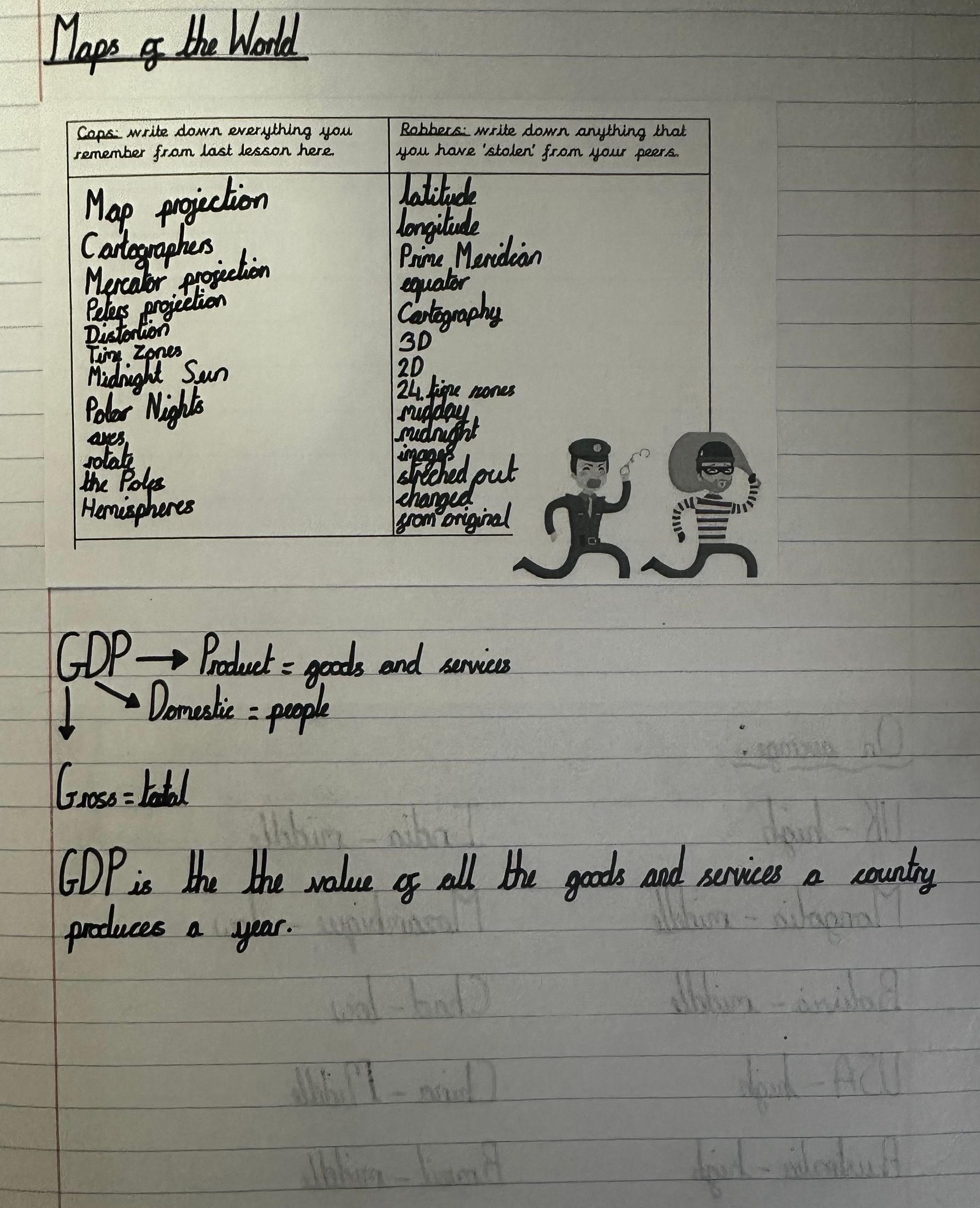
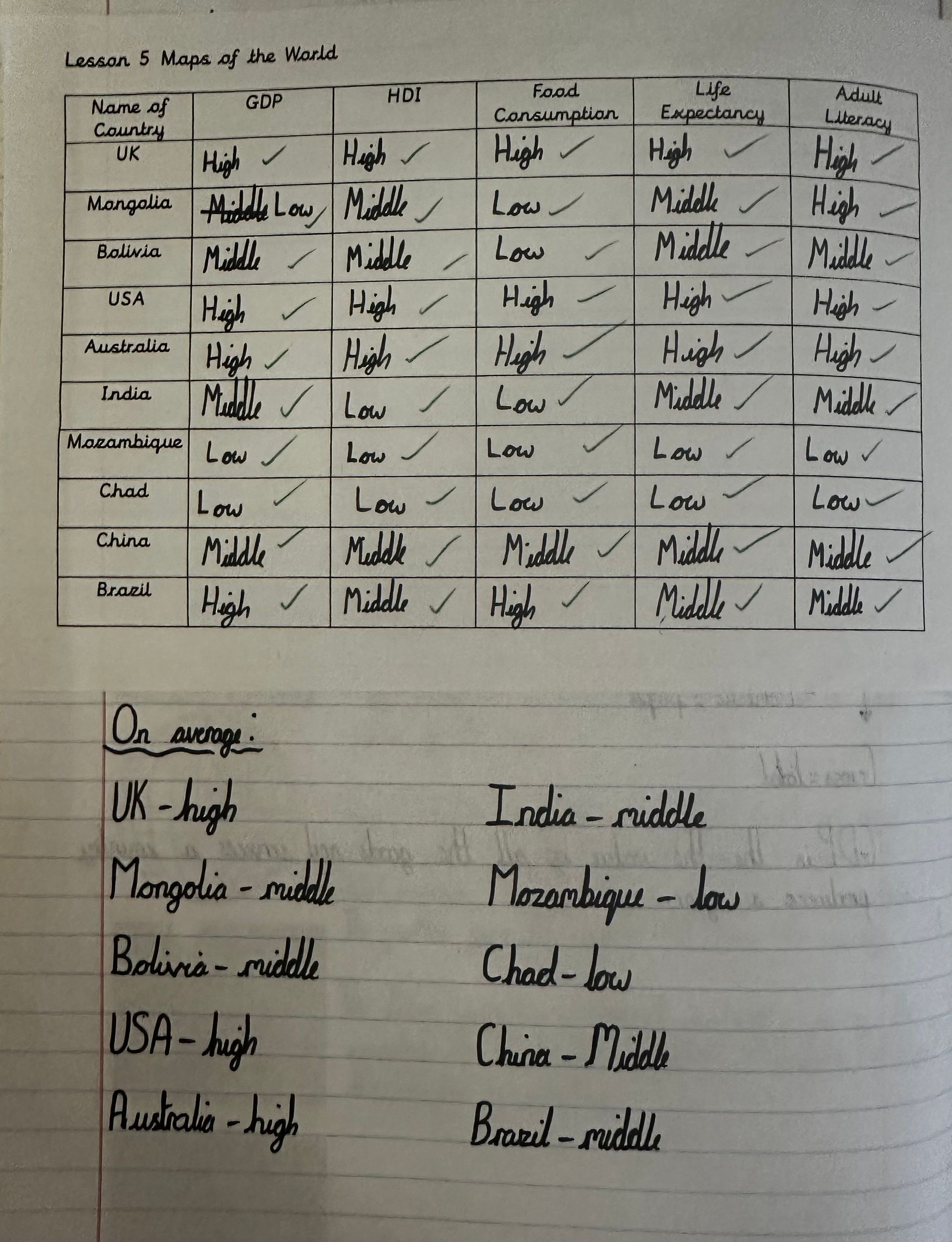
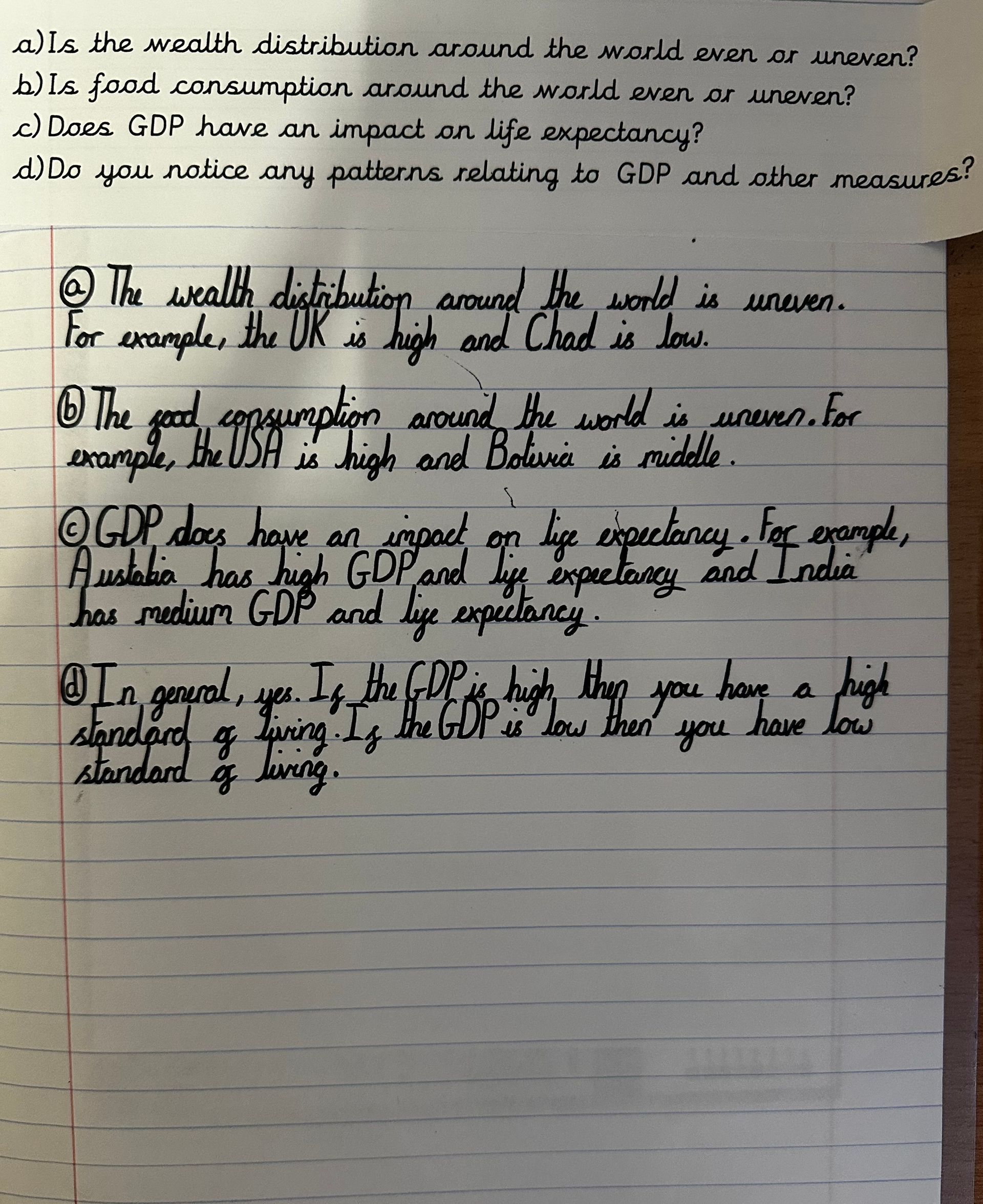
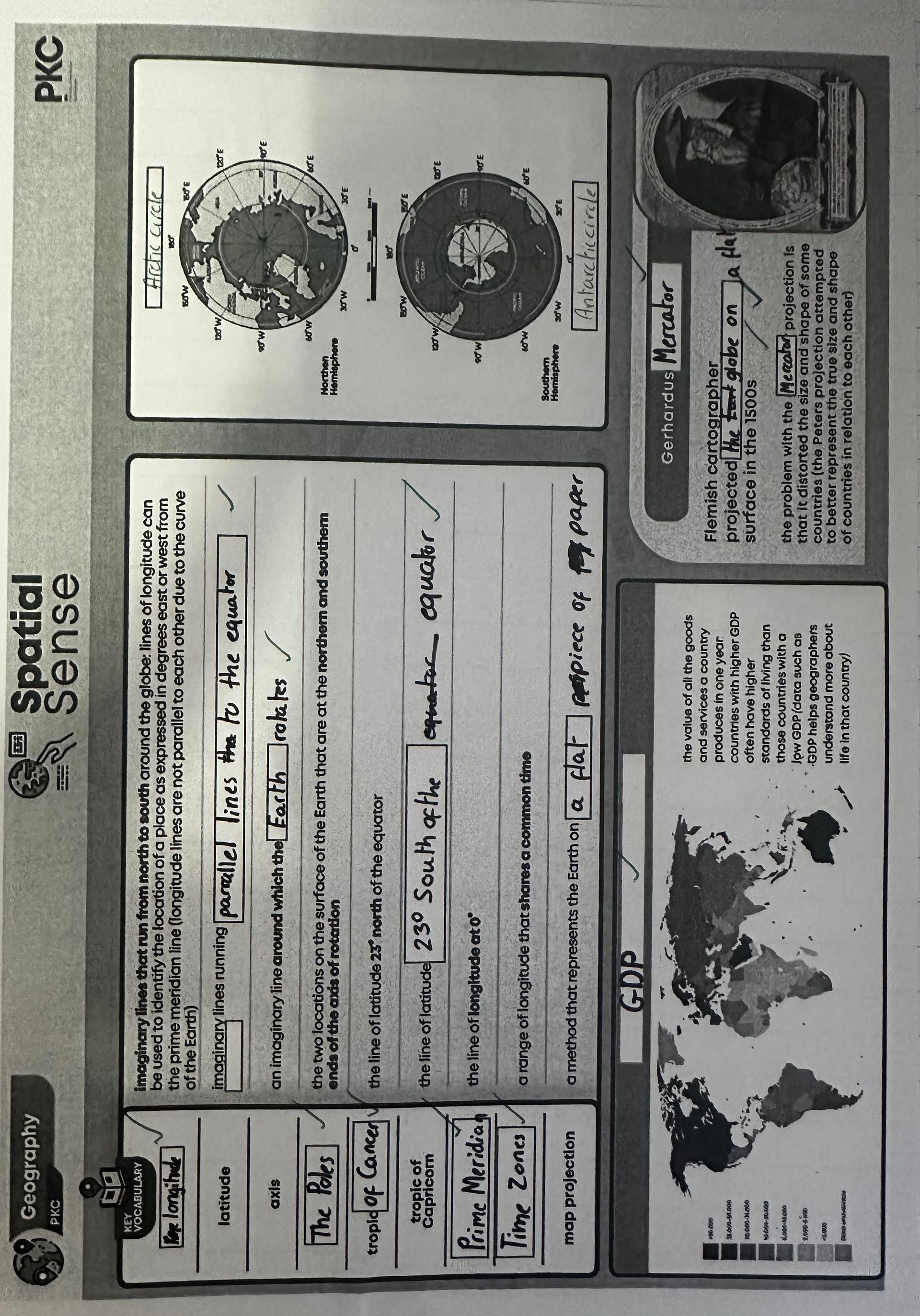
In Year 6 geography, we used atlases to explore global issues. We learned that wealth and food are unevenly distributed around the world. We discovered that wealthier countries like the U.S. and Europe have much higher GDPs than places in Africa or South Asia. We also saw that food consumption is higher in rich countries, while poorer areas struggle with food access.
These maps help us see the big picture about inequality. Understanding the differences in wealth and food can make us more aware of global challenges like hunger and poverty. It might even inspire us to help or make more mindful choices in our own lives.
We have now finished this unit of study and look forward to applying our geography skills into our new unit all about North America!! 🌎✨
Week commencing: 13th October 2025
🎨Art Adventures - Inspired by Leonardo da Vinci!🎨
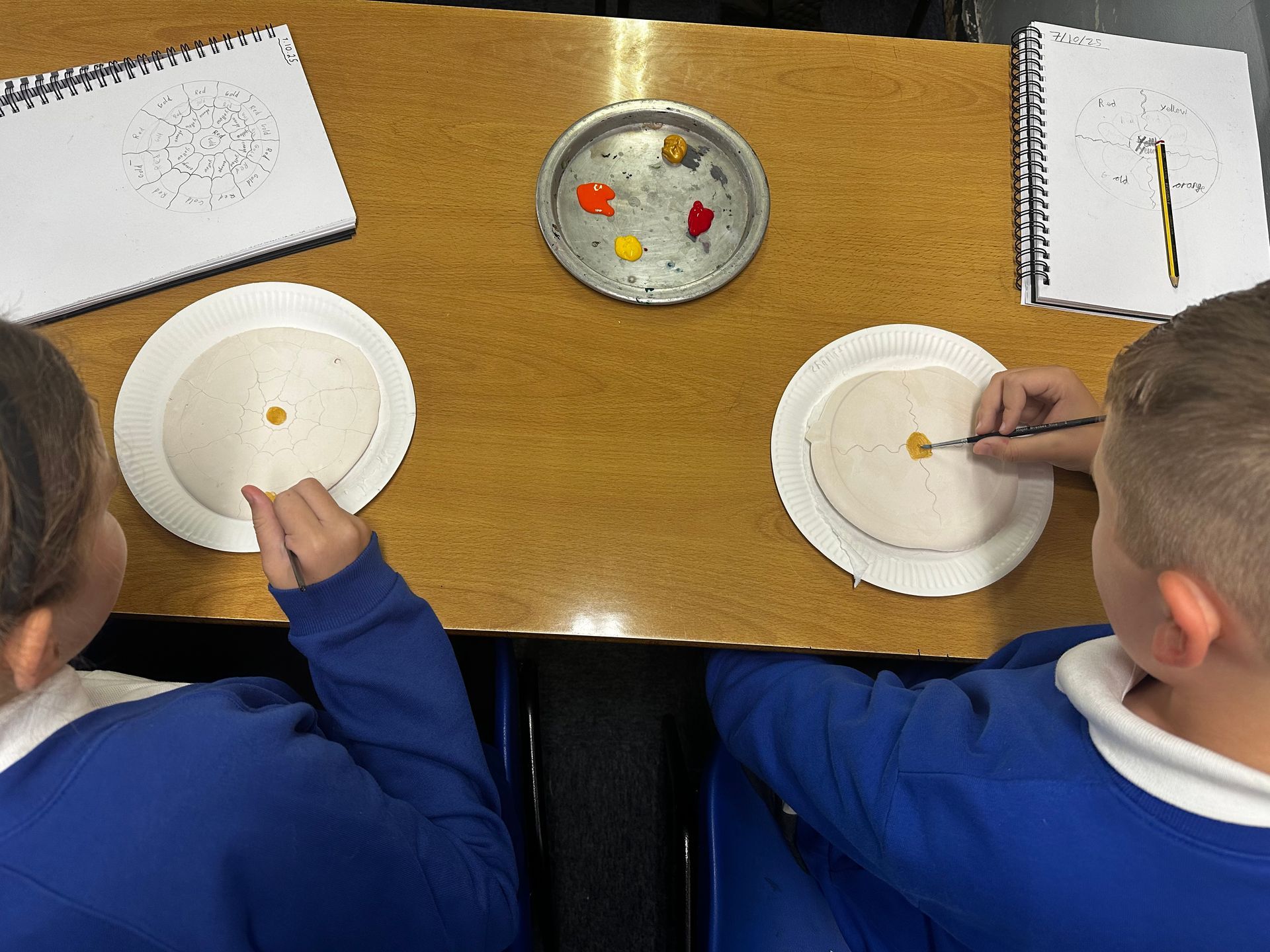
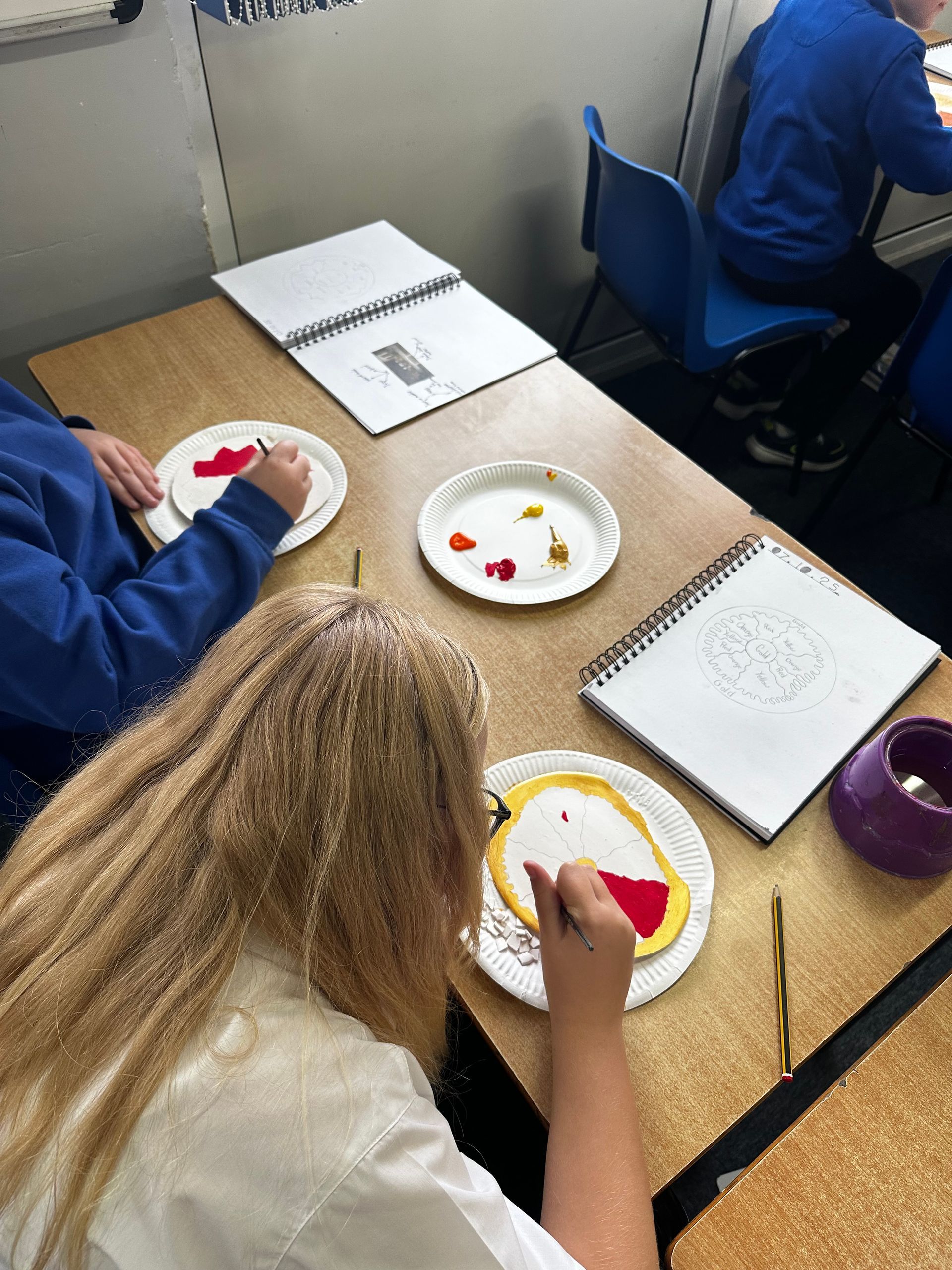
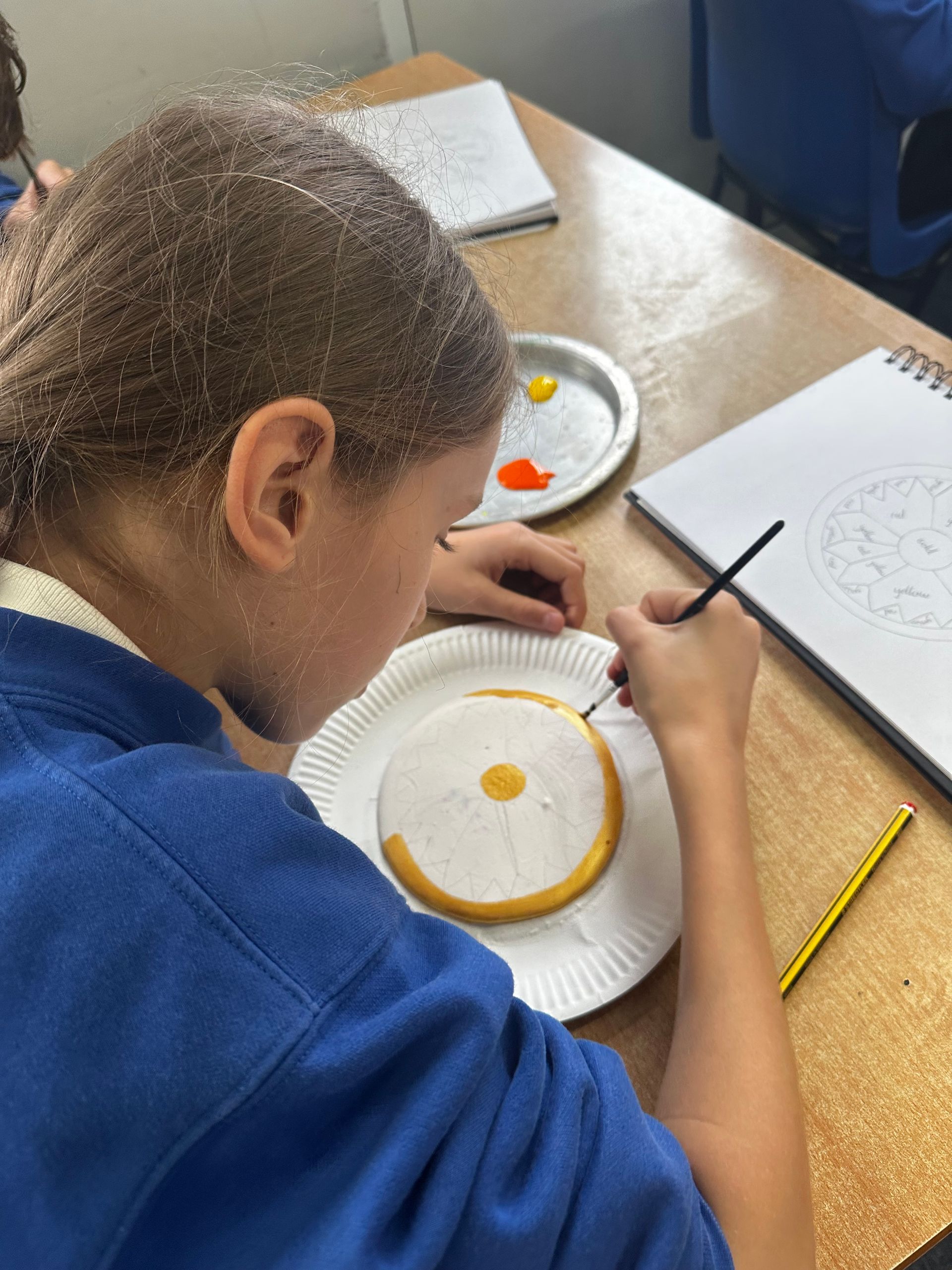
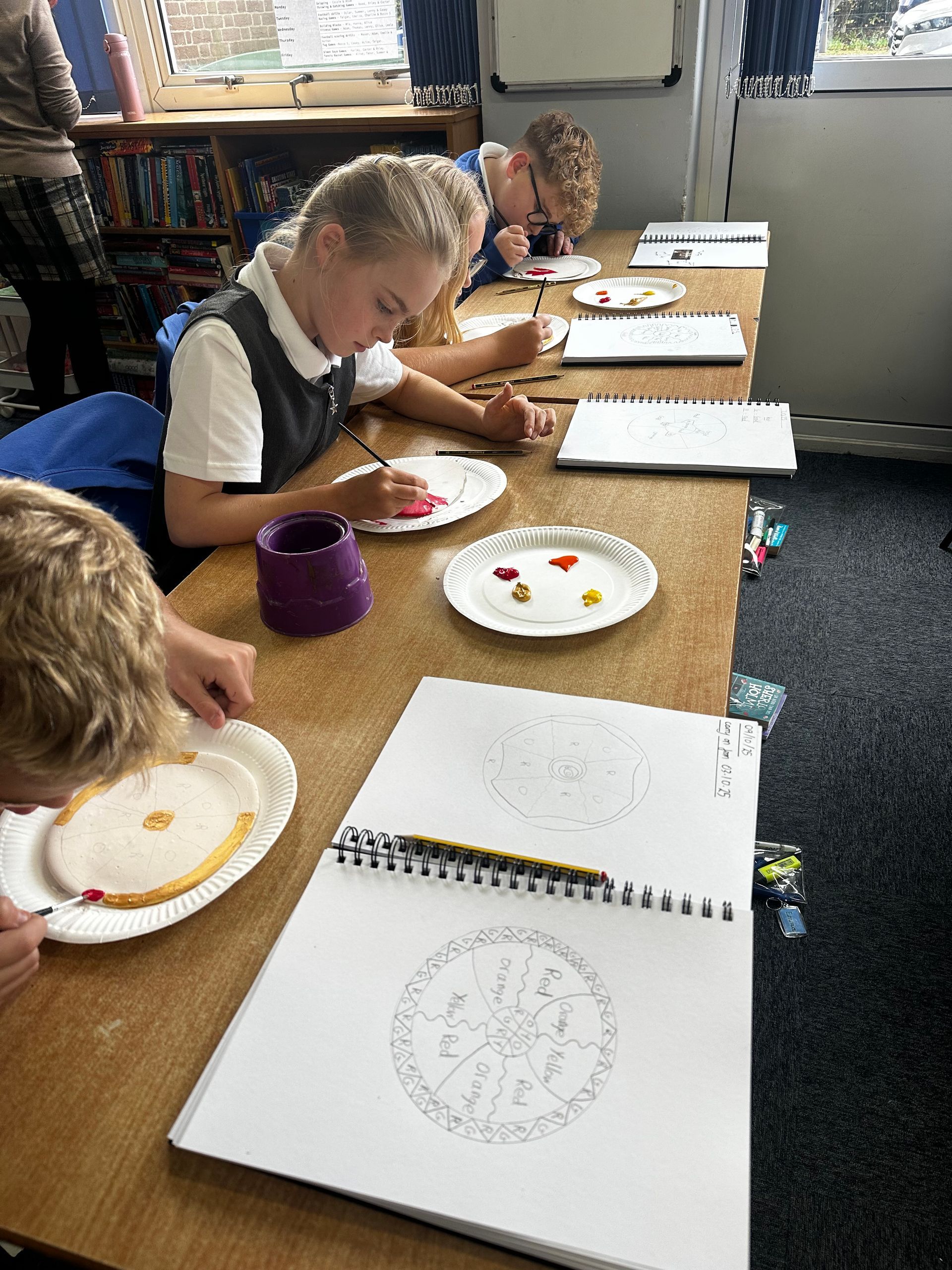
This week in art, we've been learning more about Leonardo da Vinci - and his incredible mural painting, The Last Supper. We discovered that during the Renaissance, murals were usually frescos, which meant they were painted directly onto wet plaster. This technique helped the paint soak in and become part of the wall itself. But guess what? The Last Supper is not a fresco! Leonardo experimented with a different technique - he painted onto dry plaster instead. Sadly, this didn't last as well over time, but it still became one of the most famous paintings in the world!
Inspired by Leonardo's creativity, we had a go at working with plaster ourselves. Each pupil made their very own Plaster of Paris disc, and once they were dry, we painted them with acrylic paints. The results were stunning - a beautiful collection of vibrant colours and designs. It was a fantastic hands-on way to learn about art history and try out some new materials at the same time.
Well done, Year 6 - who knows, we might have some future Renaissance artists among us! ✨✨
Week commencing: 6th October 2025
🐌🕷️🦋 Invertebrates! 🐌🕷️🦋
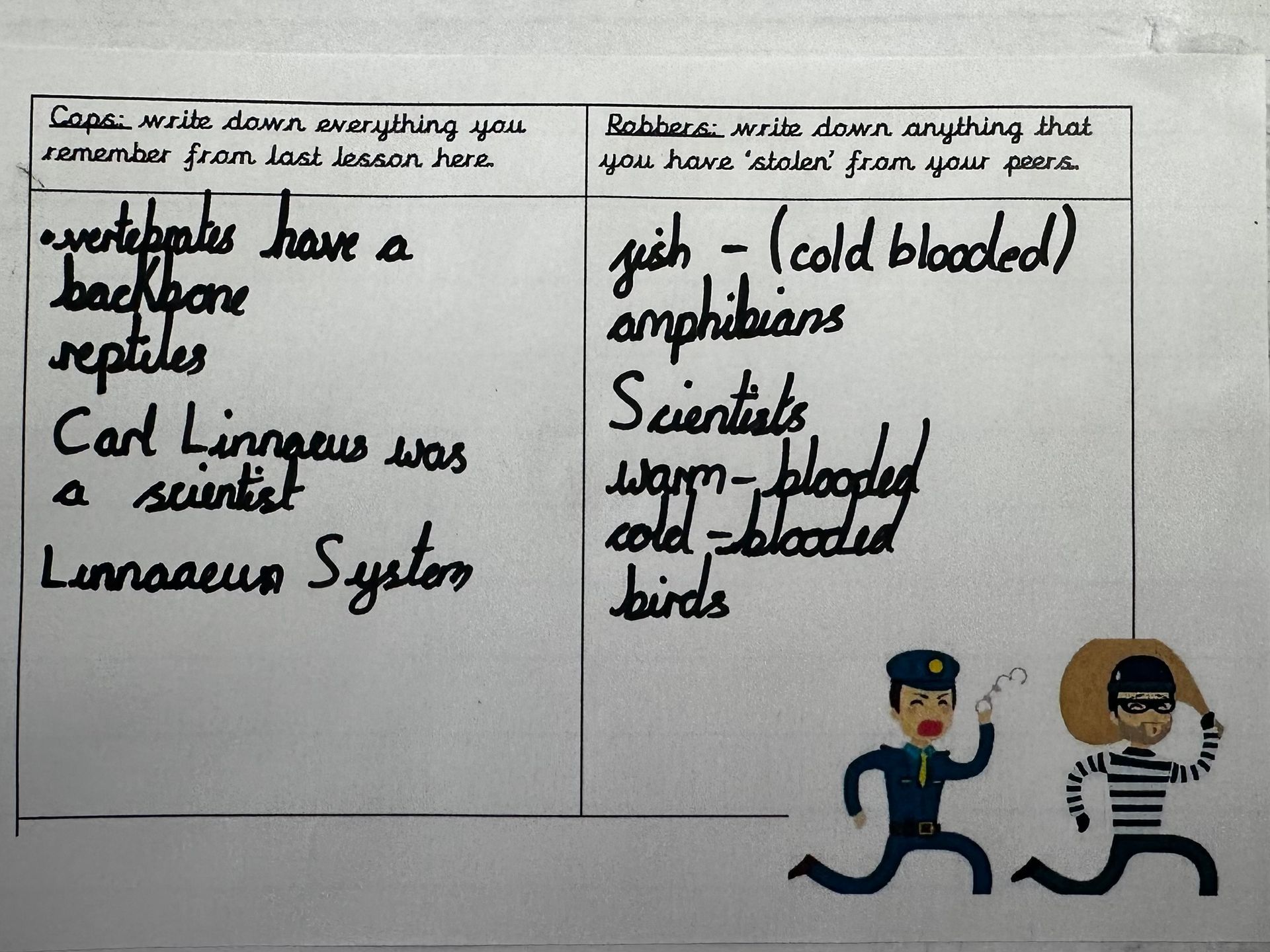
In Science this week, Year 6 learnt about invertebrates as part of our topic on classifying living things.
We started by recapping vertebrates – animals with backbones like mammals, birds, and fish.
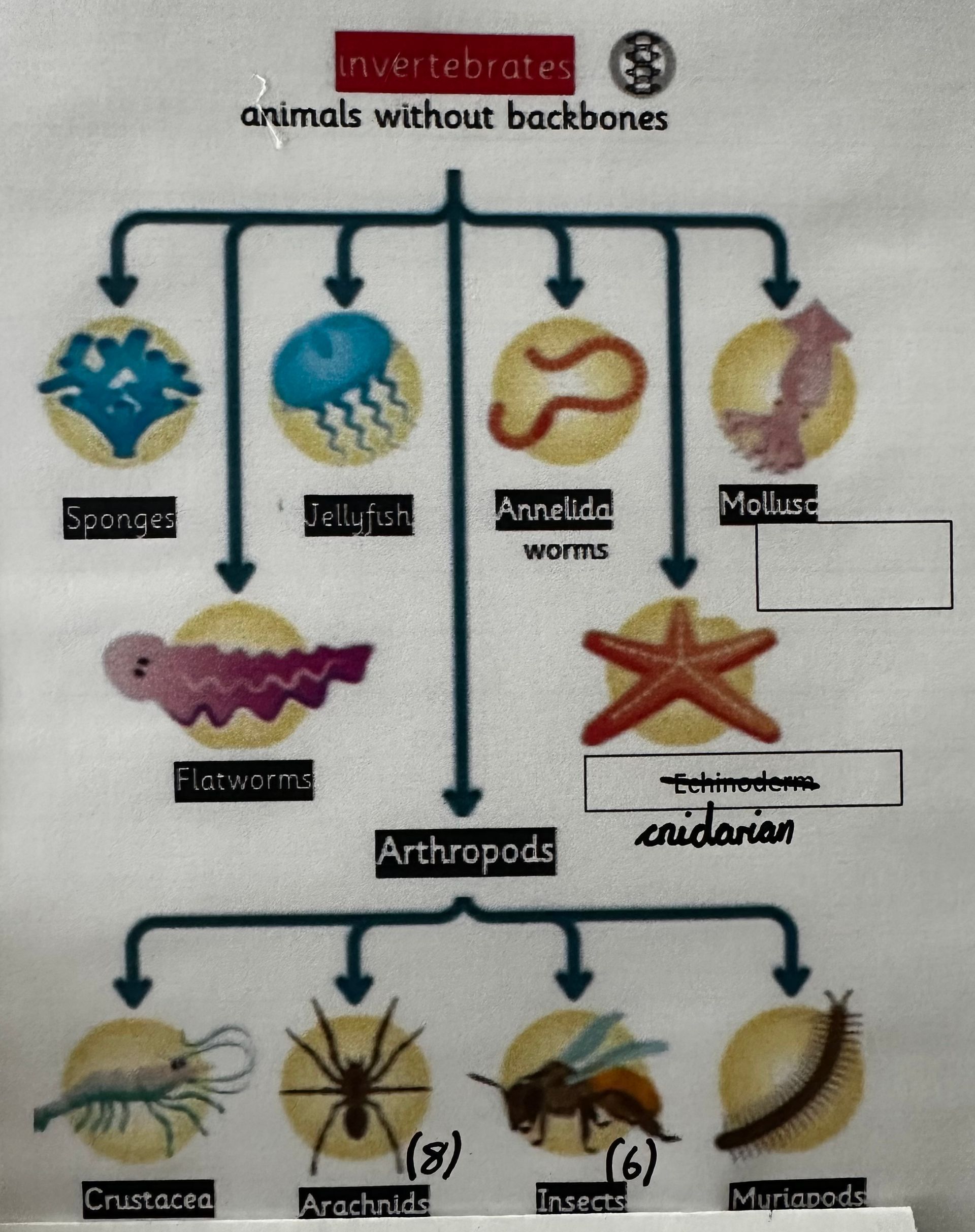
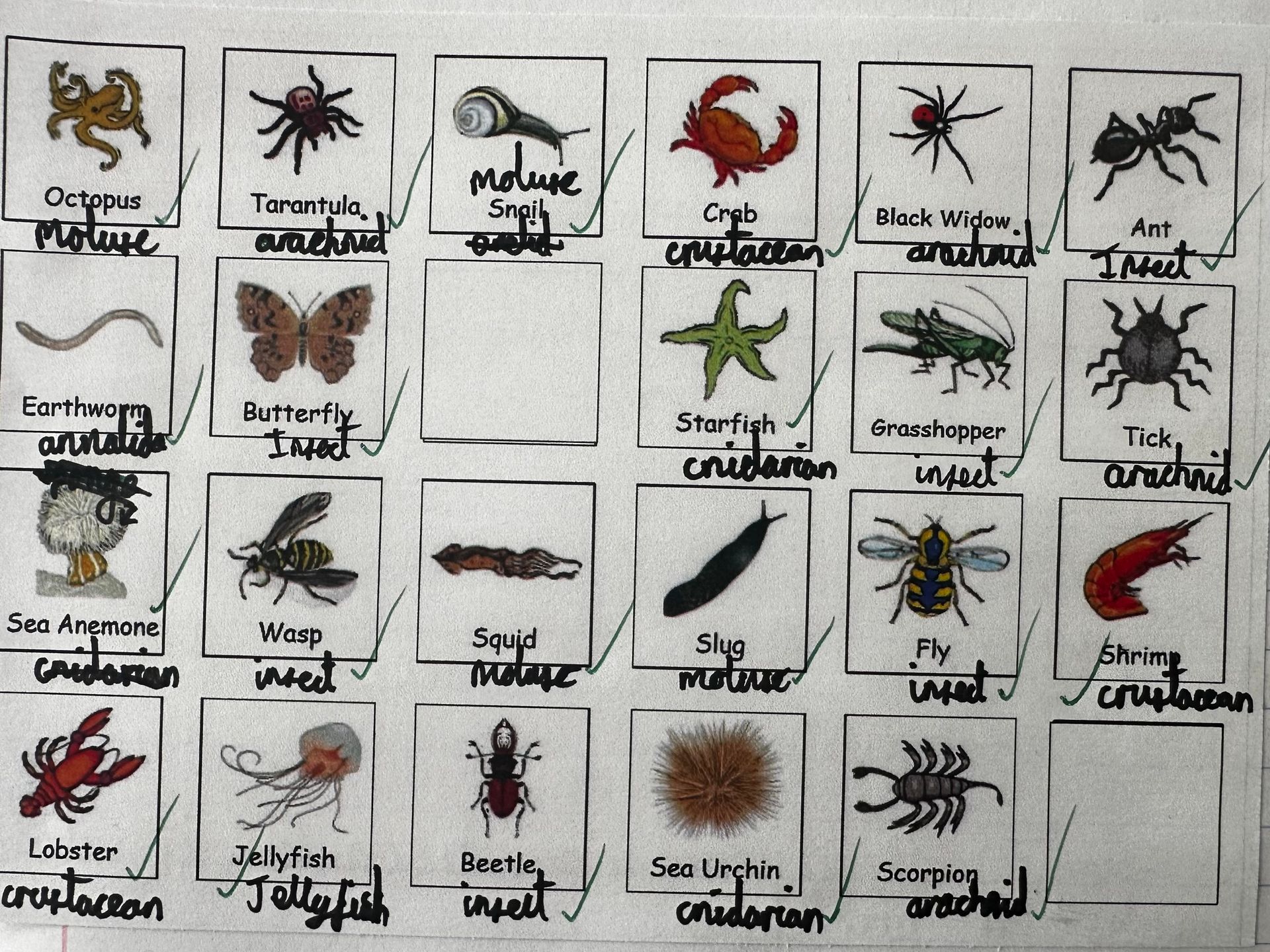
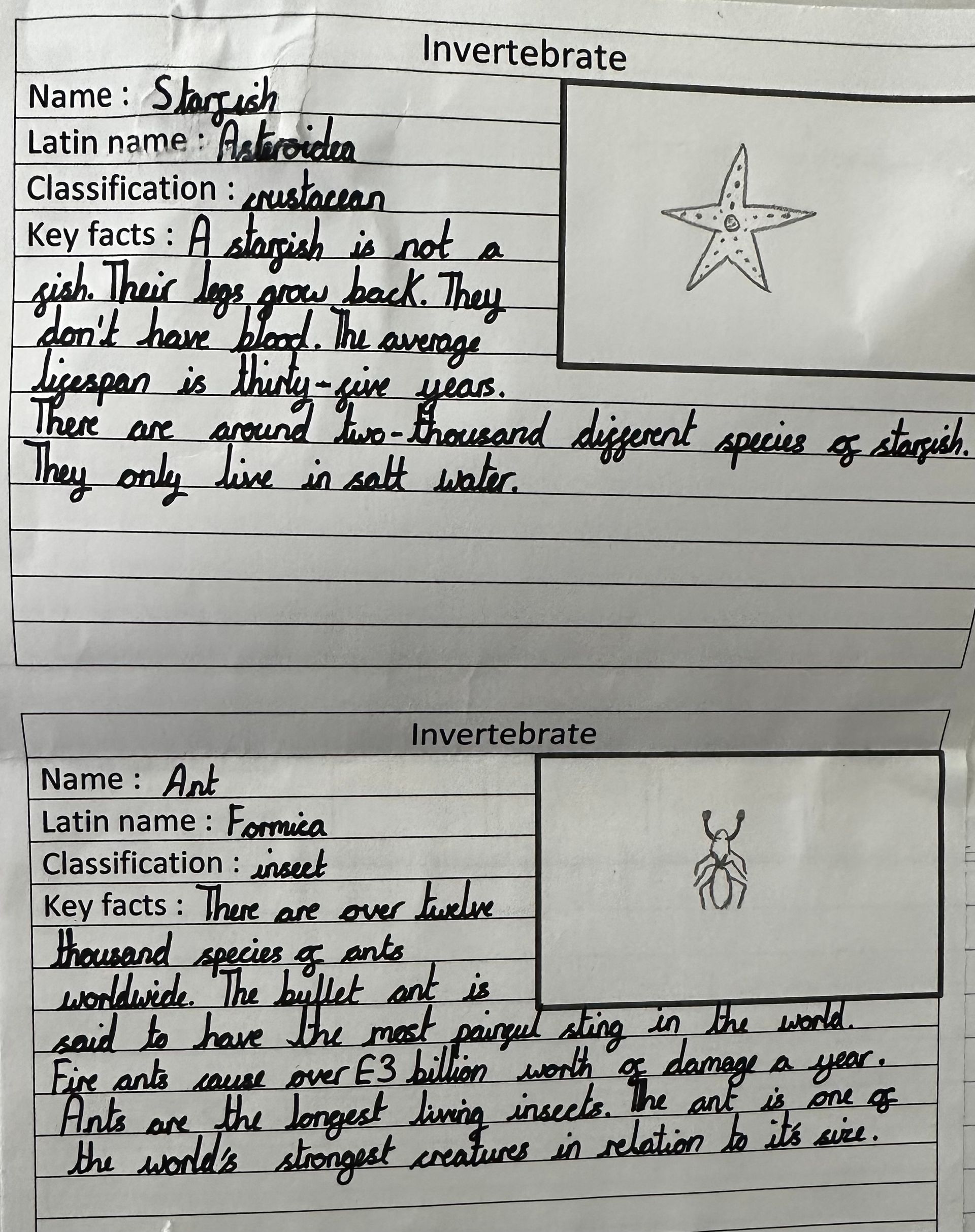
Then we discovered that most animals are actually invertebrates, which means they don’t have a backbone! We were amazed to discover that around 97% of all animal species are invertebrates! We learnt about different types, including insects, arachnids, molluscs, crustaceans, annelids, echinoderms, and cnidarians. We used pictures and classification keys to help us identify different invertebrates. Independently, we also researched two invertebrates of our choice. Some groups looked at bees and butterflies, while others explored jellyfish and octopuses. We found out amazing facts – like how an octopus has three hearts and how bees communicate by dancing!
It was a fun and fascinating lesson, and we can’t wait to celebrate our learning next week in our assessment! — Year 6 Scientists 🧬
Week commencing: 29th September 2025
🧠 Year 6 Latin Lessons: Learning Noun Endings! 🎓
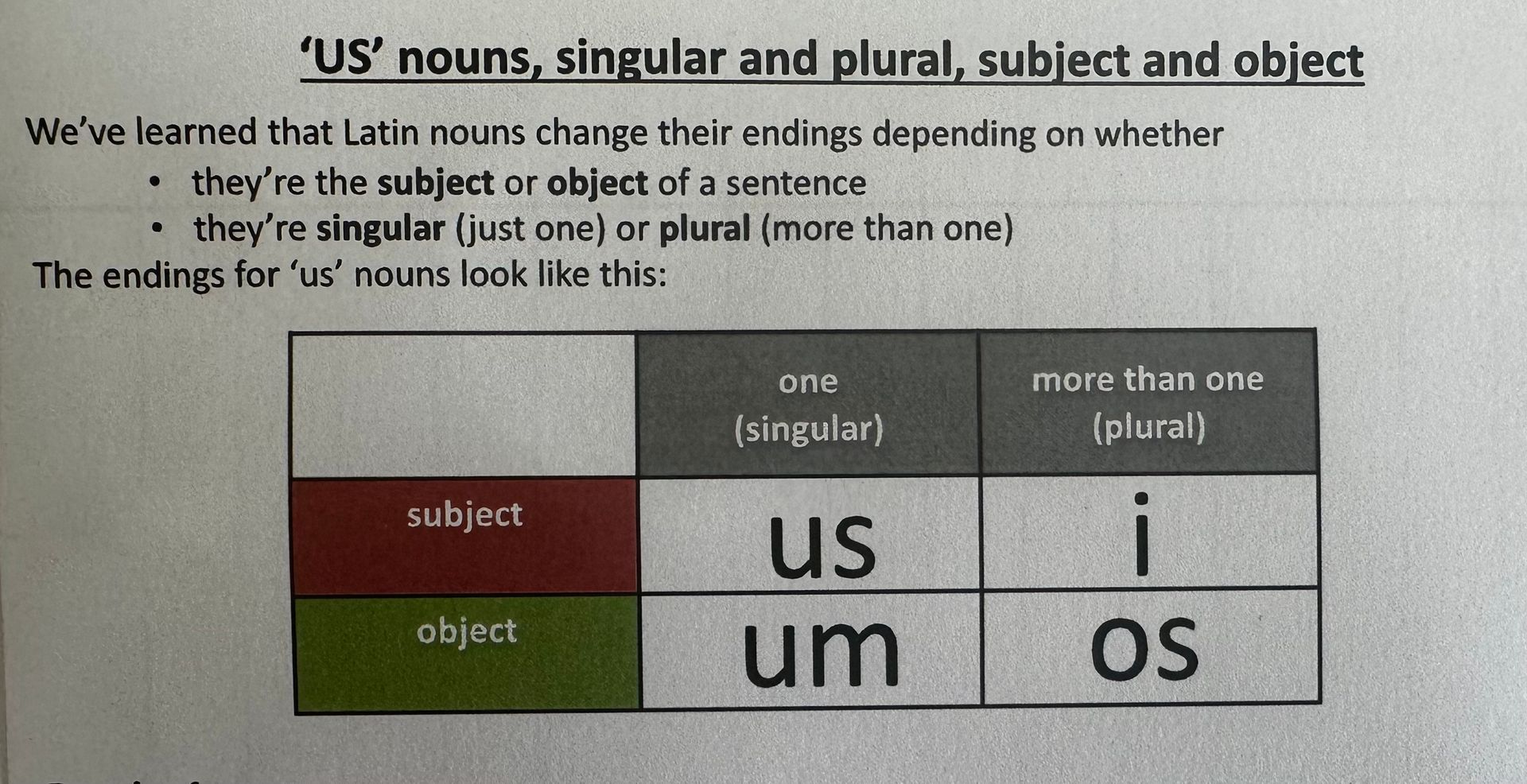
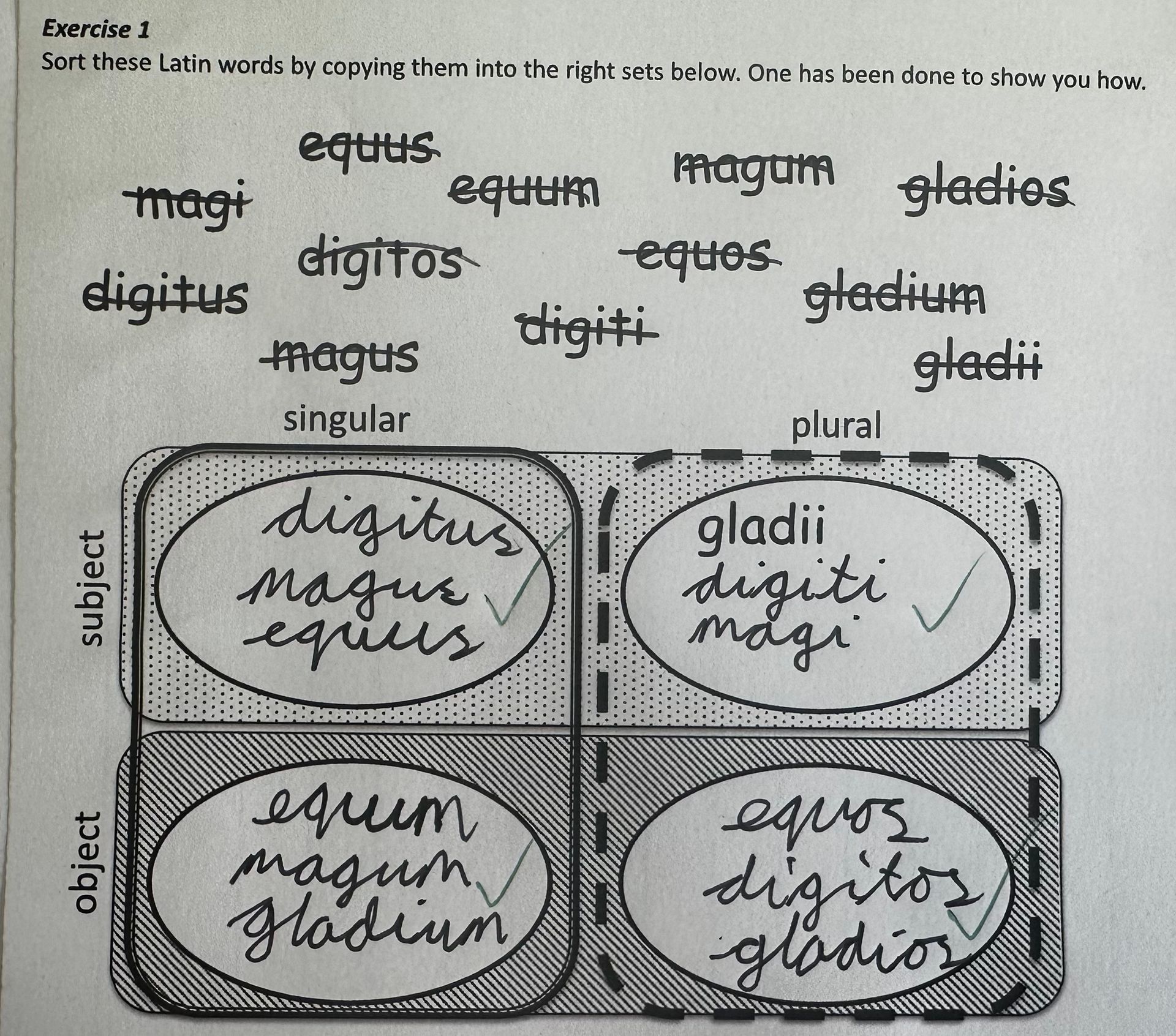
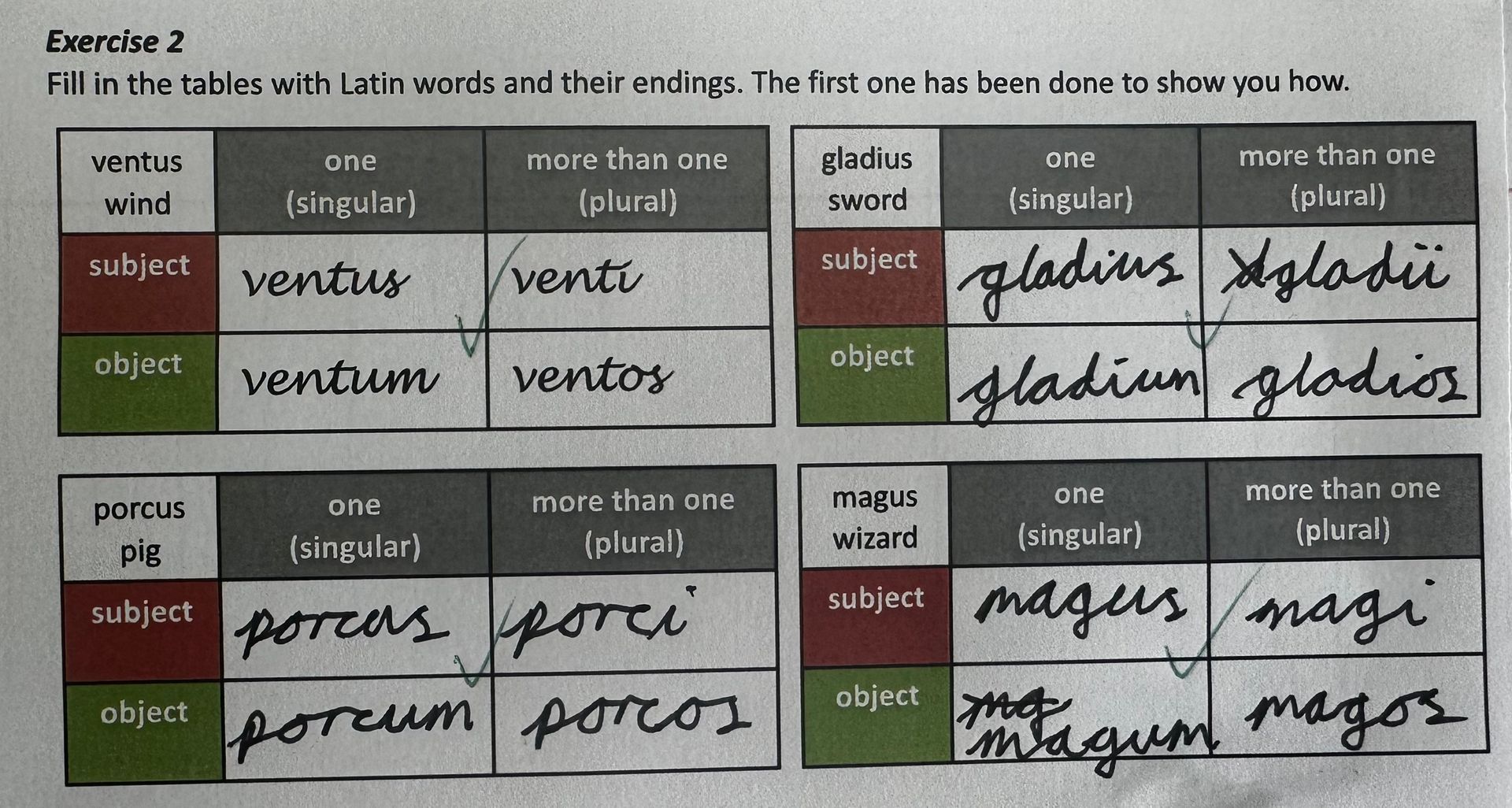
This term, Year 6 have been diving back into the world of Latin! Our focus for this half term is to understand subjects, nouns and objects in Latin.
This week and last week, we’ve learned is that Latin nouns change their endings depending on:
- Whether they’re the subject (doing the action) or object (receiving the action), and
- Whether they’re singular (one) or plural (more than one).
In English, word order tells us who is doing what. But in Latin, it’s the endings that matter!
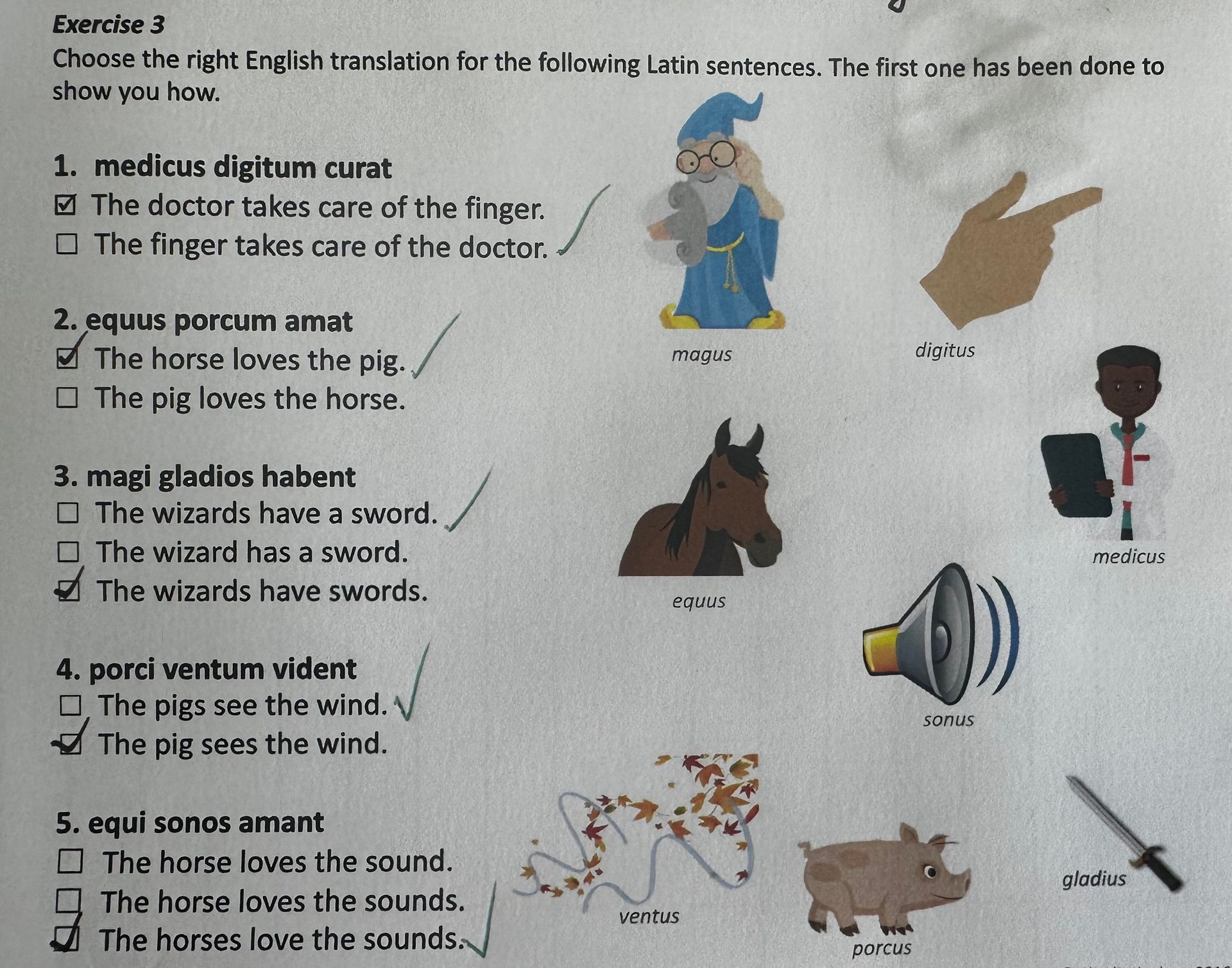
For example:
- Equus magum videt – The horse sees the wizard.
- Magus equum videt – The wizard sees the horse.
See how “equus” becomes “equum” and “magus” becomes “magum” depending on who is doing what?
We’ve been practising with fun games and silly sentences—and it’s helping us understand how languages work, even our own! Next, we’re learning more Latin verbs. Wish us luck—vale! 👋
Week commencing: 22nd September 2025
✍️ Becoming Authors: Inspired by The 1,000 Year Old Boy 📖
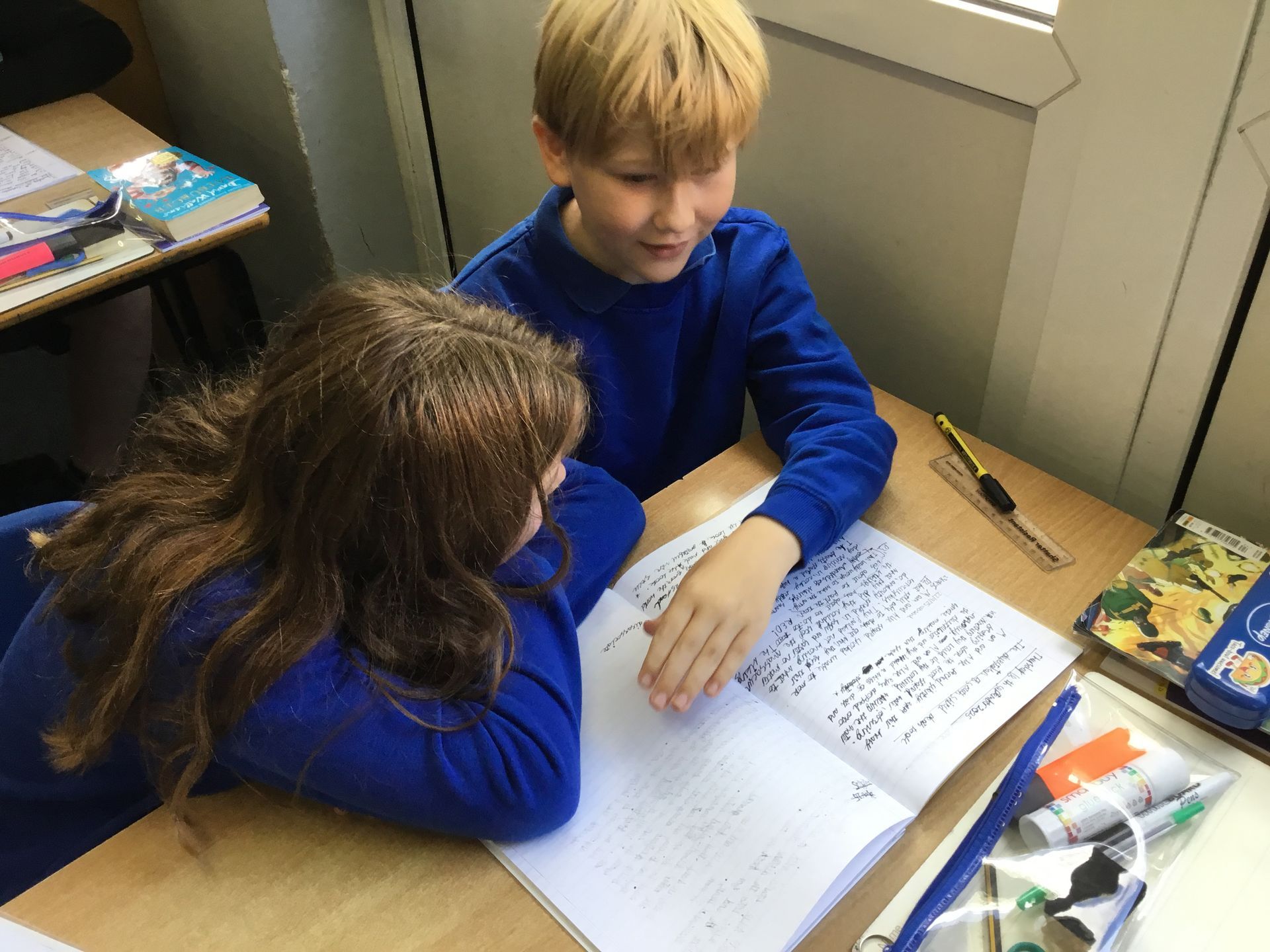
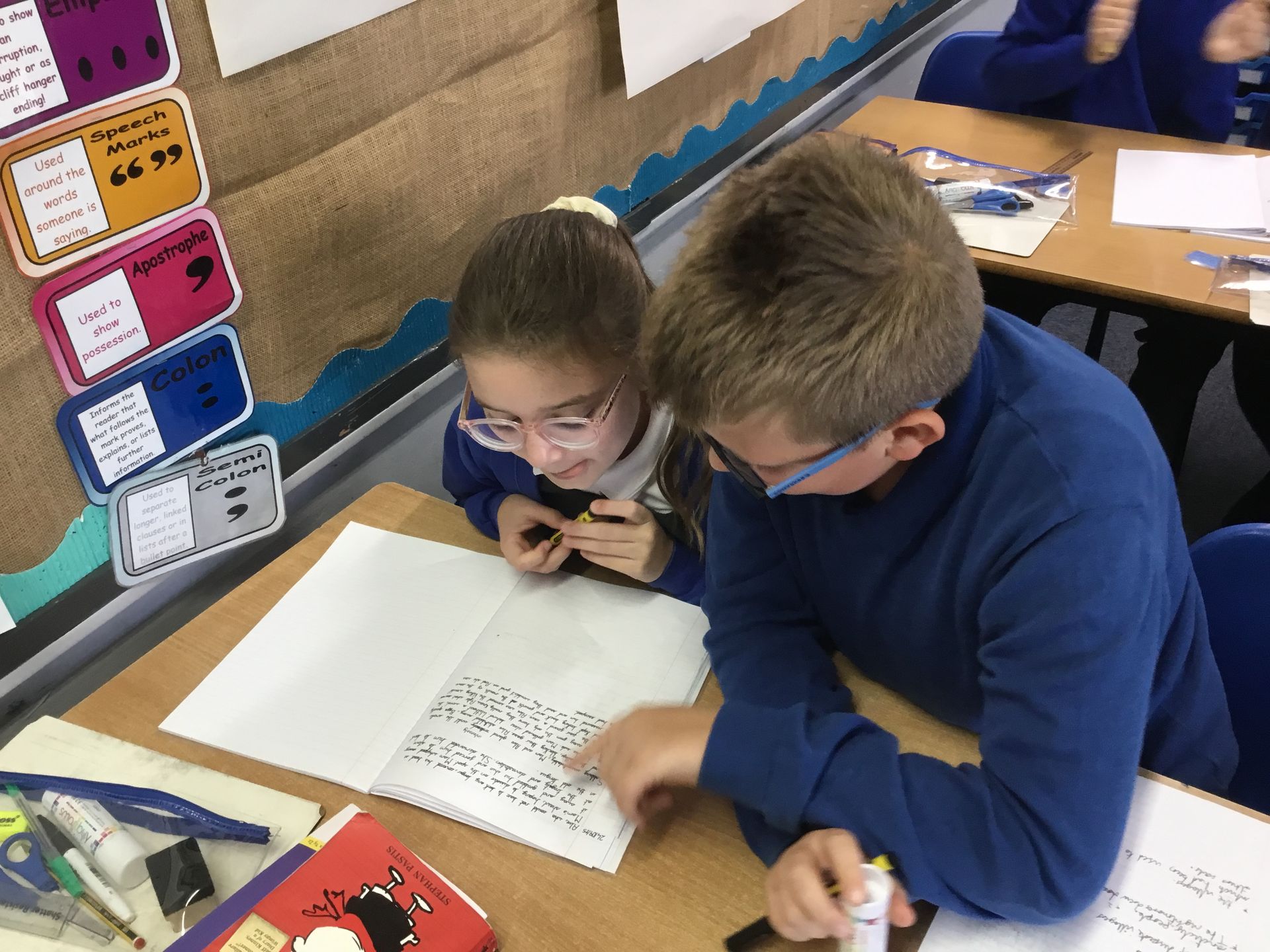
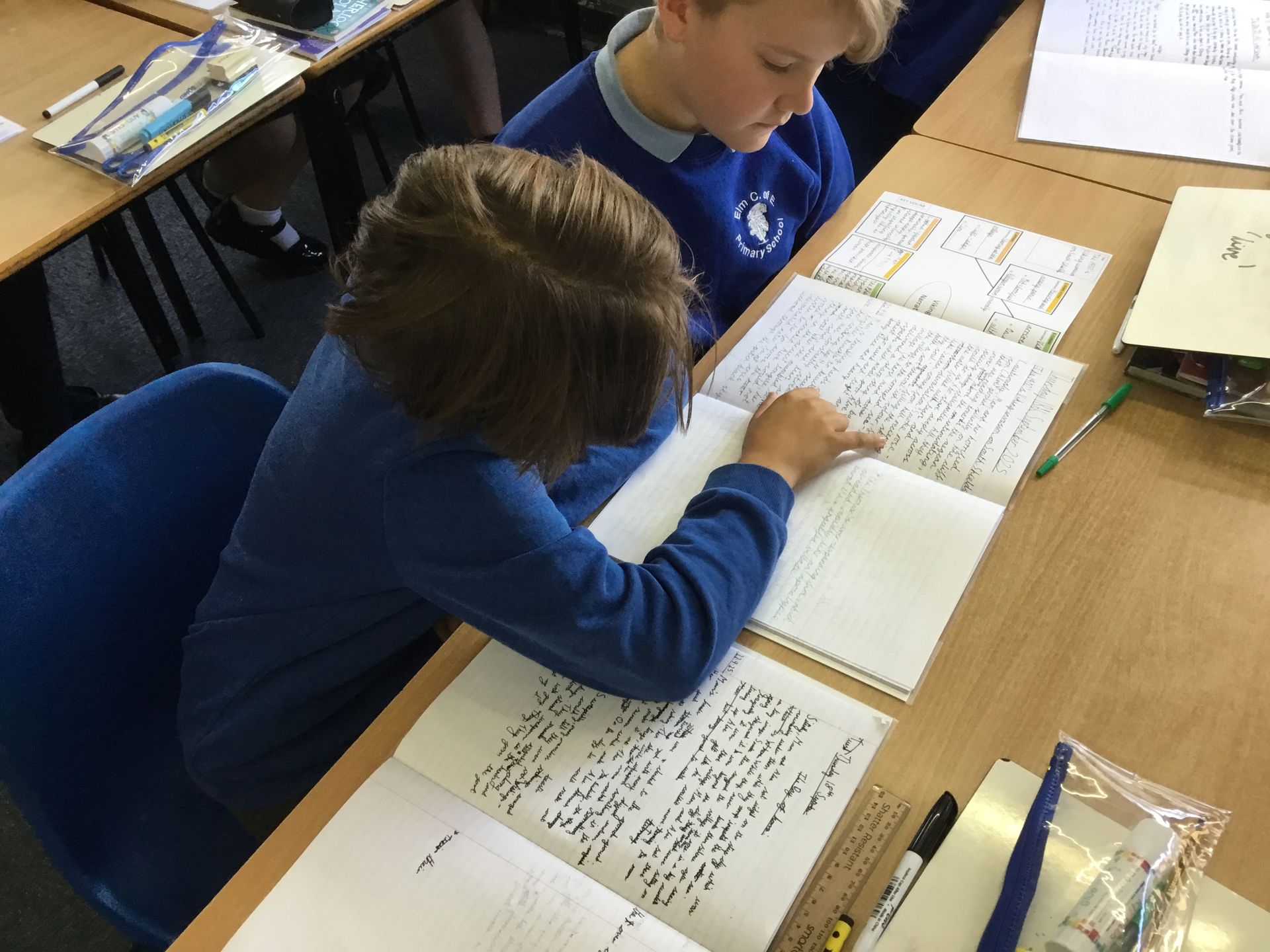
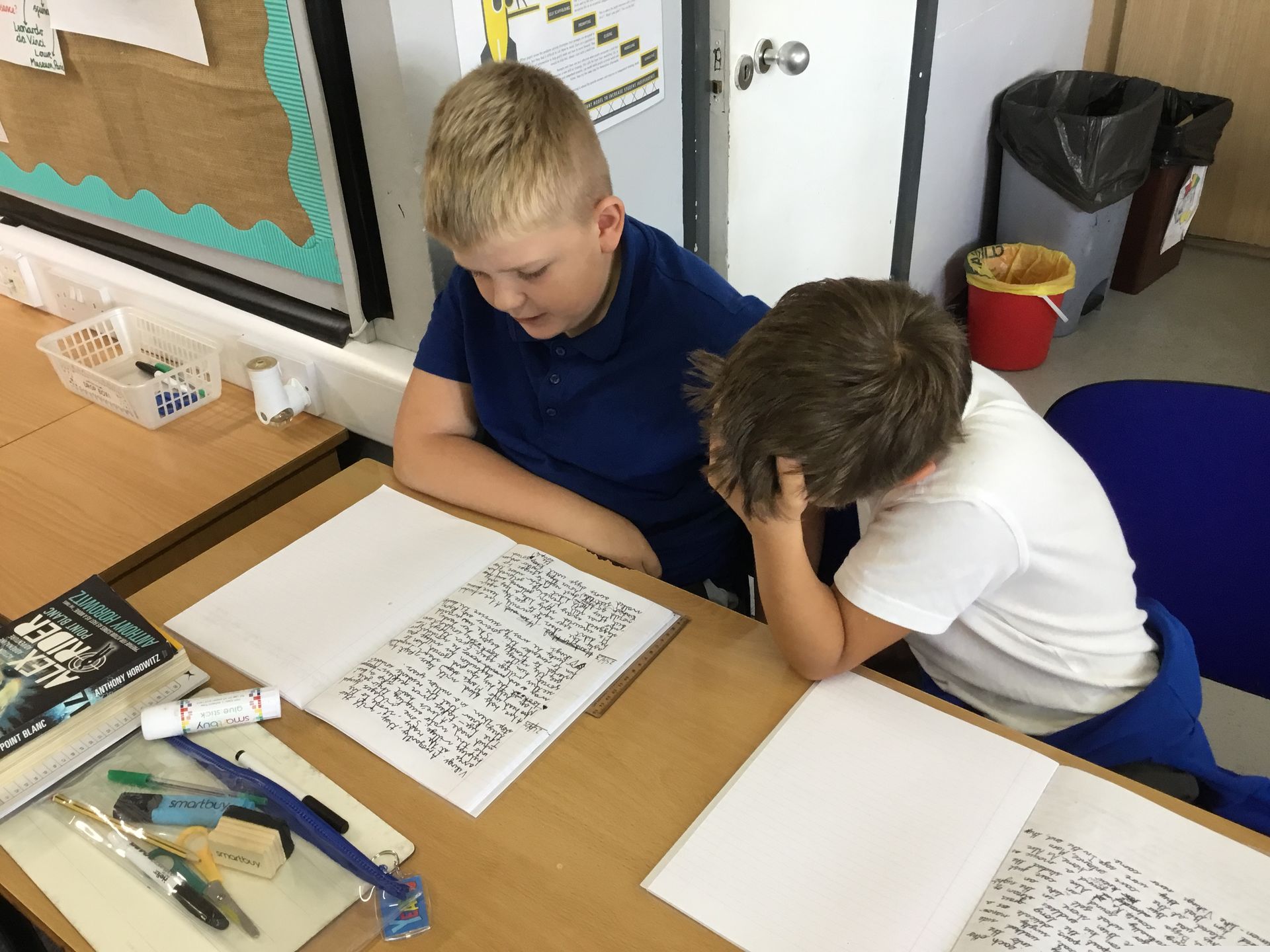
This week, Year 6 have been stepping into the shoes of a thousand-year-old boy! After reading Chapter 1 of The 1,000 Year Old Boy by Ross Welford, we’ve been hard at work crafting our own narrative recounts of the events—bringing the story to life through our writing. To do this, we used a whole toolkit of writing techniques that we had revised from year 5 learning.
Pupils worked hard to not only draft their recounts, but also to edit and improve them in pairs. We read each other’s work, gave thoughtful feedback, and looked for ways to tighten our sentences, choose stronger verbs, or add extra detail to paint a clearer picture for the reader.
The results? Absolutely brilliant.
We’re so proud of the creativity, effort, and collaboration in Year 6 writing this week. These budding authors have shown that with the right tools—and a little inspiration—anything is possible. Keep those pens moving, Year 6! 🖊️📚✨
Week commencing: 15th September 2025
🎨 Exploring the Art of the Italian Renaissance🖌️
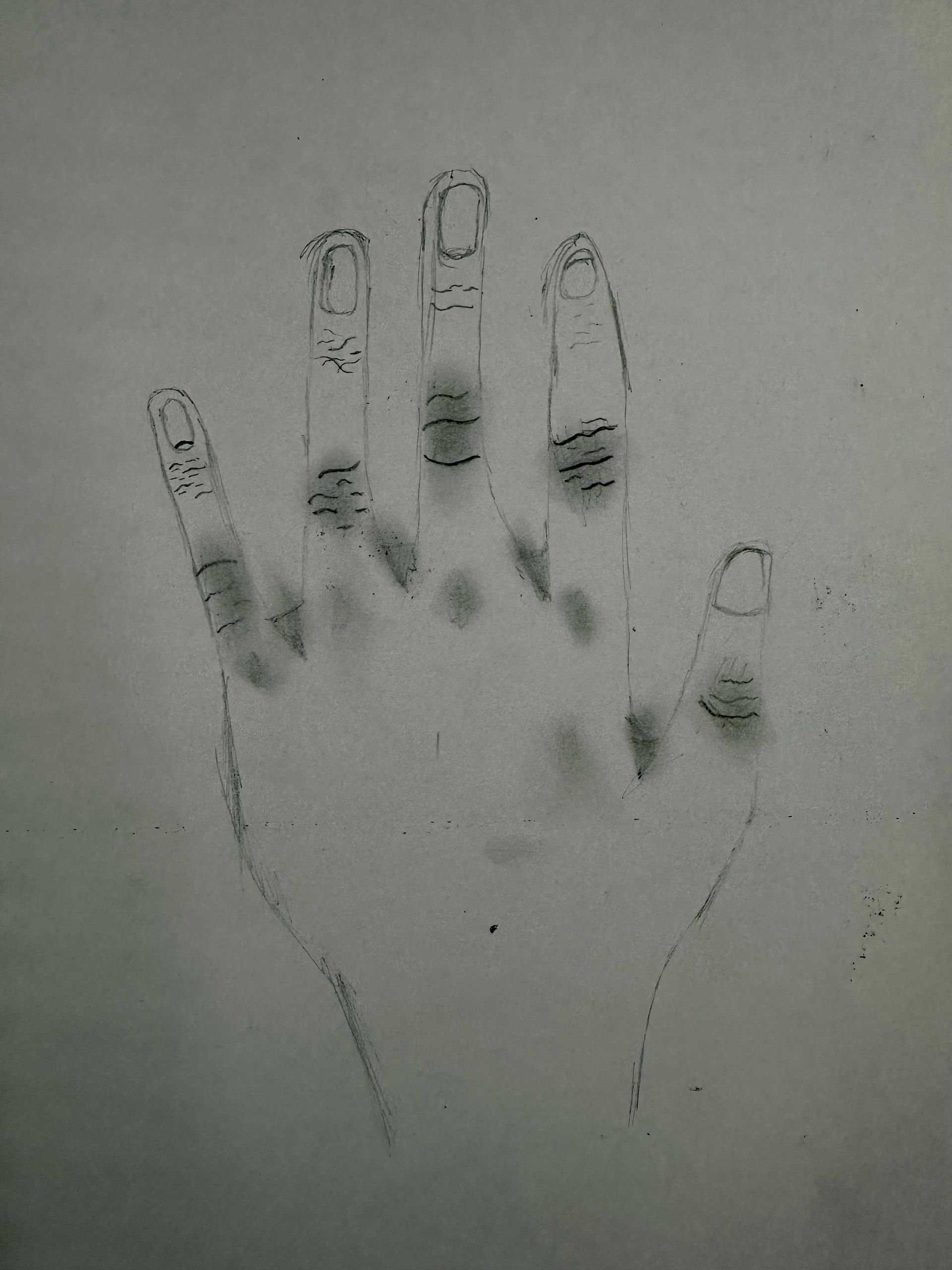
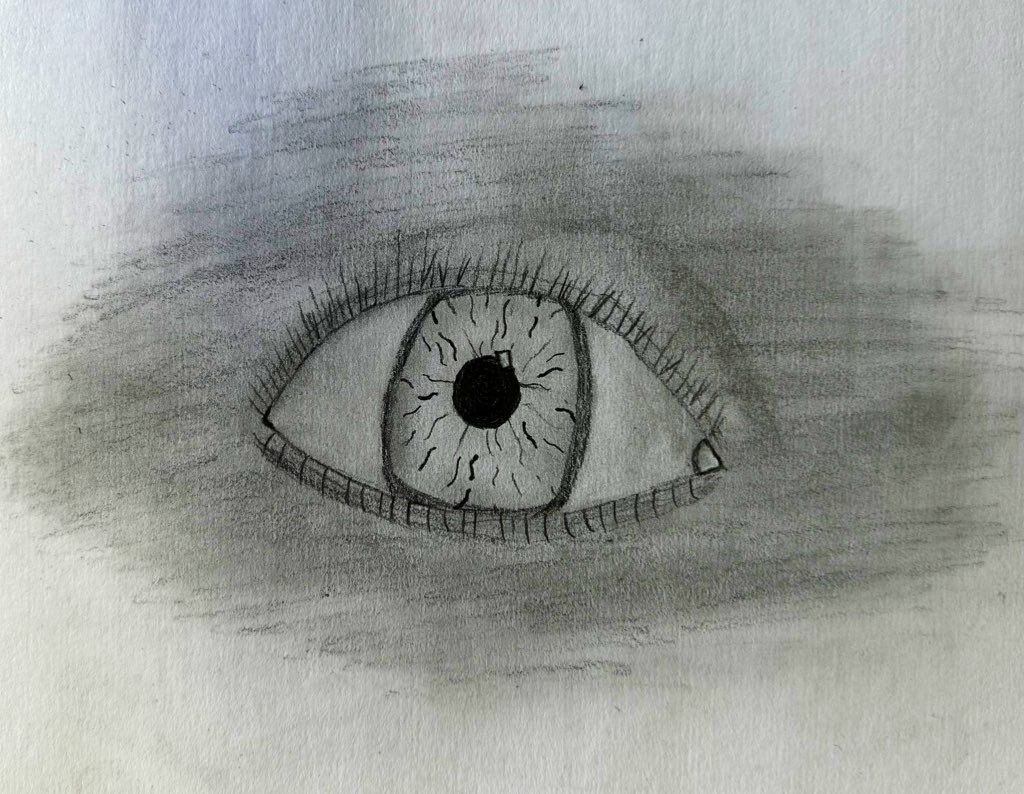
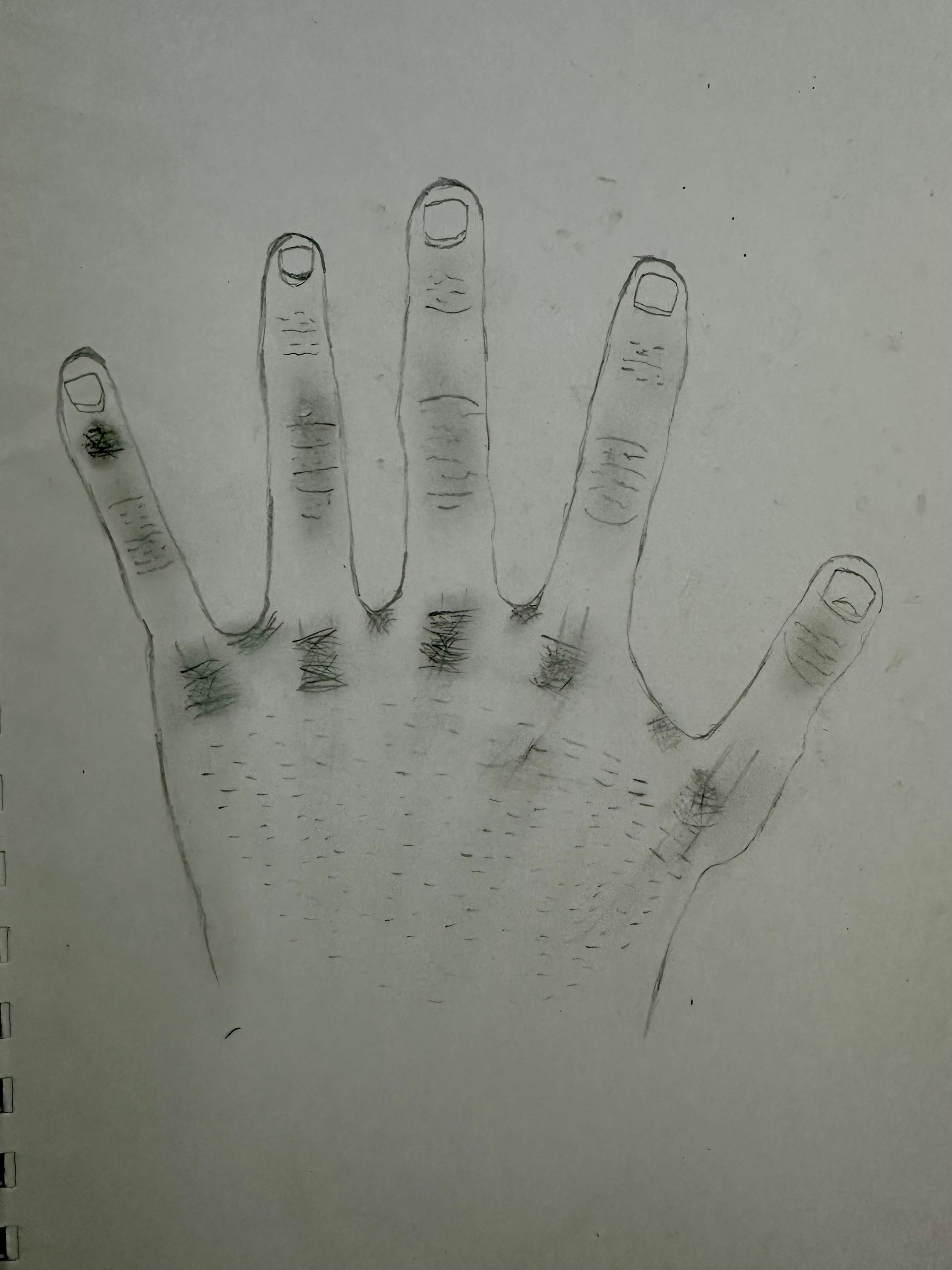
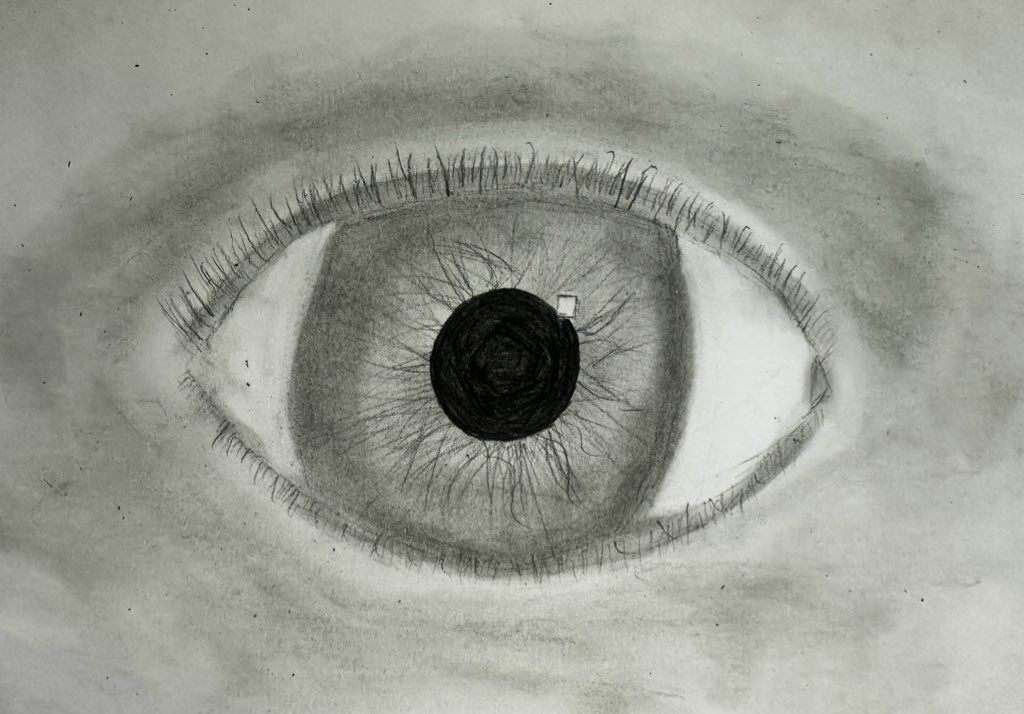
This week, Year 6 have begun to study the incredible art of the Italian Renaissance. We’ve been exploring Leonardo da Vinci's anatomical and optics drawings, and learning how he used detailed sketches to understand the human body and how we see the world. The pupils have been experimenting with sketching hands and eyes, just like Leonardo.
One of the most exciting techniques we’ve learnt is sfumato—the soft blending of tones and edges that Leonardo used to create a lifelike quality in his paintings. Pupils have practised creating smooth transitions in pencil shading, using this to add depth and realism to their sketches.
We can’t wait to develop our drawings even further and try more Renaissance-style artwork later this term! Ben fatto, Year 6—true artists in the making! 🖼️✨
Week commencing: 8th September 2025
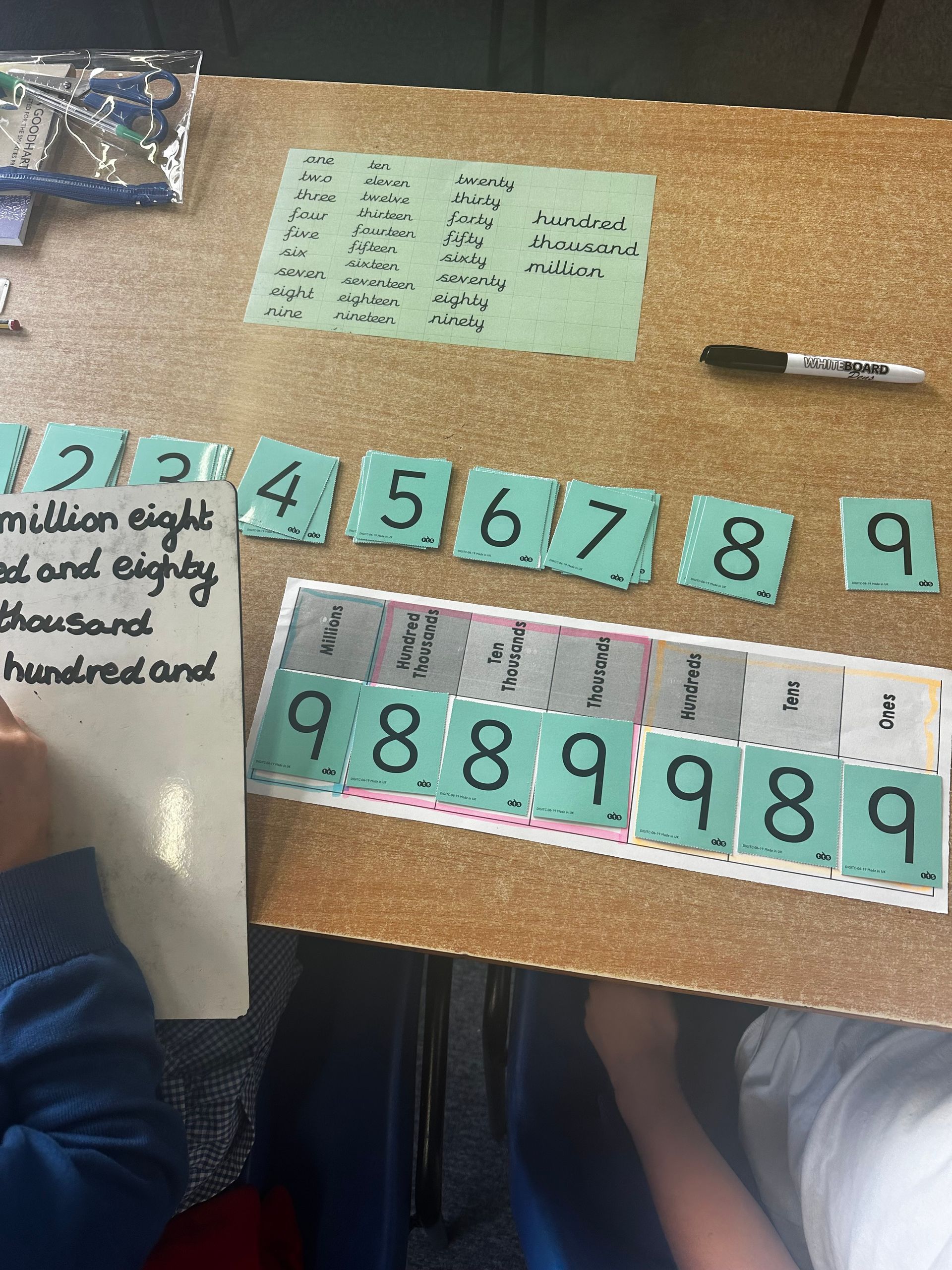
📚 Diving into Place Value with "Can Do Maths"! 🔢
What a fantastic start to the new term it’s been for Year 6! This week, our mathematicians have been diving deep into place value—and doing it with enthusiasm, energy, and a brand new maths programme called Can Do Maths.
We’ve explored numbers up to 10 million, understood how digits change in value depending on their position, and practised rounding, comparing, and ordering large numbers. The best part? The confidence that’s growing each day as pupils realise: yes, we CAN do maths!
We’re so proud of the resilience and teamwork shown this week. Keep it up, Year 6—this is just the beginning of a brilliant year in maths!

Week commencing: 1st September 2025
👋 Welcome to Year 6! 🎉
A big warm welcome to all our new Year 6 pupils—and their families! We’re so excited to begin our final (and best!) year of primary school together.
Year 6 is a special year full of new challenges, exciting topics, and plenty of opportunities to shine. We’ll be diving into fascinating subjects like World War II, evolution, and even learning some Latin! We’ll also be working hard to build our confidence in maths, reading, and writing—getting ready for secondary school and beyond. But it’s not all hard work! This year includes fun trips, a residential adventure, roles of responsibility around the school, and of course, the Year 6 production at the end of the year!
We can’t wait to see everything this amazing group will achieve. Let’s make it a year to remember! 💫
Curriculum visits and enrichment activities:
Coming Soon
Coming Soon
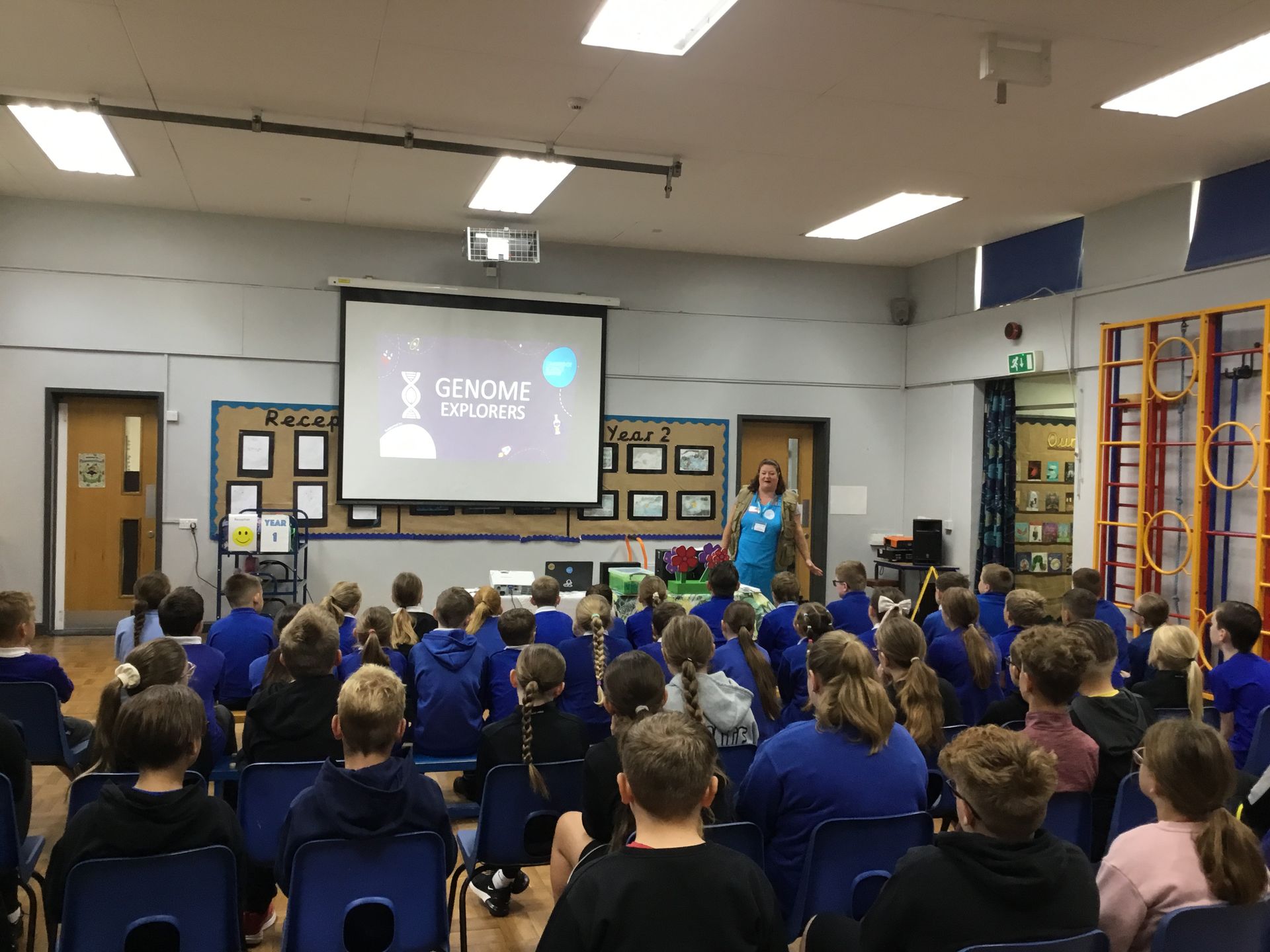
DNA Talk
DEMAT Football